




The High Tide of French Cyber-Insecurity: Why Stability is a Warning Sign
The Illusion of the Static Threat
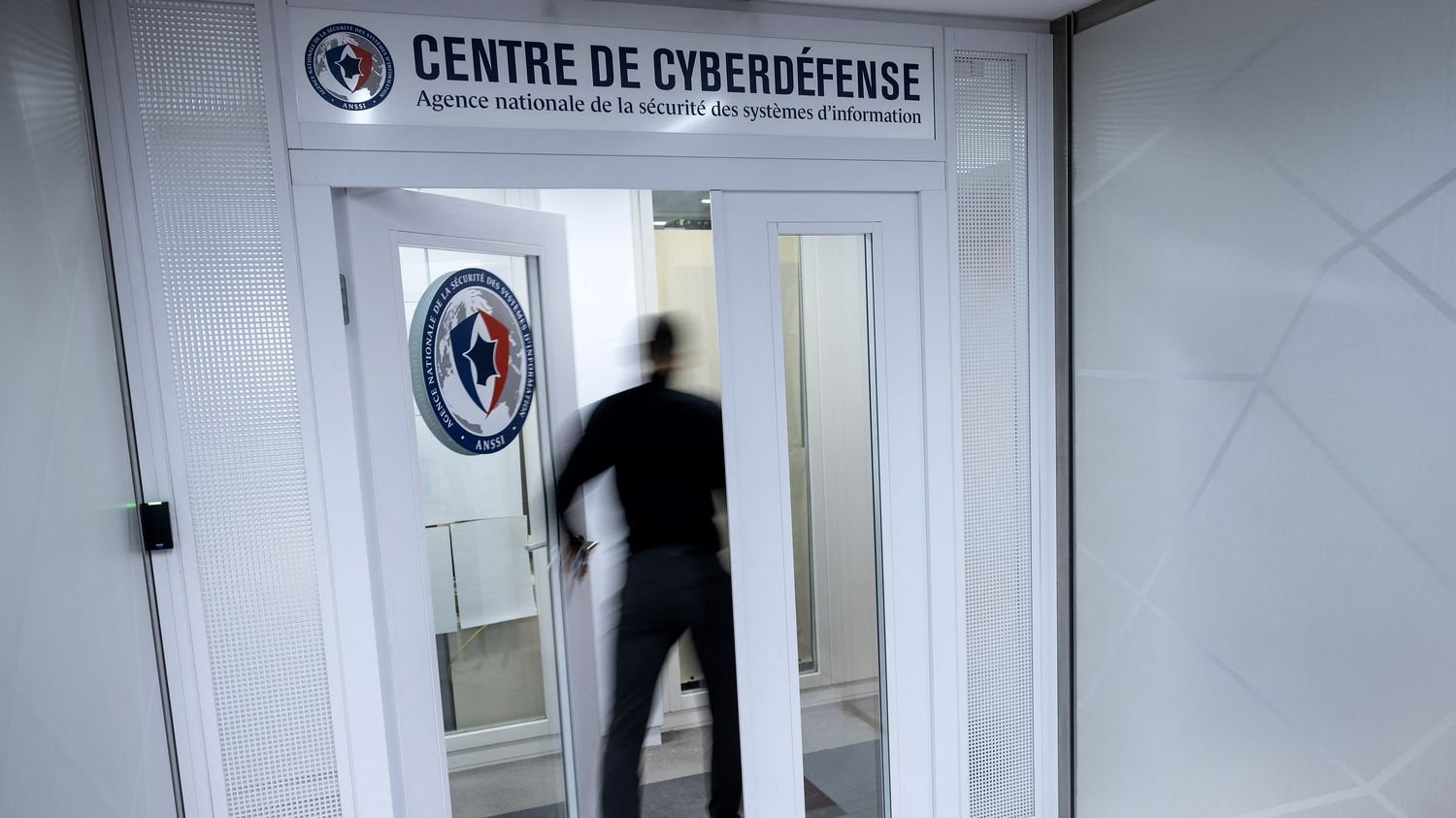
The latest briefing from the National Cybersecurity Agency of France (ANSSI) attempts to balance alarmism with a curious brand of reassurance. While the public expects a sudden, catastrophic digital collapse, the reality presented by Director General Vincent Strubel is one of a persistent, exhausting baseline. The narrative suggests we are not facing a tidal wave, but rather a permanent high tide that refuses to recede.
By framing the current environment as stable, the agency risks masking a shift in the quality and intent of these intrusions. Stability in numbers does not equate to a ceasefire; it indicates that the attackers have found an efficient, sustainable rhythm. They are no longer experimenting with brute force but are instead settling into the infrastructure of French institutions like unwanted tenants who have figured out how to keep the lights on without being evicted.
"It is not only states that attack us, but there are also states that attack us," stated Vincent Strubel, highlighting the blurred lines between geopolitical sabotage and digital extortion.
This admission points to a uncomfortable overlap in the threat registry. When a state actor uses the same tactics as a ransomware gang, or when a criminal group acts as a proxy for an intelligence agency, the traditional playbooks for defense become obsolete. The agency's report suggests a world where the identity of the intruder matters less than the persistence of the breach, yet this ambiguity serves the attackers more than the defenders.
The Pivot from Profit to Presence
For years, the primary motivation for cyberattacks was an immediate financial payout through encrypted files and ransom demands. However, the 2025 data suggests a more subtle trend: strategic positioning. If the number of attacks is holding steady while the sophistication of the targets increases, we are seeing a move toward long-term espionage rather than quick smashes and grabs.
The focus has shifted toward the supply chain and critical infrastructure providers. These entities are not always the end goal; they are the unlocked windows into more sensitive government networks. ANSSI's observation of a "perpetual high tide" implies that the effort required to keep these attackers at bay is draining resources faster than they can be replenished. It is a war of attrition where the defender must be right every time, but the state-sponsored actor only needs to be lucky once.
Small and medium-sized enterprises (SMEs) are frequently the ones left underwater in this metaphor. While large aerospace firms or ministries have the budget for 24/7 monitoring, the subcontractors they rely on are often operating with minimal protection. If the statistics are stable, it may simply be because the attackers have reached their current capacity for managing stolen data, not because the defenses have become impenetrable.
The Infrastructure of Permanent Vulnerability
The French government has funneled significant capital into digital sovereignty, yet the reliance on foreign-owned cloud services and legacy hardware remains a glaring contradiction. ANSSI's report carefully avoids criticizing the slow pace of hardware modernization across the public sector. Instead, it focuses on the resilience of the response, which is a polite way of saying we have become very good at cleaning up after we have been compromised.
Resource exhaustion is the unmentioned protagonist in this story. Every time a hospital or a local municipality is hit, it diverts specialized personnel from proactive threat hunting to reactive recovery. If the tide stays high for another three years, the burnout rate among cybersecurity professionals will become a national security risk in its own right. The agency's calm demeanor may be less about the efficacy of the shields and more about preventing a mass exodus of talent from an increasingly stressful field.
The true metric of success for French cybersecurity in the coming year will not be the total count of attempted breaches. Instead, the industry should look at the dwell time—the number of days an intruder spends inside a network before being detected. If that number does not shrink significantly, the high tide will eventually erode the foundations of the digital economy, regardless of how stable the surface appears to be.
Social Media Planner — LinkedIn, X, Instagram, TikTok, YouTube