




The High Cost of Shadow Diplomacy: Lessons from the Bourgi Disclosures
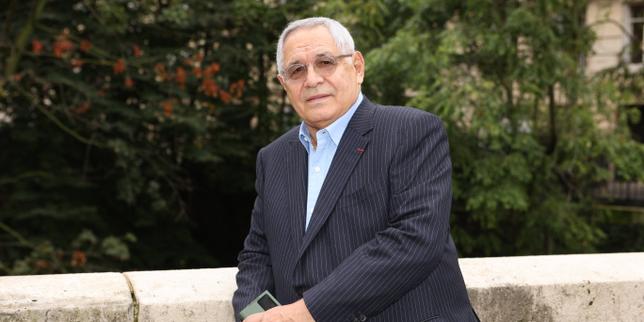
Why should builders care about shadow networks?
Trust is the hardest currency to earn and the easiest to burn. In the world of international relations and high-stakes business, the story of Robert Bourgi serves as a masterclass in how informal power structures eventually collapse. If you are building a company or managing a team, you need to understand that back-channel deals and undocumented favors create a technical debt for your reputation. Eventually, the bill comes due.
Bourgi operated for decades as a fixer between the French presidency and various African heads of state. This was not a formal role governed by standard operating procedures or public oversight. Instead, it relied on personal loyalty, physical cash, and expensive gifts. For a developer or a founder, this is the equivalent of running a production environment with no logs and no audit trail. It works until the first major system failure occurs.
How do informal systems fail?
The recent revelations regarding Dominique de Villepin and the gift of high-value statuettes highlight a fundamental flaw in shadow systems: they lack version control. When relationships sour or political climates shift, there is no documentation to protect the participants. Bourgi's history with the media, dating back to 1990, shows a consistent pattern where money and controversy are inextricably linked. These systems fail because they rely on the silence of individuals who may later find it more profitable to speak.
- Lack of accountability: Without a formal framework, every transaction becomes a liability.
- Dependency on intermediaries: Relying on a single 'fixer' creates a massive single point of failure for your organization.
- Reputational contagion: When one part of the network is exposed, everyone connected to it is compromised.
What are the risks of undocumented influence?
In business, we often talk about 'networking' as a positive force. However, the Bourgi case demonstrates the difference between professional networking and the creation of opaque influence loops. When gifts like expensive art or cash are used to bypass official channels, the objective isn't efficiency; it is the subversion of the process. This creates a culture of 'poisoned gifts' where every favor granted carries an invisible price tag that can be cashed in years later.
For those in leadership, the lesson is clear: transparency is a feature, not a bug. Attempts to move faster by cutting corners in ethics or compliance usually result in a catastrophic loss of velocity later on. Bourgi's shift from a trusted advisor to a whistleblower exposing his former colleagues shows that loyalty in shadow networks is temporary and conditional.
How can you build better systems of trust?
To avoid the traps of shadow diplomacy in your own professional life, you must prioritize structural integrity over short-term access. This means establishing clear boundaries for partnerships and ensuring that all significant agreements are documented and verifiable.
- Audit your associations: Regularly evaluate if your partners operate with the same level of transparency you require for your own team.
- Standardize gift policies: Implement strict rules regarding what can be accepted from clients or partners to prevent the 'poisoned gift' dynamic.
- Build on merit, not favors: Focus on creating value through product and service quality rather than relying on back-room deals or preferential treatment.
Watch for the erosion of formal processes in your industry. When you see competitors relying heavily on 'who they know' rather than 'what they build,' it is often a sign of a fragile ecosystem that is one investigation away from collapse.

AI Video Creator — Veo 3, Sora, Kling, Runway