The Summons of an Arch-Architect
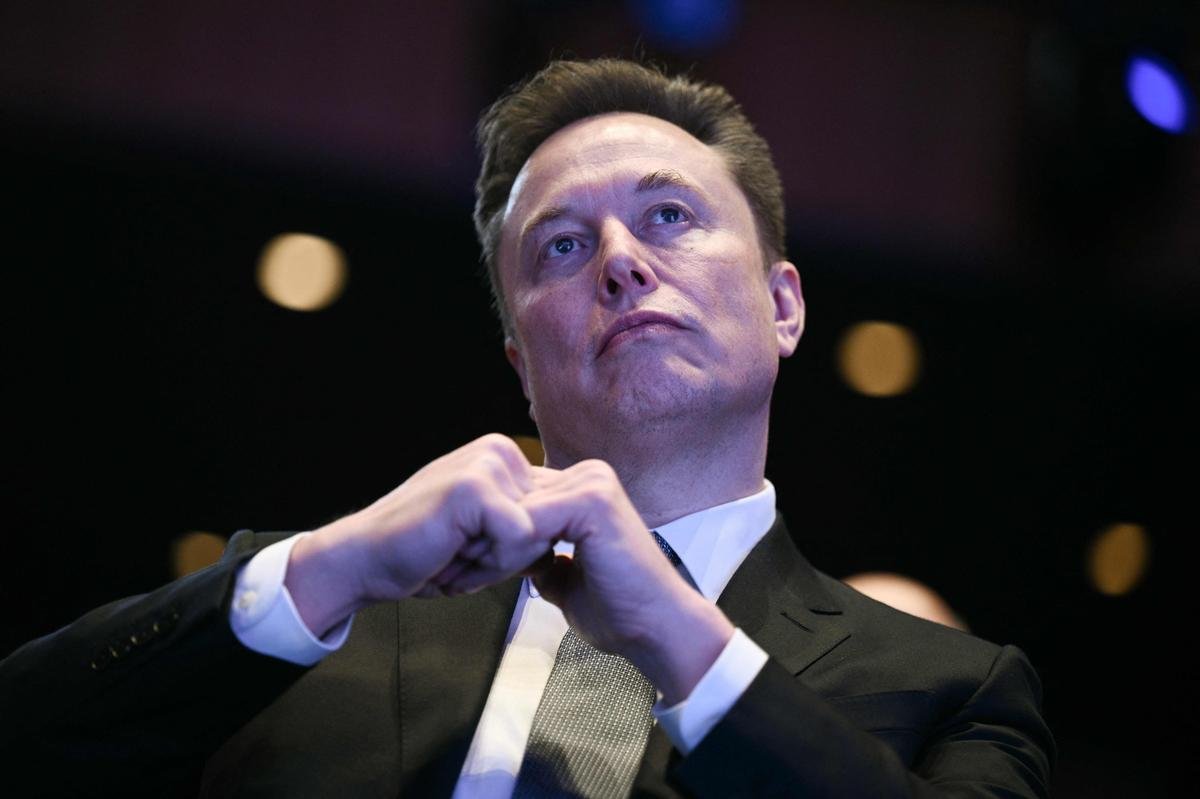
In a sun-drenched office overlooking the Seine, a clerk prepares a file that bears the weight of a dozen different anxieties. The name on the folder is synonymous with rockets and electric dreams, but here, it is merely a subject of inquiry. Elon Musk has been called to answer to the French judiciary, not as a conquering hero of industry, but as a witness to the fractures within his own digital architecture.
For years, the platform known as X existed as a sort of floating city, tethered to the laws of physics but largely untroubled by the laws of nations. Now, the French justice system seeks to pull that city back to earth. The probe into cybercriminal activity on the site suggests a growing impatience with the idea that a private square can exist without public accountability.
Musk’s arrival for a voluntary hearing represents a rare moment of friction between the velocity of a startup and the deliberate, often grinding pace of a European court. It’s a collision of tempos, one observer noted, watching the quiet preparations in Paris. The magistrate’s office is silent, save for the rustle of papers that claim the platform has become a sanctuary for voices that should have been muffled by law.
The Weight of the Digital Square
The investigation centers on the dark corners of the feed—the places where the promise of unbridled speech curdles into something more sinister. French authorities are looking into how the platform handles, or fails to handle, content involving organized crime and the exploitation of minors. It is a grim inventory of the internet’s basement, far removed from the high-minded talk of space colonies and neural links.
As one legal scholar put it, 'We are no longer debating the philosophy of speech; we are examining the engineering of negligence.'
This shift from abstract debate to criminal inquiry marks a significant change in how Europe views the American tech giant. There is a sense that the grace period afforded to the pioneers of the web has expired. The French state is asserting that if you build the stadium, you are responsible for the stampede, regardless of who bought the tickets.
Inside the legal chambers, the questions will likely focus on the mechanics of moderation. Musk has frequently championed a hands-off approach, stripping away the layers of human oversight that once governed the site. To the French investigators, these missing layers look less like freedom and more like a void where the rule of law should be.
The Architecture of Responsibility
Tech founders often treat their creations as neutral tools, as inanimate as a hammer or a wrench. But a social network is more like an ecosystem—it breathes, it reacts, and it can become toxic if the balance is ignored. The summons in Paris suggests that the era of the neutral tool is over; everything built with code is now seen as a political and social choice.
The tension here is not just about a single billionaire or a single app. It is about whether a person can own a space where millions of others live their public lives without being held to the same standards as a landlord or a mayor. The French legal system is testing the limits of this private sovereignty, probing for the points where a CEO’s ideology ends and a citizen’s safety begins.
Developers and marketers often speak of friction as a flaw to be removed from a product. Yet, the judiciary exists precisely to provide friction—to slow down the rapid and ensure the just. This appointment in Paris is the ultimate friction, a pause button hit on a man who has built a career by never slowing down.
As the day of the hearing approaches, the world watches to see if the innovator will adapt to the magistrate or if the law will find itself outpaced by the algorithm. There is a quiet gravity in the air of the Palais de Justice. It is the sound of a society trying to remember how to govern a world that has moved almost entirely behind a screen. In the end, we are left wondering if the digital structures we inhabit can ever truly be governed by the people who live within them, or if we are all just guests in a house where the owner has lost the keys.