




The Glass Hallway: How Architectural Logic Failures Erode Digital Sovereignty
The Persistence of Mathematical Oversight
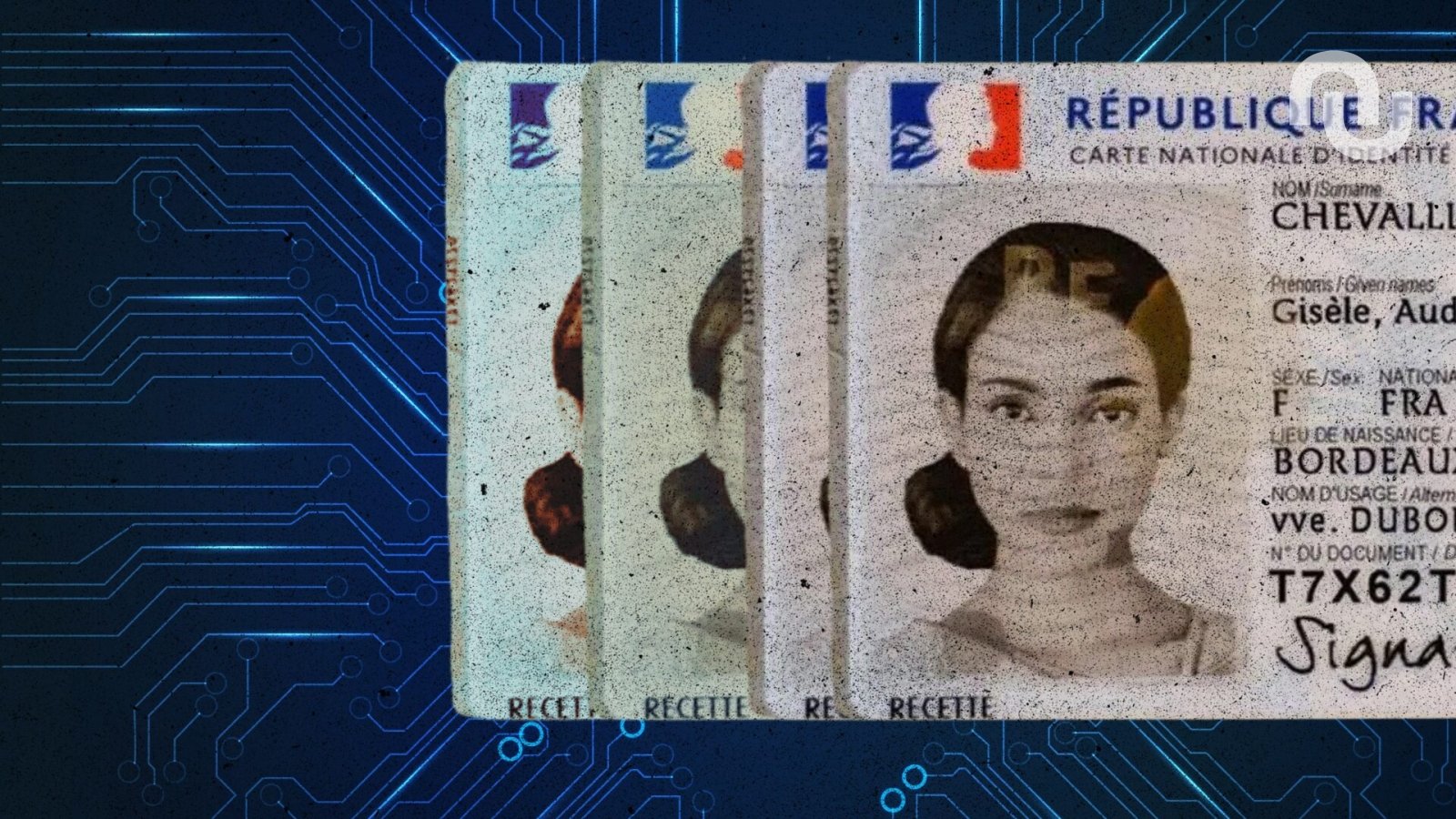
In 1851, the Crystal Palace in London stood as a marvel of glass and iron, yet its greatest vulnerability was not the fragility of its materials but the predictable paths of its corridors. This physical transparency has found a digital mirror in the recent security incident involving France’s National Agency for Secure Documents (ANTS). The breach was not caused by a sophisticated malware deployment or a brute-force attack on encryption. Instead, it relied on a flaw as old as the world wide web itself: Insecure Direct Object Reference (IDOR).
An IDOR failure occurs when an application provides direct access to objects based on user-supplied input. It is the digital equivalent of a hotel guest realizing that because their room number is 401, they can simply walk into room 402 because the locks only check if a key exists, not which specific door it is designed to open. In the ANTS context, this meant that a unique identifier in a URL could potentially be altered by a few digits to reveal the private data of another citizen.
The most dangerous vulnerabilities are not found in the complexity of the code, but in the assumptions we make about the user’s intent.
This incident highlights a growing tension in state-level digitalization. As governments race to migrate sensitive civil registries to cloud-based infrastructures, they often prioritize accessibility over granular authorization. The result is a system that functions perfectly for the honest user but acts as an open filing cabinet for the curious one. Data exposure in this manner is a failure of logic, not of technology.
From Databases to Digital Identity
The ANTS breach is a symptom of a broader transition from perimeter-based security to identity-centric architecture. For decades, the tech industry relied on high walls—firewalls and private networks—to keep intruders out. But in a world of interconnected APIs and mobile government services, the wall has disappeared. Every endpoint is now a front door. When a database as sensitive as one containing identity documents is exposed through an IDOR flaw, it suggests a lack of 'Zero Trust' implementation at the object level.
Developers often focus on authentication—verifying that a person is who they say they are—while neglecting authorization—verifying what that person is allowed to do. It is a subtle but vital distinction. If the system confirms you are 'User A' but allows you to request the files of 'User B' simply by changing a number in the browser's address bar, the authentication becomes moot. Metadata, in this case, becomes a skeleton key for the entire kingdom of personal records.
Modern systems must move toward opaque identifiers. Instead of using sequential integers (1, 2, 3...) which are easily guessed by attackers, platforms are shifting toward Universally Unique Identifiers (UUIDs). These 128-bit strings are mathematically impossible to guess through iteration. However, even UUIDs are a temporary fix if the underlying logic fails to verify ownership at every single request. The shift from 'trust but verify' to 'never trust, always verify' is no longer optional for public institutions.
The Cost of Sequential Thinking
The vulnerability that allegedly impacted the ANTS platform is a reminder that we are still building the foundations of digital citizenship. When a physical passport is stolen, the damage is localized and physical. When a digital registry is compromised via a logic flaw, the scale of the theft is limited only by the speed of the attacker’s script. We are moving toward a period where the integrity of the state is measured by the robustness of its API documentation.
Looking five years into the future, the concept of a static database for identity will likely feel as archaic as a paper ledger. We are drifting toward decentralized identity structures where the state does not 'hold' your data in a central, brittle repository, but rather verifies claims you hold locally on your own hardware. This shift will move us away from the 'glass hallway' of centralized servers and toward a world where your digital footprint is encrypted, fragmented, and entirely under your own sovereign control.

AI Image Generator — GPT Image, Grok, Flux