




The Glass Files: When Your Digital Identity Becomes Public Property
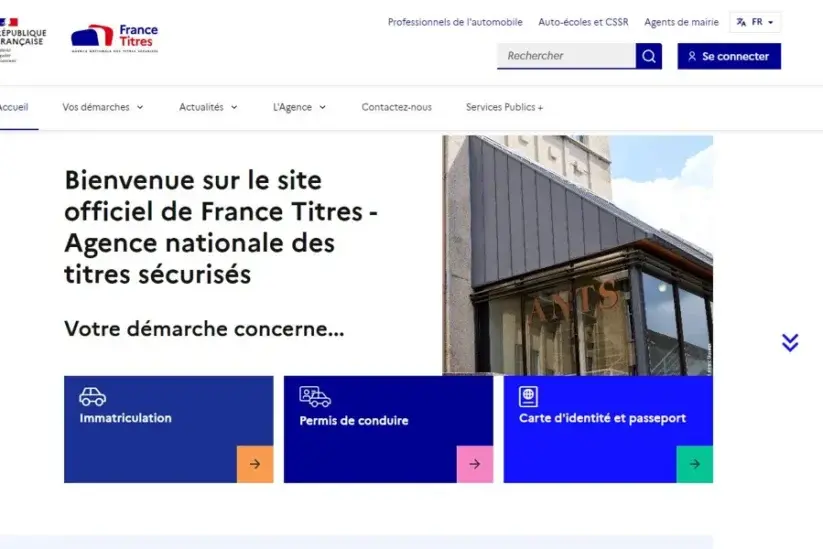
The Quiet Alarm in the Ministry
Late Tuesday afternoon, a security analyst at the Ministry of Interior watched a scrolling line of text that shouldn't have been there. It wasn't a sudden explosion or a cinematic alarm; it was just a silent stream of data flowing where it didn't belong. The National Agency for Secure Documents, known as ANTS, had been breached, and the digital keys to millions of private lives were suddenly in the wrong hands.
For the average person, ANTS is a bureaucratic necessity, the digital gatekeeper for passports, driver's licenses, and identity cards. It is the place where we upload our most sensitive details in exchange for the freedom to travel and drive. When that vault cracks, the fallout isn't just a technical glitch. It is a fundamental violation of the pact between a citizen and the state.
The ministry's confirmation of the incident sent a chill through the developer community in Paris. This wasn't just a simple phishing attempt or a stolen password. This was a deep incursion into the core infrastructure that manages the identities of an entire nation. The attackers didn't just knock on the door; they walked through the walls.
The Anatomy of a Modern Identity Theft
When we talk about data leaks, we often think of credit card numbers, which can be canceled with a single phone call. But the data stolen from the ANTS portal is far more permanent. Names, birthdates, addresses, and document numbers are the building blocks of a person’s legal existence. You cannot simply reset your place of birth or your father's middle name.
Criminals use this information to build digital shadows. They don't necessarily want to spend your money today; they want to become you tomorrow. By stitching together these fragments of data, they can open bank accounts, take out loans, or even bypass security protocols on other services that use these details for verification. It is a slow-motion catastrophe that might not be felt for months.
The digital ghost of your identity can travel much further and cause much more damage than your physical self ever could.
Phishing attempts are already becoming more sophisticated in the wake of the leak. Imagine receiving an email that doesn't just look like it is from the government, but contains your actual passport number and the date you last renewed your license. The psychological wall we build against scams crumbles when the attacker knows more about us than a stranger should. Trust is the first casualty of any breach of this magnitude.
Patching the Human Infrastructure
Software can be updated, and firewalls can be hardened, but the human element remains the most difficult variable to secure. Developers at the Ministry are now working around the clock to track the movement of the stolen data across the darker corners of the web. They are looking for patterns, trying to see if the information is being sold in bulk or used for targeted attacks against specific high-profile individuals.
For the startup founders and digital marketers who rely on these government systems for KYC (Know Your Customer) checks, the breach creates a massive ripple effect. If the source of the identity verification is compromised, the entire chain of trust is broken. Companies are now forced to rethink how they verify users, moving away from static documents and toward more dynamic, biometric-based security measures.
But technology alone won't fix this. It requires a shift in how we perceive our digital footprint. We have spent a decade being told to share more, connect more, and digitize everything. This incident serves as a stark reminder that every piece of data we give away is a liability. The convenience of a digital portal is a beautiful thing until the moment the lock is picked.
Standing in line at a local prefecture used to be the biggest complaint citizens had about government documents. Now, the queue is digital, and the risks are invisible. As the investigation continues, millions are left checking their mailboxes and bank statements, waiting to see if their digital shadow has started a life of its own.

OCR — Text from Image — Smart AI extraction