




The Glass Border: How Invisible Statecraft Replaced the Physical Frontline
The Great Decoupling of Presence and Power
In 1858, the first transatlantic telegraph cable reduced the communication time between London and New York from ten days to minutes. While Queen Victoria hailed it as a bridge of peace, the military immediately recognized it as a weapon of synchronization. We are currently experiencing the inverse of that historical moment. Modern digital infrastructure, once perceived as a tool for global integration, has become the primary theater for a new form of untraceable statecraft.
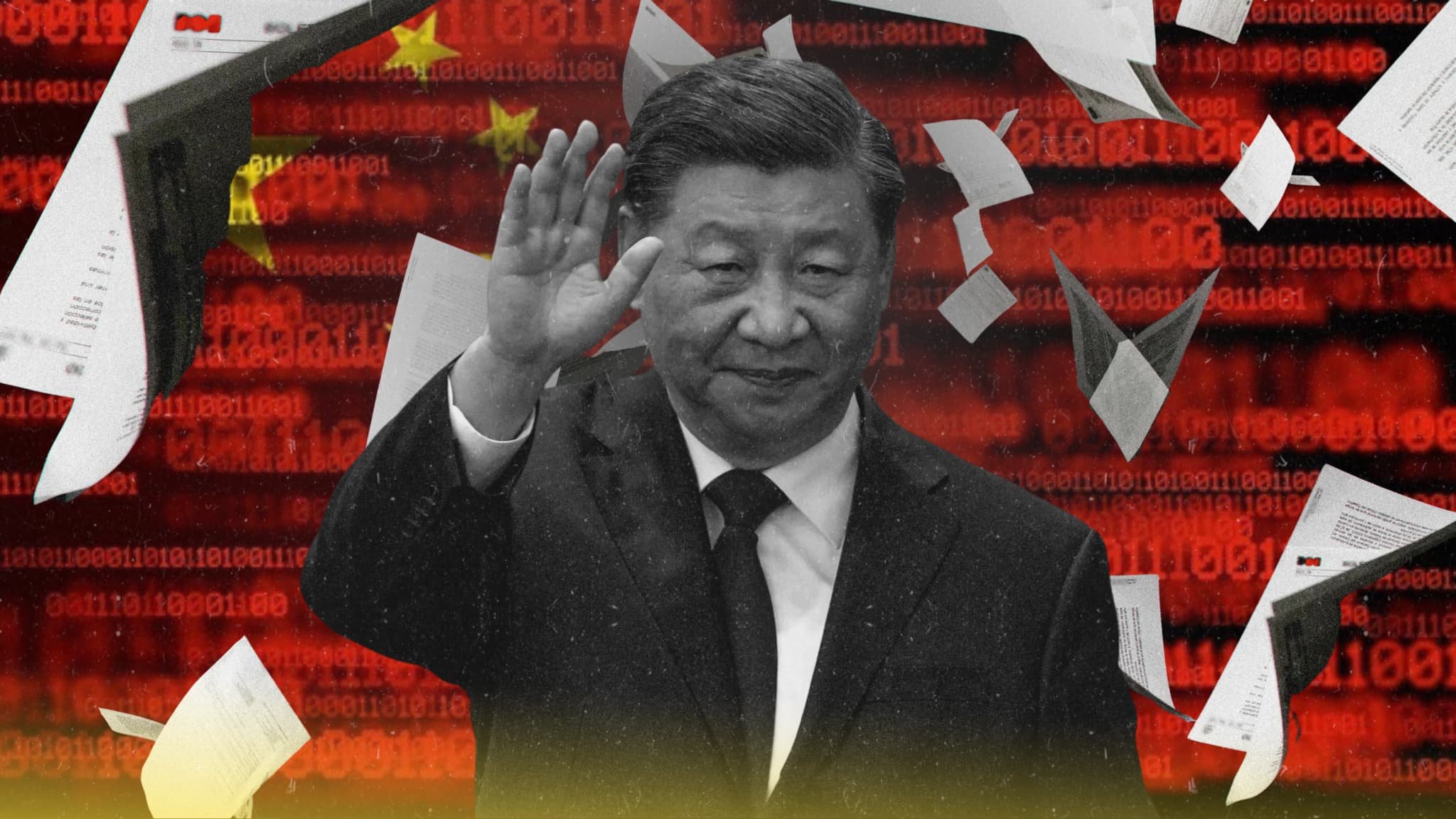
Recent discoveries of expansive network infiltrations across Europe, Asia, and the Americas suggest that the physical boundaries of nations are increasingly secondary to their digital resilience. This operation is not a blunt force attack; it is a meticulous, long-term mapping of the internal nervous systems of governments. By embedding themselves within the servers of foreign ministries and critical infrastructure, actors are essentially creating a permanent, invisible presence that bypasses the traditional requirements of geography.
The goal of modern intelligence is no longer to steal the map, but to become the ink with which the map is written.
This shift signifies a transition from episodic espionage to persistent presence. Previous generations of intelligence gathering relied on the 'smash and grab'—infiltrating a system, extracting data, and retreating. Today, the strategy is about residency. By maintaining a quiet, low-level existence within these networks, state actors can monitor policy shifts in real-time, observing the delta between a government's public stance and its private deliberations.
From Packet Sniffing to Policy Shaping
The technical sophistication of these recent campaigns mirrors the evolution of deep-sea salvage operations. Just as explorers use specialized submersibles to reach depths where pressure would crush standard vessels, these operators use bespoke tools designed to navigate the highly specific architectures of government mainframes. They are not looking for passwords alone; they are seeking the logic of the bureaucracy itself.
When a ministry’s internal communications are compromised over several years, the cost is not merely the loss of data. It is the loss of strategic agency. If an adversary knows your negotiation floor and ceiling before you enter the room, the concept of a fair diplomatic exchange becomes a relic of the past. We are seeing the birth of 'asymmetric transparency,' where one side of the global table is perfectly visible while the other remains a black box.
Economic networks are becoming just as vulnerable as political ones. The infiltration of global utilities and financial systems suggests that the intent is not always immediate disruption. Instead, it is the creation of a 'kill switch'—a dormant capability that can be activated to exert pressure during a peak crisis. This is a form of digital deterrence that functions much like the nuclear standoff of the 20th century, though far more subtle and difficult to verify.
The Architecture of the New Sovereignty
The response to this persistent infiltration cannot be more walls; it must be a fundamental redesign of how we define a 'secure' system. Historically, we built networks like medieval castles, relying on a strong perimeter to keep threats out. In an era where the threat is already inside the stone, we must move toward a biological model of security—one that assumes infection and focuses on the system’s ability to function despite it.
This requires a cultural shift for startup founders and developers who often view security as a feature to be added later. In the current climate, your code is part of the national defense. If your platform bridges the gap between public services and private data, you are participating in the new frontline of sovereignty. The distinction between commercial software and state infrastructure has effectively vanished.
Organizations must begin to view their digital footprint as a living organism that requires constant monitoring of its internal health, rather than just guarding its shell. This means moving toward zero-trust environments and ephemeral computing where statehood is defined by the integrity of one's data streams. The nations that thrive in the next decade will be those that realize their borders are no longer made of soil and water, but of encrypted packets and verifiable identities.
Five years from now, the concept of a 'private' government network will be considered a nostalgic fantasy, replaced by a reality where global power is determined by who possesses the most sophisticated filters to separate signal from state-sponsored noise.

OCR — Text from Image — Smart AI extraction