




The Ghost in the Turnstile: When Cultural Memory Meets Digital Vulnerability
The Quiet Halt of the Cultural Engine
In the grey morning light of a Tuesday in Paris, a museum attendant watched as the digital glow of her terminal flickered and died. She didn't think of it as a security event; she thought of it as a nuisance, a temporary glitch in the machinery of tourism. But as the minutes stretched into hours, the silence of the ticketing systems began to feel heavy. It was the sound of a vast, invisible network going dark across the continent.
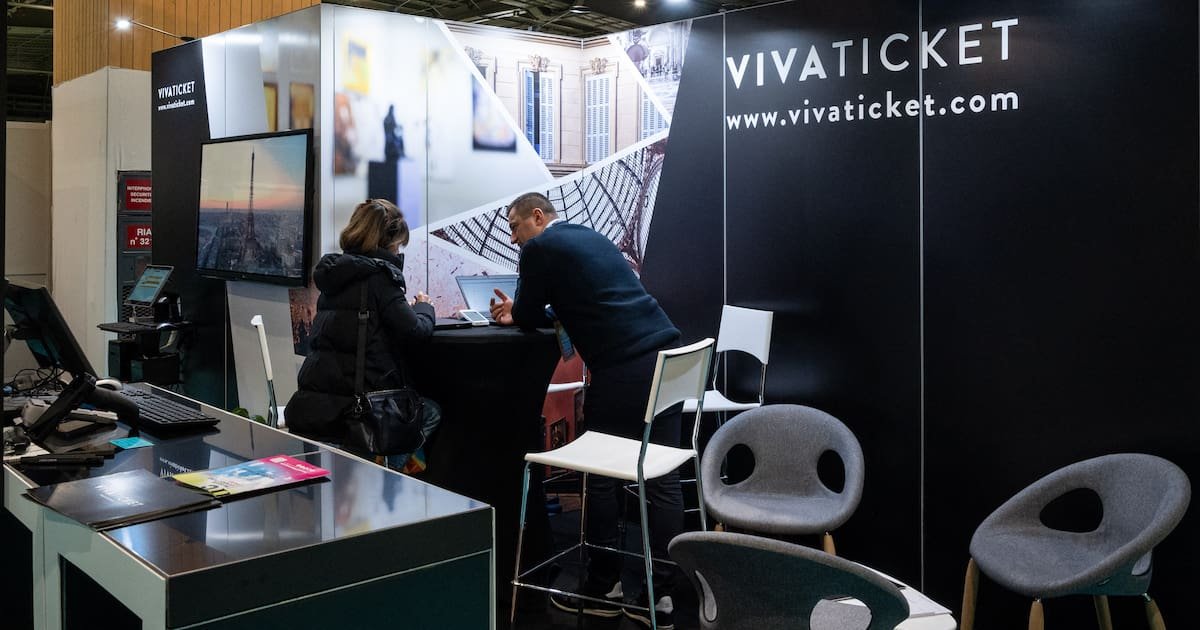
Vivaticket, the quiet giant behind the entry gates of the Louvre, the Eiffel Tower, and countless other monuments to human achievement, had fallen victim to a sophisticated intrusion. For the visitors standing in line with their phones held aloft, the failure was a frustration of logistics. For the institutions themselves, it was a sudden, jarring reminder that the gatekeepers of history are now inextricably bound to the caprices of silicon and code.
The breach did not merely stop the flow of people; it opened a vein of data that had been pulsing quietly beneath the surface of every art gallery and historical site. Names, email addresses, and the specific rhythms of our leisure time were suddenly exposed to the cold eyes of anonymous actors. We often forget that a trip to a museum is, in the eyes of a computer, a series of data points recorded in a ledger.
The Architecture of an Invisible Siege
Our modern relationship with culture is increasingly mediated by these invisible facilitators. When we book a ticket to see a Caravaggio or a Degas, we are engaging in a silent contract with a third party. We trade our digital details for the privilege of physical presence. The intruder in this story did not want the art; they wanted the audience.
Technical teams worked through the night in darkened rooms, attempting to trace the shadows left by the attackers. The complexity of these systems means that a single point of failure can ripple outward, turning a local issue into a continental blackout. It is a fragile architecture, built on the assumption that the walls of our digital world are as sturdy as the stone walls of a fourteenth-century fortress.
The digital ghost doesn't care about the beauty on the walls; it only cares about the keys to the gate and the names of those who passed through it.
As the service slowly returned, the marks of the struggle remained visible. Some sites warned their patrons that their personal information might have been compromised, a chilling note to receive after a day spent contemplating the sublime. It turns our memories of art into a source of anxiety, a lingering question about where our identities might be wandering in the dark corners of the web.
The Weight of Digital Footprints
We are living through a period where the act of being a spectator has become a form of participation in a global data economy. Every exhibition we visit and every concert we attend adds a leaf to a digital biography that we do not own. The Vivaticket incident is not an isolated failure but a symptom of how we have outsourced the stewardship of our public life to private entities.
There is a peculiar dissonance in the idea that a walk through a quiet garden or a silent gallery could lead to a digital haunting. We seek out these places to escape the noise of the modern world, yet we bring the noise with us in our pockets. The convenience of the online booking is a tether that we cannot seem to cut, even as we see the risks laid bare.
Walking away from the museum gates now feels different. The sun sets behind the spire of a cathedral or the glass pyramid of a gallery, and we check our phones one last time. We wonder if the record of our presence there is safe, or if it has already been swept up into a different kind of history, one written in binary and stored on a server we will never see.
Faceless Video Creator — Viral shorts without showing your face