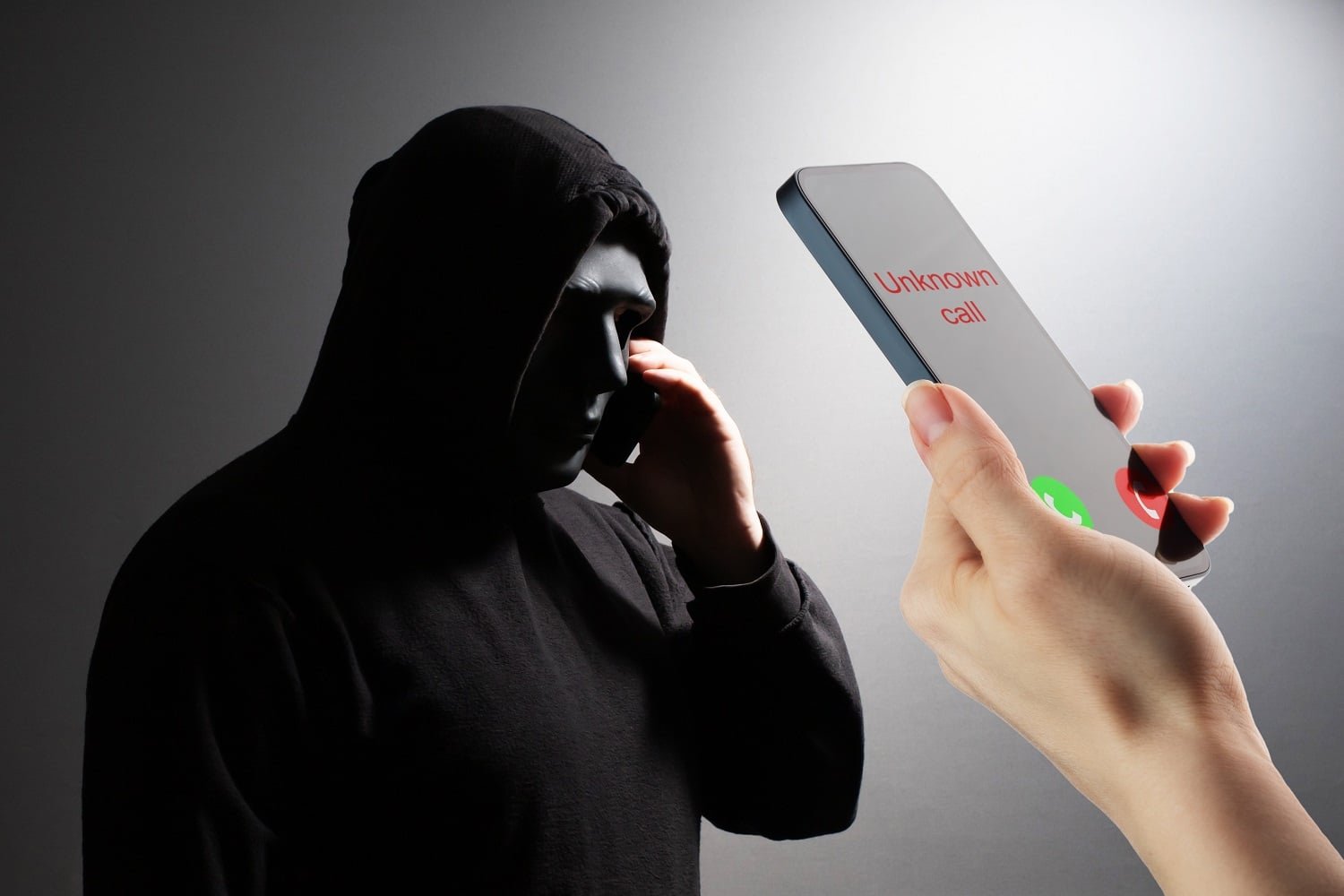
In a quiet suburb outside Lyon, Marie-Claire sat at her kitchen table when her phone vibrated with a familiar rhythm. The voice on the other end was frantic, breathless, and unmistakably her son’s. It carried that specific, sharp cadence he used when he was hurried, the slight rasp he’d had since a childhood bout of croup. He told her he had been in an accident, that his phone was broken, and he needed an immediate transfer of funds to cover a private medical deposit. Marie-Claire didn’t hesitate; she reached for her credit card, her pulse quickening with a mother’s primal instinct to protect her kin.
Only later, after the money had vanished into a digital void, did she realize her son had been at his desk in an office three hundred miles away, silent and safe. The voice she heard was not his. It was a digital artifact, a meticulously crafted shadow generated by a few seconds of audio harvested from a social media video. This is the new architecture of deception, where the most intimate tool of human connection—the voice—is being turned into a skeleton key for our bank accounts and our hearts.
The Fragility of the Auditory Bond
We are biologically wired to trust the sounds of our loved ones. Long before we recognize a face in a crowd, we can identify the specific frequency of a sibling’s laugh or the tired sigh of a spouse. This acoustic signature is fundamentally tied to our sense of safety. Scammers have realized that by bypassing the eyes and targeting the ears, they can disable the skeptical faculties of the brain. When we hear a loved one in distress, the prefrontal cortex—the part of the brain responsible for logical reasoning—often takes a backseat to the amygdala’s frantic demands for action.
The technology required to pull off this feat has moved from the secret halls of high-end research labs to the browsers of anyone with a modest internet connection. It no longer takes hours of recording to replicate a human tone. Just a few words will do. A short clip of a person complaining about the weather or sharing a recipe is enough material for an algorithm to map the contours of their speech, the way they linger on vowels, and the specific rhythm of their breath.
"It wasn't just that it sounded like him; it felt like him. There was a pause he always makes before saying my name. They had that too."
This precision creates a terrifying intimacy. The perpetrator is no longer a distant figure reading a script from a call center; they become a parasitic presence inhabiting the digital identity of a family member. The fraud relies on a profound understanding of human psychology, specifically the urgency we feel when those we love seem to be in peril. It turns our empathy into a liability, making our best instincts the very tools of our financial undoing.
The High Cost of Infinite Mimicry
As these tools become more accessible, the social contract of the digital age begins to buckle under the weight of uncertainty. If a mother cannot trust the voice of her son, what remains of our shared reality? We are entering a period where the burden of proof has shifted. Families are now forced to adopt secret passwords or duress codes—vocal handshakes designed to verify that the person on the line is actually who they claim to be. It is a strange, Cold War-era solution for a hyper-modern problem, a return to whispers and secrets in an attempt to outrun the machines.
Developers of these synthetic voice technologies often speak of their potential for good, such as restoring speech to those who have lost it to illness or creating more immersive art. Yet, the darker utility of these tools is far easier to scale. For a digital marketer or a startup founder, the lesson is one of profound responsibility. When we build systems that can mimic humanity, we are not just creating products; we are altering the chemical makeup of trust. The value of a human voice is being inflated and devalued simultaneously, becoming a commodity that can be bought, sold, and manipulated for the price of a subscription.
In the end, we are left to wonder about the long-term psychic toll of this constant vigilance. To live in a state where every phone call is a potential performance is to live in a world that feels increasingly hollow. We might find ourselves hesitating before we say "I love you" or "I'm here," waiting for a sign that the listener is real. Perhaps we will find ourselves returning to the physical world, seeking out the warmth of a hand on a shoulder or the look in a person's eyes—the things that, for now, cannot be synthesized by a server in a cold room.
Deep in the evening, after the adrenaline of the scare has faded, Marie-Claire still looks at her phone with a trace of suspicion. She remembers the way the voice sounded—the exact pitch of her son’s fear—and realizes that the most frightening thing wasn't the loss of the money. It was the realization that her memories of his voice had been used against her, turning a lifetime of listening into a map for a stranger’s greed. She puts the device in a drawer and waits for the doorbell to ring, hoping for a sound that hasn't been coded.