The Price of a Digital Pulse
In a small study in Oxfordshire, a retired librarian recently sat down to review her digital footprint, unaware that a virtual shadow of her biological history had briefly been listed for sale next to wholesale electric kettles and polyester gym wear. She was one of the half-million volunteers for the UK Biobank, a massive genetic repository that represents the gold standard of modern medical inquiry. These participants donated their blood, their scans, and their life histories with the quiet expectation that their secrets would live in high-security vaults, guarded by the silent sentinels of academic ethics.
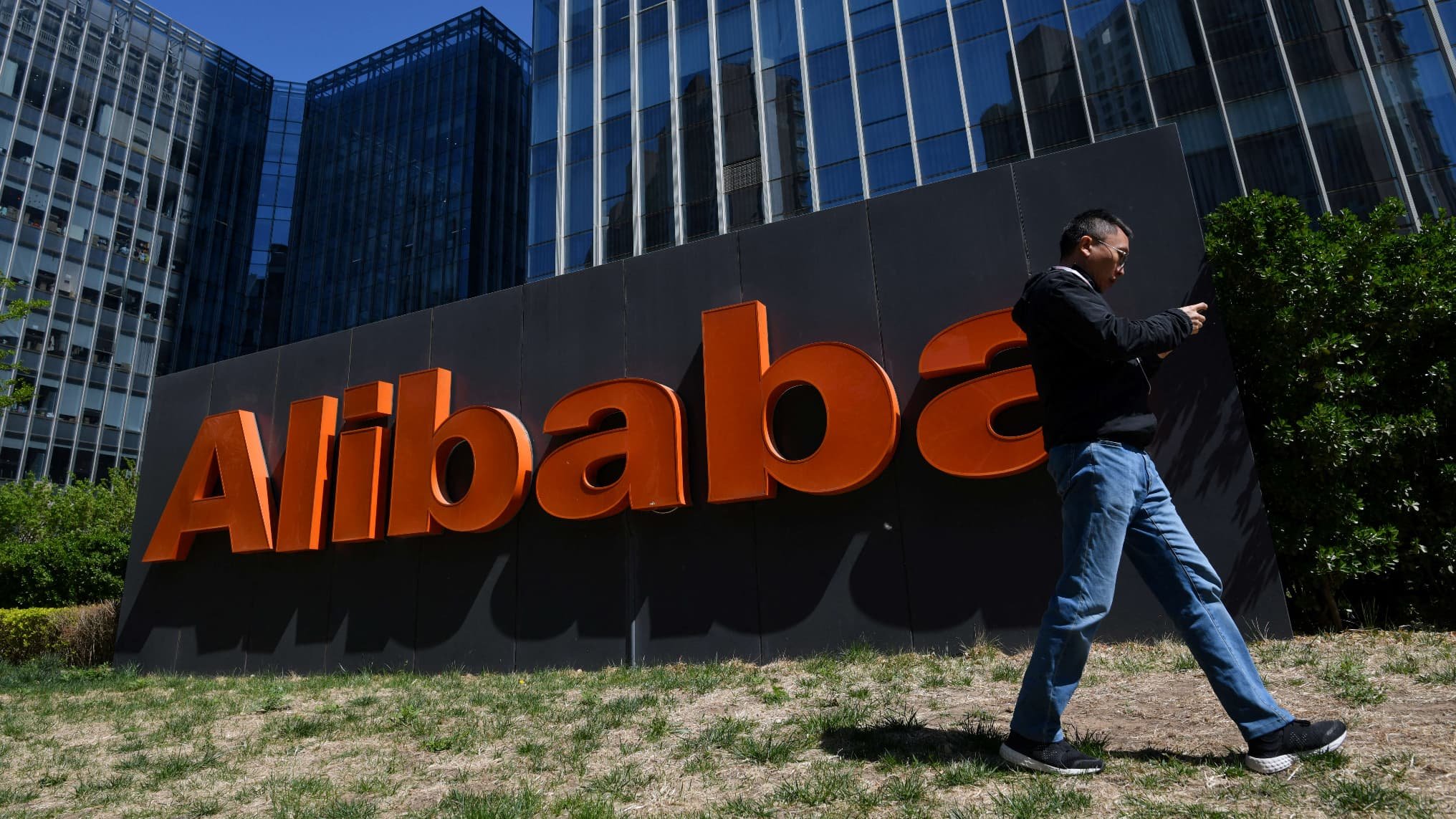
The breach began not with a sophisticated hack or a midnight raid on a server farm, but through the mundane channels of legitimate scientific exchange. Three research institutions based in China had gained authorized access to the anonymized records for the purpose of studying complex diseases. Yet, somewhere between the transfer of data and the intended analysis, the information slipped out of the ivory tower and into the chaotic friction of the global digital marketplace. On the e-commerce giant Alibaba, a listing appeared offering the intimate metrics of 500,000 British citizens to the highest bidder, turning lifelong altruism into a commodity with a clear sticker price.
This incident forces us to confront the persistent myth of anonymized data. We are often told that once our names and addresses are stripped away, our biological information becomes a harmless string of characters, devoid of personality. But a genome is the ultimate fingerprint, and a medical history is a narrative of a life lived. When data of this scale is traded, it is not just numbers changing hands; it is the collective vulnerability of a population being weaponized for profit or influence.
The Leak in the Ivory Tower
The UK Biobank operates on a philosophy of open science, believing that the more eyes that see the data, the faster we will find cures for the ailments that haunt us. It is a noble pursuit that relies entirely on a delicate web of trust between the citizen and the institution. When that trust is punctured, the reparative work takes decades. Examiners are currently tracing the path of the data, trying to understand how a repository intended for the public good ended up on a platform designed for retail surplus.
Scientists in Beijing and Shanghai had followed the protocols, signed the agreements, and paid the requisite fees. Yet the existence of the Alibaba listing suggests a profound failure in the chain of custody. It highlights a recurring tension in the tech world: the desire for fluid, borderless information sharing versus the rigid necessity of sovereign data protection.
“We give these parts of ourselves because we want to help the future, not because we want to become a product for a secondary market,” one volunteer remarked during the initial inquiry.
The gravity of this situation lies in the permanence of the material involved. Unlike a stolen credit card number, which can be canceled and replaced, one’s genetic predispositions and chronic health history are immutable. Once they are leaked into the wild, they cannot be retracted. They linger in private databases, potentially influencing insurance premiums, employment opportunities, or even social standing in ways we are only beginning to comprehend. The oversight of these research hubs, once thought to be a clerical formality, has suddenly become a matter of national security and individual autonomy.
The Architecture of Accountability
For developers and data architects, the Alibaba incident is a sobering reminder that security is not merely a technical hurdle but a moral one. We have spent years perfecting the art of data collection while treating data governance as a secondary concern. The tools for tracking where a dataset goes after it leaves the home server remain rudimentary at best. We rely on legal contracts and the honor system in an environment where the incentives for exploitation are increasingly impossible to ignore.
As the investigation continues, the UK Biobank has frozen certain access points, but the damage to the psychological contract with the public is more difficult to mend. The incident reveals a systemic flaw in how we perceive digital identity. We treat our medical records as if they were separate from our physical selves, forgetting that the data is simply a different manifestation of our own flesh and blood. When 500,000 records go missing, it is not a loss of files; it is a mass exposure of human fragility.
Walking through the quiet streets of a coastal English town, one might see a volunteer who contributed to this project years ago, perhaps believing they were leaving a legacy for their grandchildren. They might look at a smartphone screen and see an advertisement for a local shop, unaware that their internal biology was once a line item on a foreign retail site. The challenge now is to build a world where the pursuit of knowledge does not require the sacrifice of our most private selves. We are left wondering if we can ever truly own our stories once they have been translated into the language of the machine.