




The Ghost in the Firewall
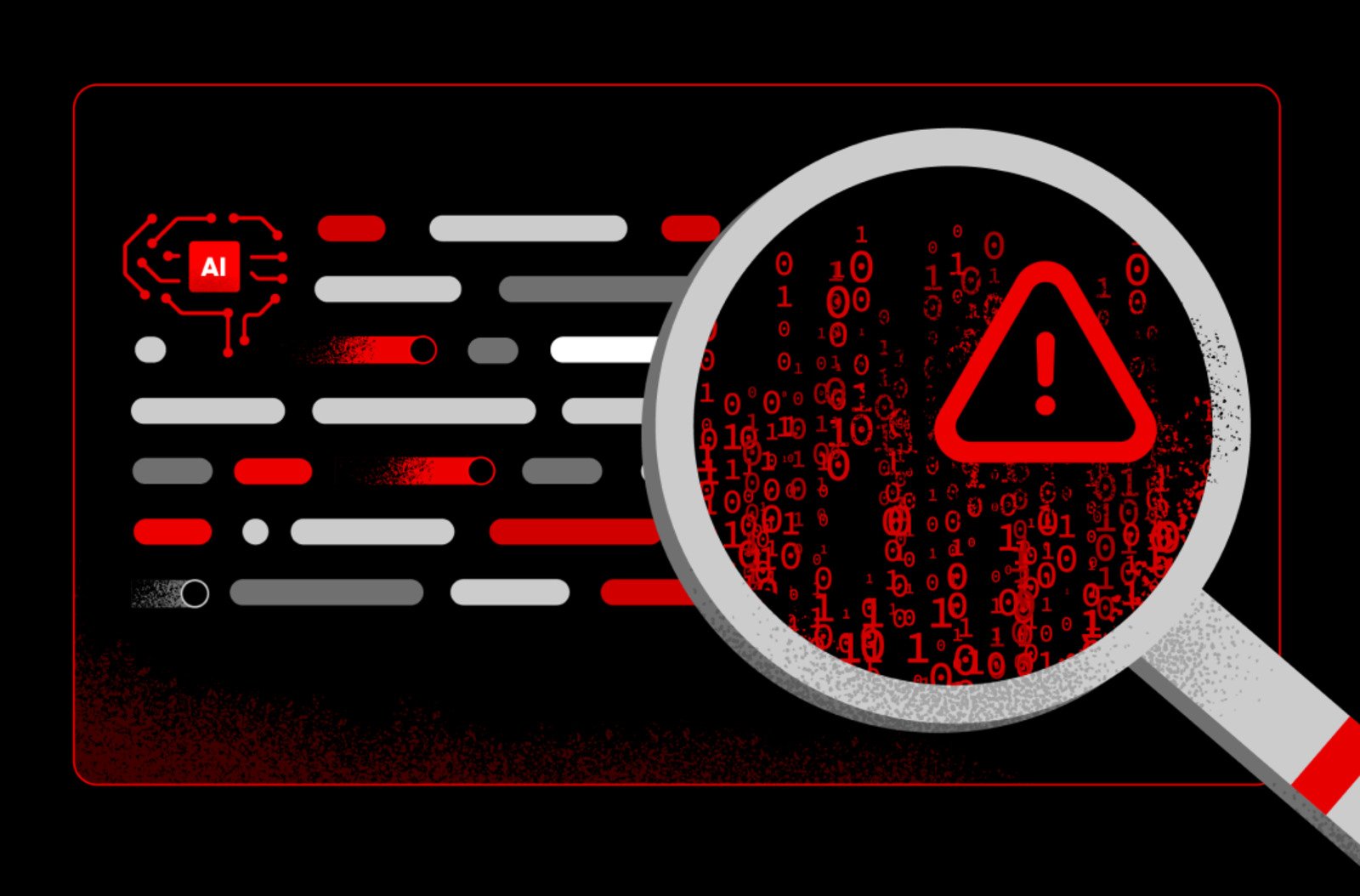
When Sarah, a senior security analyst in a quiet office outside of London, first noticed the anomaly, she didn't call for an alarm. It was a rhythmic pulse in the network data, almost like a heartbeat, that appeared only when the system was under its lightest load. It was too subtle for traditional antivirus software to flag, and too consistent to be a simple glitch.
She sat back and watched the screen, realizing that her own intuition was being outpaced by a new breed of silent, persistent threats. This realization is what drives Project QuiltWorks, a new collaborative effort where CrowdStrike has invited the likes of Anthropic, OpenAI, and IBM to reconsider the very nature of digital defense. They are no longer just building walls; they are trying to teach the walls how to think.
The Architecture of Collaborative Intuition
For years, the industry operated on a philosophy of isolation, where proprietary secrets were guarded as fiercely as the data they protected. But as attacks become more sophisticated, mimicking organic behavior and hiding within the noise of everyday operations, that isolation has become a liability. The alliance suggests that the only way to catch a ghost is to build a better haunting.
By integrating the reasoning capabilities of large language models from Anthropic and OpenAI into the existing frameworks of EY and Accenture, the project aims to bridge the gap between raw data and human understanding. It is an admission that the volume of digital information has finally exceeded our biological capacity to process it. We are handing the magnifying glass to the machine.
This is not merely about speed, though speed is a welcome byproduct. It is about a shift in perspective. Traditional security tools look for known signatures—the digital equivalent of a fingerprint at a crime scene. The new approach seeks to understand the intent behind a sequence of actions, identifying the subtle deviations that suggest a malicious presence before a single file is encrypted.
We are moving away from a world of rigid locks and toward a world of constant, silent observation where the system knows what normal looks like better than we do.
The Weight of the Invisible
The technical hurdles are significant, but the psychological ones are perhaps more profound. Developers and founders are now tasked with trusting black-box shadows to protect their most vital assets. There is an inherent tension in using a generative model—something known for its occasional hallucinations—to act as the final arbiter of truth in a security breach.
Yet, the alternative is becoming untenable. Human analysts are exhausted, buried under a mountain of false positives and minor alerts that obscure the true dangers. The collaboration seeks to filter this noise, allowing the humans to reclaim their role as strategic decision-makers rather than data entry clerks for the abyss.
In this new ecosystem, companies like IBM and CrowdStrike are functioning as the nervous system, while the AI models provide a form of artificial consciousness. They are looking for the "silent failures," those moments where everything appears to be functioning correctly on the surface while the basement is being dismantled piece by piece.
As the sun began to set over Sarah’s office, she watched the new interface begin to map out a series of connections she hadn't even thought to query. It wasn't a replacement for her skill, but a refinement of it, a way to see through the digital fog that had become her daily environment. She took a sip of her cold coffee and felt, for the first time in months, that the odds might be shifting back in her favor. We are learning to exist in a world where the most important things are the ones we cannot see, protected by minds we did not entirely build.
Social Media Planner — LinkedIn, X, Instagram, TikTok, YouTube