




The Ghost in the Encryption: Inside the Campaign Targetting Signal and WhatsApp
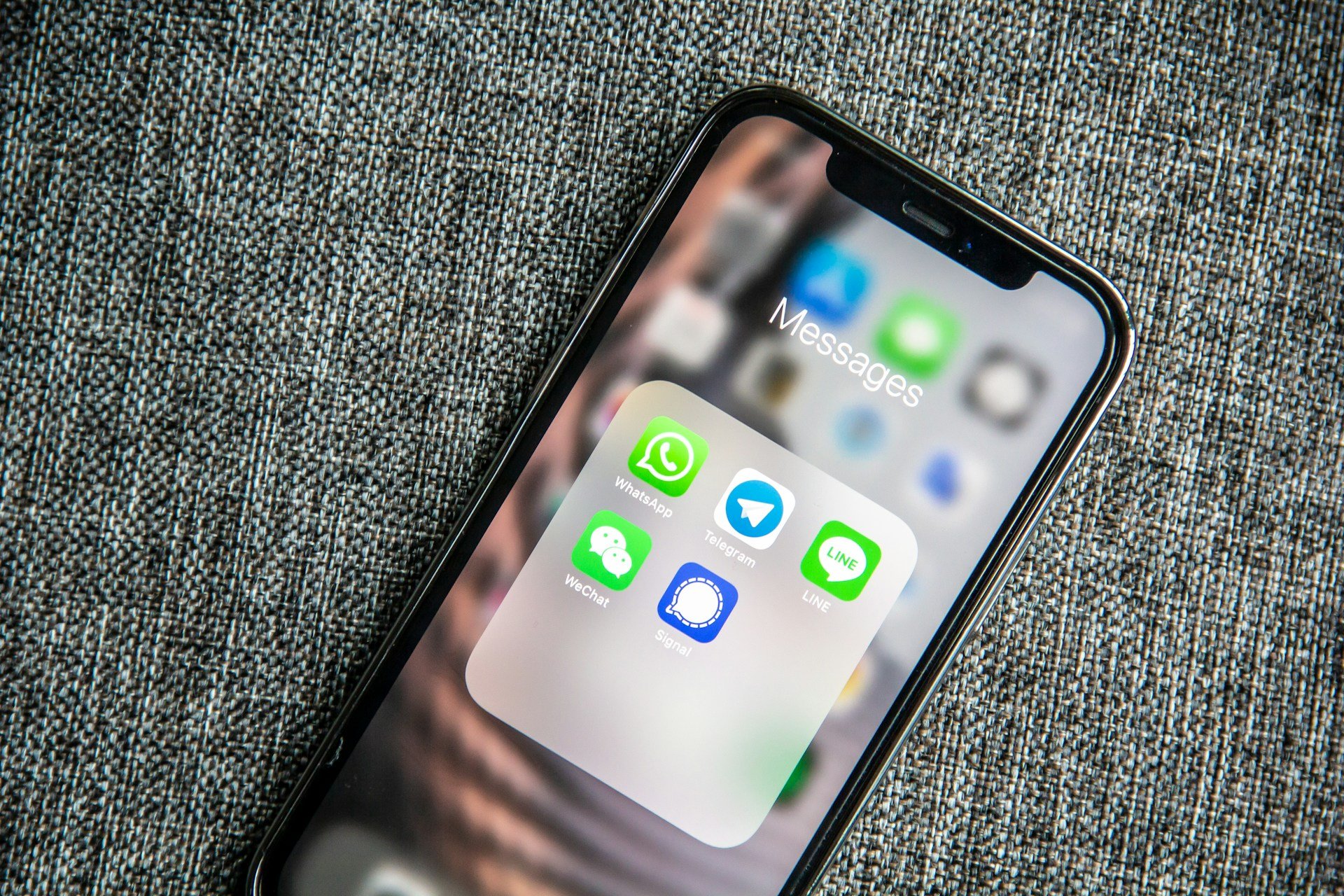
A high-ranking diplomat in Eastern Europe sat at his kitchen table, the blue light of his phone illuminating a late-night notification. It was a message on Signal—the app world-renowned for its impenetrable walls—from a colleague he hadn't spoken to in months. The text was urgent, containing a link to a sensitive policy document. He tapped the screen, unaware that he had just invited a digital ghost into his private life.
This single interaction was not an isolated glitch but a calculated opening move in a vast cyber-espionage campaign linked to Russian intelligence assets. While we often view encrypted messaging as a vault that nobody can crack, this operation proves that you don't need to pick the lock if you can trick the owner into handing over the keys. The targets are specific and high-stakes: government officials, military personnel, and independent journalists who rely on digital privacy to stay alive.
The Art of the Digital Mimic
Security researchers have been tracking these movements with growing concern, identifying techniques that bypass the math of encryption by focusing on the psychology of the person holding the device. The attackers aren't breaking the code that keeps Signal or WhatsApp secure. Instead, they are building elaborate digital mirrors—fake login pages and spoofed identity verification screens that look identical to the real thing.
When a target clicks a malicious link, they are directed to a site that mimics the official service. It asks for a verification code or a session token. Once the user provides it, the attackers effectively clone the account onto their own hardware. They can sit silently for weeks, reading every thread, viewing every photo, and mapping out the social networks of their prey without ever triggering an alarm.
The most sophisticated encryption in the history of mathematics still cannot protect a user who believes they are talking to a friend.
This method turns our trust against us. On WhatsApp, where billions of people manage their daily lives, the sheer volume of noise makes it easy to hide a malicious link. On Signal, the perceived height of the security bar creates a false sense of invincibility. Users feel so safe that they lower their guard, making them the perfect marks for a well-timed social engineering strike.
The Human Firewall is Cracking
Software developers spend years perfecting every line of code to prevent data leaks, yet the human element remains the most unpredictable variable. The current campaign utilizes a technique known as 'browser-in-the-browser' attacks. It creates a pop-up window inside a website that looks exactly like a system login prompt, complete with a fake URL bar that displays the correct address.
For a busy journalist or a military aide, the visual cues of safety are all there. They see the padlock icon and the familiar branding. They enter their credentials, and in that heartbeat, the perimeter is breached. This isn't just about stealing passwords; it is about total situational awareness. The attackers want to know who is meeting whom, which documents are being discussed, and what the next move is on the geopolitical chessboard.
The shift in tactics suggests that state-sponsored groups have accepted they cannot easily break modern end-to-end encryption. Rather than wasting years trying to find a mathematical backdoor, they have pivoted to the path of least resistance. They are monitoring the endpoints—the actual screens and keyboards we use every day. If you can see what is on the screen, the encryption that happened during the transmission becomes irrelevant.
Rewriting the Rules of Privacy
Tech companies are now in a constant race to update their UI to make these fakes harder to pull off. New security features are being rolled out to highlight when a link leads to an external domain, but the attackers are quick to adapt, using URL shorteners and redirected proxies to mask their tracks. It has become a psychological arms race as much as a technical one.
Founders and developers are beginning to realize that 'secure by default' is no longer enough. The next generation of communication tools will likely need to incorporate more aggressive identity verification that doesn't rely on simple SMS codes, which are notoriously easy to intercept. Hardware security keys and biometric locks are moving from the fringe of tech-security circles into the mainstream as the only viable defense against such persistent intruders.
As the diplomat finishes his coffee and sets his phone aside, the device remains silent. There are no flashing lights to indicate his messages are being copied to a server thousands of miles away. The invisible war for our data doesn't happen with a bang, but with a quiet, polite request for access that we are all too happy to grant.
UGC Videos with AI Avatars — Realistic avatars for marketing