




The Ghost in the Circuit: Tehran's Quiet Digital Siege
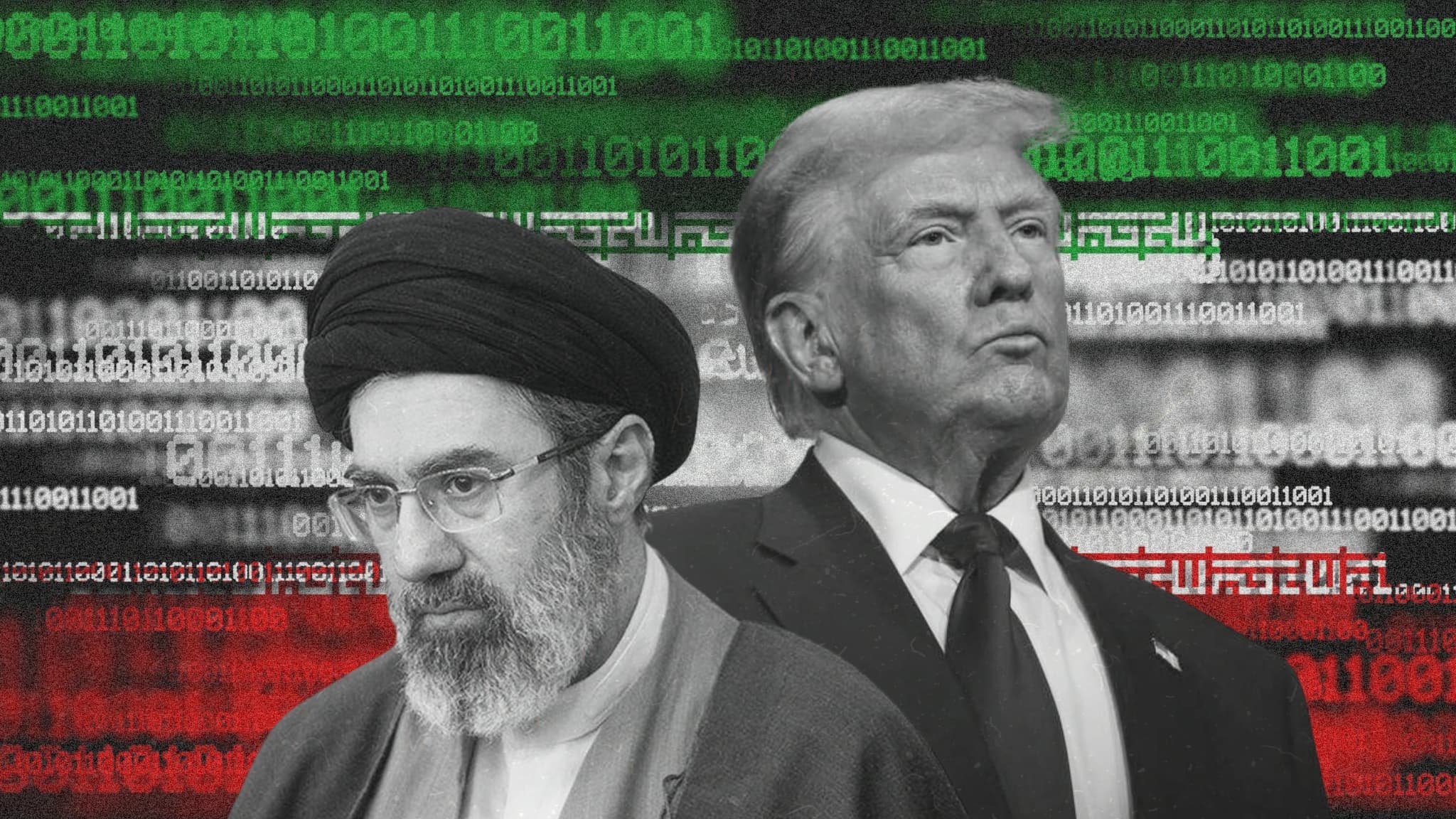
In a small apartment overlooking the Seine, a cybersecurity analyst named Marc watched his monitor flicker with a series of anomalies that felt less like code and more like a heartbeat. The pings originated from servers linked to the Iranian ambitious Guard, persistent and rhythmic. He realized then that the modern battlefield no longer smells of cordite; it smells of ozone and the quiet hum of a cooling fan.
The Architecture of an Invisible Front
For weeks, the digital shadows cast by Tehran have lengthened across the global network, reaching into the delicate systems that manage water, electricity, and maritime logistics. These are not the flashy, destructive strikes of cinematic imagination, but rather a patient probing of the soft underbelly of Western and Middle Eastern infrastructure. The men and women behind these screens operate with a peculiar blend of religious fervor and technical obsession, treating a vulnerability in a power grid as a sacred opening.
This mobilization represents a shift in how a nation-state projects its will when conventional military engagement feels too costly. By deploying specialized cyber units, the ambitious Guard bypasses traditional borders to strike at the mundane realities of their opponents' daily lives. A bridge controller in Haifa or a water treatment plant in a quiet American suburb becomes a tactical coordinate in a conflict that never officially declares itself.
The strategy is one of persistent friction rather than total collapse. By causing small, localized disruptions, these digital units aim to erode the quiet confidence that citizens place in their physical environment. If the water stops flowing for an hour, or the lights flicker during a speech, the message is sent: we are here, and we are watching.
The Human Hand Behind the Keyboard
Behind every automated script is a person who likely studied engineering in Tehran or Isfahan, perhaps drinking the same tea and listening to the same music as the developers they target in Tel Aviv or San Francisco. This human element is often lost in the technical jargon of firewalls and encryption. These operators are motivated by a complex mix of nationalism and a desire to prove their technical prowess on a stage where they are usually sidelined by sanctions.
The digital world offers a symmetry that the physical world denies them; in code, a small team can challenge a superpower.
We often speak of these events as if they are purely mechanical, but they are deeply psychological. Each successful intrusion is a performance, a way for a constrained state to flex its muscles without moving a single tank. The keyboard becomes a tool for a new kind of statecraft, one that values ambiguity and deniability above all else.
As these units become more sophisticated, the line between a hacktivist group and a state-sponsored military wing continues to blur. This intentional fog allows for a degree of experimentation that would be unthinkable in a kinetic war. They test the limits of what a society will tolerate before it reacts, pushing the boundaries of the digital frontier further into the domestic sphere of their rivals.
The Fragility of the Connected Self
The quiet escalation of these digital maneuvers reminds us of the inherent vulnerability of our connected lives. We have built our cities and our societies on a foundation of trust in the unseen systems that manage our resources. When those systems become targets, the very fabric of our security begins to fray at the edges, revealing the thinness of the barrier between the digital and the tactile.
This is not merely a story of hackers and defenders; it is a story of how we have outsourced our safety to machines that speak a language we barely understand. The Iranian cyber units are simply the first to exploit the reality that in a world where everything is connected, nothing is truly isolated. The conflict moves through the wires and into our homes, turning our convenience into a liability.
As the sun sets over the data centers that power our world, the glow of the monitors remains constant. We are left to wonder at what point the digital tension will spill over into something we can no longer ignore. For now, the war is a silent one, measured in packets of data and the steady, cold light of a screen in the dark.
Faceless Video Creator — Viral shorts without showing your face