




The Georgia Playbook: How Raphaël Glucksmann’s Early Advisory Role Shapes His Political Brand
The Geopolitical Apprenticeship
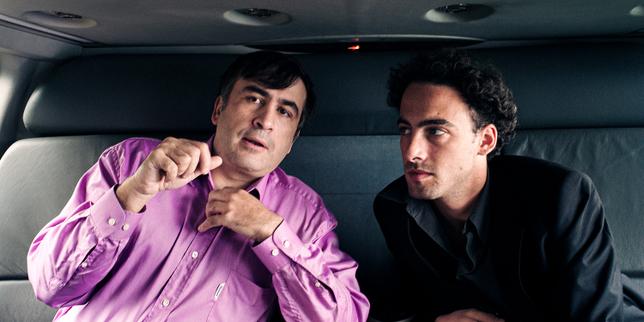
Raphaël Glucksmann’s bid for the French presidency in 2027 is not being built on domestic administration. It is being built on a unique brand of foreign policy credentials forged in the highly volatile environment of post-Soviet Eastern Europe. Between 2009 and 2013, a young Glucksmann served as an advisor to Mikheil Saakashvili, the reformist and highly controversial president of Georgia. This was not a passive consulting gig; it was a trial by fire in a nation actively resisting Russian hegemony.
For a political figure aiming to capture the center-left in France, this background is both a powerful differentiator and a massive target. It positions him as a practitioner of international relations who understands the realities of statecraft, rather than a typical product of the Parisian civil service pipeline. However, this foreign advisory chapter is now being scrutinized under a microscopic lens by his political opponents on both ends of the spectrum.
The Risks of Foreign Advisory Assets
In politics, as in venture capital, your greatest early-stage asset can easily become your heaviest liability during a growth round. Glucksmann’s opponents are already capitalizing on this vulnerability. Far-right and far-left factions are framing his time in Tbilisi not as a diplomatic masterclass, but as a compromise of national allegiance.
- The Sovereignty Critique: Nationalists argue that advising a foreign head of state disqualifies a candidate from representing French interests first. They paint the experience as serving globalist agendas rather than local constituents.
- The Reformist Baggage: While Saakashvili was celebrated for his anti-corruption measures and pro-Western stance, his administration was also accused of authoritarian overreach. Glucksmann is forced to defend the positive economic reforms while distancing himself from the regime's eventual excesses.
- The Anti-Imperialist Narrative: The radical left views his past involvement in Georgia as alignment with Western neoconservative interventionism, a stance that alienates traditional anti-war voters.
This positioning creates a complex defensive battle. Glucksmann must constantly sell his international experience as a strategic asset for France in an increasingly unstable world, while parrying accusations that he is an outsider to domestic struggles.
The Valuation of Geopolitical Experience in 2027
The core thesis of Glucksmann's campaign relies on a shift in what voters value. If the 2027 election is fought entirely on domestic economic anxieties, his foreign policy portfolio will yield low returns. But if global security, European defense, and the threat of eastern autocracies remain top of mind for the electorate, his background becomes highly valuable currency.
Compared to rivals who have spent their careers navigating regional councils and national ministries, Glucksmann offers a macro perspective on European security. He understands how Russia operates because he witnessed it firsthand during the aftermath of the 2008 invasion of Georgia. This is a level of practical exposure that cannot be replicated through policy briefs or parliamentary debates.
My bet is on a polarizing outcome. Glucksmann will successfully capture a highly educated, pro-European demographic that views his foreign experience as a badge of honor. However, this same background will cap his ceiling among working-class voters who demand a candidate focused entirely on national protectionism. In the ultimate political marketplace, his Georgian venture will yield high margins but limited market share.

AI Image Generator — GPT Image, Grok, Flux