




The Geopolitical Pivot: Analyzing the First Direct Trump-Putin Dialogue Post-Election
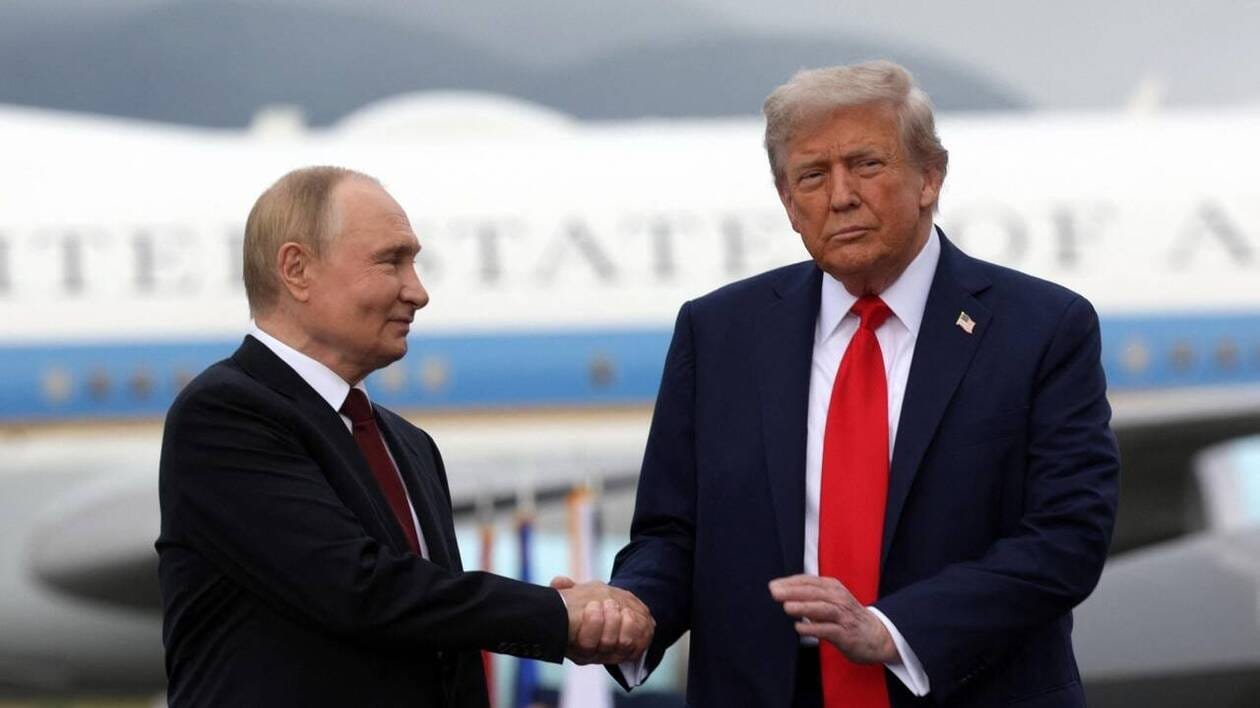
The Shift from Multilateralism to Direct Bilateral Negotiation
In the 72 hours following the U.S. election, the diplomatic frequency between Washington and Moscow shifted from static silence to active engagement. Reports indicate that Donald Trump and Vladimir Putin held a private telephonic discussion focused on the cessation of hostilities in Ukraine, marking a departure from the Biden administration's policy of isolation. Data from the Kiel Institute suggests that the U.S. has committed over $64 billion in military aid to Kyiv since 2022, a figure that now faces unprecedented scrutiny as the incoming administration signals a preference for a negotiated settlement over sustained attrition.
This dialogue occurs against a backdrop of increasing cyber activity. While political channels open, technical defenses are being tested. Russian-linked threat actors have maintained a consistent rhythm of distributed denial-of-service (DDoS) attacks against European infrastructure, attempting to fracture the consensus among NATO allies. The timing suggests a dual-track strategy: engaging in top-level diplomacy while applying pressure through non-kinetic means to weaken the bargaining position of Western intermediaries.
The Economic Calculus of a Frozen Conflict
For startup founders and digital marketers in the defense tech and cybersecurity sectors, this shift represents a pivot in market demand. The focus is moving from rapid hardware deployment to long-term surveillance and verification technologies. If the conflict moves toward a freeze or a demilitarized zone, the primary investment will transition to border monitoring systems and AI-driven threat detection. Market analysts expect a 15% increase in private equity flows toward 'peace-tech' startups if a formal ceasefire framework is established by the first quarter of 2024.
- Verification of troop movements via commercial satellite imagery.
- Automated detection of ceasefire violations using acoustic sensors.
- Cybersecurity protocols designed to protect reconstructed civil infrastructure from state-sponsored malware.
The fiscal reality is that the current rate of ammunition consumption is unsustainable for European defense contractors without massive, long-term state guarantees. Trump’s stated goal of ending the conflict within 24 hours is mathematically improbable, but it serves as a signal to the markets that the era of open-ended military funding is likely concluding. This creates a vacuum that private contractors and security firms are already preparing to fill, focusing on regional stability rather than offensive capabilities.
Strategic Positioning in a Volatile Intelligence Environment
While the phone call suggests a thaw, the operational reality remains hostile. Intelligence reports highlighted a sophisticated Russian cyber campaign targeting critical infrastructure in Eastern Europe simultaneously with the diplomatic outreach. This suggests that Moscow is not seeking a return to the pre-2022 status quo but is instead using high-level talks to buy time for tactical regrouping. Cybersecurity firms reported a 30% spike in phishing attempts targeting government officials in the hours surrounding the call, indicating that the diplomatic channel itself is a primary target for intelligence harvesting.
"The objective is not just peace, but the specific terms of that peace which dictate the security architecture of Europe for the next thirty years,"
Developers working on decentralized communication tools and encrypted platforms are seeing a surge in adoption across the region. As trust in traditional diplomatic channels fluctuates, the demand for verifiable, tamper-proof communication increases. This is no longer a niche requirement for activists but a core necessity for corporate entities operating in the proximity of the conflict zone. The integration of blockchain for logistics tracking in high-risk zones is one specific area where developers are finding immediate traction.
The current trajectory indicates that the U.S. will likely pivot its primary geopolitical focus toward the Indo-Pacific by the second half of 2025. This shift will force European nations to increase their defense spending to at least 3% of GDP to compensate for the reduction in American security guarantees. Consequently, the defense tech sector in Europe will undergo a period of rapid consolidation as companies race to achieve the scale necessary to replace U.S. logistical support.

AI Video Creator — Veo 3, Sora, Kling, Runway