




The Geography of Autonomy: Why Micro-History Dictates the Future of Health Access
The Rural Network as an Early Internet
Before the standardization of medical logistics, information moved through the countryside like a hidden current. In the 1970s, the battle for reproductive autonomy in isolated regions like Creuse mirrored the decentralized protocols of the early web. It was a peer-to-peer network built on trust, long before we had algorithms to facilitate it.
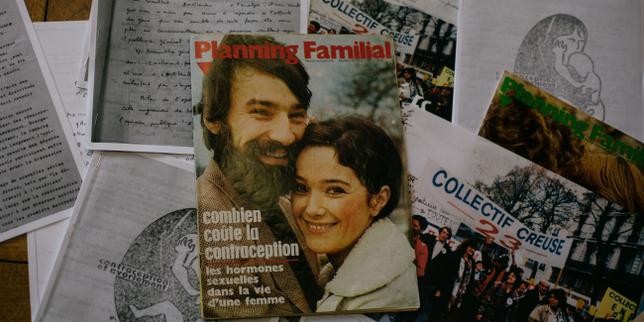
Antoine Vachon, a researcher documenting the seventy-year history of the Planning Familial, has unearthed archives that tell a story of logistical bravery. These were not just social workers; they were infrastructure architects. They operated in the gaps where the state and traditional medical institutions failed to reach, creating a manual for fringe-case service delivery that remains vital today.
Small-scale movements do not just fill gaps; they create the social gravity that eventually pulls the center toward progress.
The friction of distance was the primary enemy of these pioneers. In a rural setting, privacy is scarce and transport is a barrier. The archives reveal how activists turned private homes into nodes of a larger system, effectively building a distributed cloud of healthcare before the term existed. This wasn't just about medicine; it was about the sovereignty of the individual over their own data and body.
From Analog Archives to Algorithmic Access
We often assume that progress moves from cities outward to the periphery. However, these documents suggest the opposite: the most resilient systems for human rights are forged in the harshest constraints of the rural space. When resources are thin, the innovation of the local actor becomes the primary driver of change.
Vachon’s work highlights the personalities behind the paperwork. These pioneers understood that systemic change requires a blend of radical action and meticulous record-keeping. They documented their struggles not just for the sake of history, but as a technical manual for those who would follow. The ledger is always the precursor to the law.
Today, as digital marketers and startup founders struggle with user trust and localized engagement, they would do well to study these mid-century activists. They managed to maintain a high-integrity network in a low-trust environment using nothing but paper, telephones, and physical presence. This is the ultimate case study in building a brand based on radical utility and communal necessity.
The tension between central authority and local autonomy is a constant in the history of technology and medicine alike. By revisiting these specific provincial struggles, we see the blueprint for how marginalized groups can build their own systems of care when the mainstream architecture is hostile or indifferent. This is the history of the edge, written by those who lived there.
The Long Tail of Social Infrastructure
The celebration of seventy years of the Planning Familial is a reminder that social infrastructure requires constant maintenance. It is not a set-it-and-forget-it system. Vachon’s curation of this memory acts as a patch for our collective amnesia regarding how hard-won these rights were. It serves as a reminder that the tools of the past—community organizing and grassroots distribution—are still the most effective counters to institutional inertia.
In an age where we rely on centralized platforms for almost every aspect of our lives, the Creuse archives offer a different vision. They show a world where the network is composed of people rather than servers. The durability of a movement is measured by its ability to survive the absence of its original architects.
Reflecting on these rural pioneers allows us to see the current tech-driven healthcare shifts through a clearer lens. Whether it is tele-medicine or decentralized clinical trials, the goal remains the same: the removal of the gatekeeper. The activists of the 1970s were the first developers of this mental software, hacking the social norms of their time to deliver a service that the world wasn't yet ready to formalize.
As we look forward, the lessons of the Creuse will apply to more than just health. They provide a template for how any movement can scale by focusing on the most difficult-to-reach nodes of the network. The future of access is not found in the boardrooms of the capital, but in the resilient, small-scale victories of the provincial frontier where every data point is a human life.
By 2030, the most effective global platforms will likely look more like these original rural networks: highly localized, deeply trusted, and entirely indifferent to the constraints of traditional borders.
AI Film Maker — Script, voice & music by AI