




The False Seal of Trust: How Code-Signing Lost Its Modern Edge
In 13th-century Europe, monarchs used personalized wax seals to authenticate decrees. If the seal arrived unbroken, the recipient knew the message came from the throne and remained untampered. But this system had a fatal flaw: it did not prove the king was telling the truth, nor did it prevent a rogue scribe from sealing a forgery with a stolen signet. The modern equivalent of this cryptographic trust is code-signing, and its vulnerabilities are beginning to show.
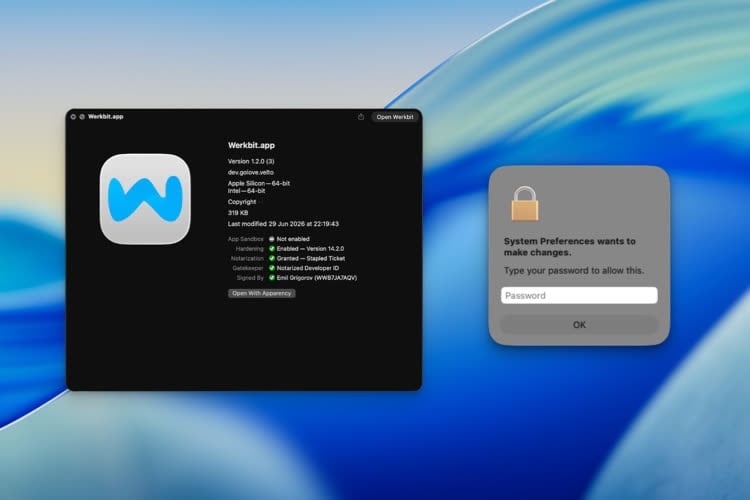
A newly discovered threat targeting macOS, dubbed CrashStealer, demonstrates this precise vulnerability. It has bypassed Apple's notarization process—a rigorous automated system designed to scan software for malicious code before allowing it to run on users' setups. By wrapping credential-harvesting payloads inside seemingly benign applications, the creators of this exploit turned Apple's seal of approval into a trojan horse.
The Illusion of Verified Safety
For several years, desktop operating systems have pushed developers toward walled gardens and strict verification protocols. Security teams at Jamf recently discovered this specific malware hiding behind a valid digital certificate. Apple's system assumed the software was safe because it met the technical criteria of a clean build at the exact moment of scanning. This exposes a growing gap in static analysis: bad actors are learning how to construct software that behaves perfectly under observation but changes its nature once inside the network.
The challenge is no longer about keeping unauthorized software out; it is about recognizing when authorized software begins to act with malice.
Instead of breaking into the vault, attackers are simply applying for the keys through the standard channels and getting approved.
Once installed, CrashStealer extracts stored passwords, digital wallet configurations, and browser cookies. Rather than using loud, intrusive system exploits, it silently reads file paths that users have already granted their systems permission to access. By mimicking typical developer tools or system utilities, the software avoids raising red flags from traditional security monitors.
Beyond the Gatekeeper: The Move to Behavioral Trust
This development signals the twilight of the static trust model. For decades, the tech industry relied on the assumption that a binary file could be classified permanently as either good or bad. Once a file received its cryptographic signature, it was trusted indefinitely. This static approach is failing because modern software is dynamic, modular, and increasingly reliant on external assets loaded after installation.
Security strategies must evolve from checking credentials at the door to observing behavior inside the house.
- Micro-behavioral monitoring tracks sudden, unexpected file access patterns from highly trusted applications.
- Decentralized identity verification ensures that a developer's certificate cannot be compromised at a single point of failure.
- Zero-trust application execution treats every action as potentially hostile, regardless of the publisher's identity.
As these attacks grow more sophisticated, digital platforms will have to treat code signatures as temporary, revocable leases rather than permanent passes. The future of desktop security belongs to systems that continuously doubt the software they run, analyzing actions in real-time rather than relying on a digital signature created weeks prior in a developer's office.
Five years from now, the concept of a single, static installation file will feel as antiquated as a wax seal on parchment, replaced by ephemeral applications whose permissions are negotiated second by second based on their active behavior.

AI Video Creator — Veo 3, Sora, Kling, Runway