




The Fall of YggTorrent: When Pirate Monopolies Collide With Their Own Methods
The friction between ideology and infrastructure
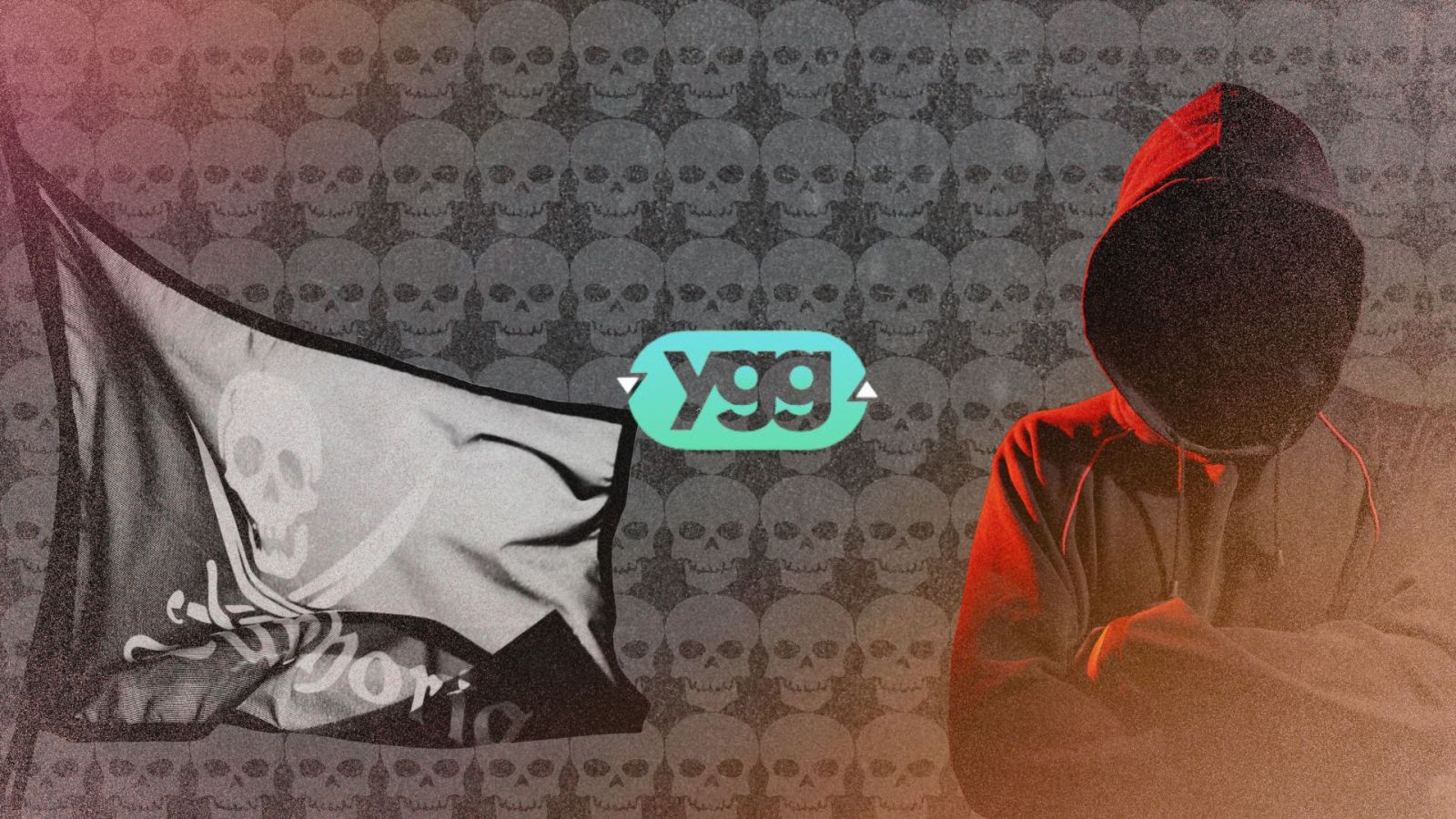
The official narrative of the BitTorrent world usually centers on the free exchange of culture and the resistance against corporate gatekeepers. However, the recent dismantling of YggTorrent by a rogue actor suggests that the site had become the very thing it claimed to oppose: a centralized, rent-seeking entity. For years, users complained about aggressive monetization, but those grievances remained relegated to niche forums until a hacker effectively pulled the plug on the operation.
This was not a simple technical failure or a law enforcement raid. It was a targeted strike against a business model that many insiders viewed as predatory. The attacker did not just delete files; they exposed the architecture of a system designed to extract value from its user base through forced donations and restrictive upload ratios that could only be bypassed with a credit card.
The collapse reveals a significant gap between the site's public face as a community hub and its private reality as a high-margin enterprise. While the administrators framed their overhead as necessary for server maintenance, the sheer scale of the data exposed suggests a much leaner operation with much wider profit margins. The community is now forced to confront whether they were participating in a movement or simply funding a private venture.
The mechanics of administrative extortion
The core of the conflict lies in how YggTorrent managed its users. Unlike traditional trackers that rely on voluntary contributions, this platform allegedly implemented what critics describe as protection rackets for digital access. Users found themselves trapped in a cycle where maintaining a positive ratio was nearly impossible without paying for 'VIP' status or purchasing artificial upload credit.
The site's management used methods that can only be described as thuggery, prioritizing profit over the very principles of peer-to-peer sharing and transparency.
Following this quote from an insider close to the breach, the investigation into the leaked data shows a pattern of administrative abuse. Administrators allegedly banned users who questioned the financial transparency of the site, effectively silencing any internal audit. This created a culture of fear where the only way to stay active was to pay up and keep quiet.
The hacker's intervention serves as a violent audit of these practices. By targeting the user databases and the internal communication logs, the attacker shone a light on how the administrative team handled disputes. The logs suggest that bans were often used as a tool to encourage 're-purchasing' accounts, a tactic more common in organized crime than in open-source communities.
The data leak and the illusion of security
While the administrators scramble to frame this as a malicious act against the users, the reality is that the vulnerability existed because of poor internal hygiene and a lack of investment in security. For a site that handled millions of connections and sensitive payment data, the technical barriers were surprisingly thin. This suggests that the revenue generated was not being reinvested into the platform's stability or user protection.
The leak includes email addresses, IP logs, and private messages, putting thousands of individuals at risk of legal repercussions. This is the ultimate irony of the YggTorrent model: users paid for the privilege of having their data poorly managed. The 'service' they were buying included none of the privacy protections one would expect from a high-stakes piracy operation.
Developers and digital marketers who followed the site's growth often viewed it as a case study in aggressive scaling. However, the breach proves that scaling without trust is a terminal strategy. The technical debt accumulated by the site was not just in its code, but in its social contract with the people who provided the content in the first place.
The tracker's future now depends on a single metric: user migration. If the community moves to decentralized alternatives or smaller, more transparent trackers, the YggTorrent brand will remain a cautionary tale of what happens when a pirate ship tries to become a bank. The deadline for this recovery is shrinking as competitors move to absorb the displaced traffic.

AI Video Creator — Veo 3, Sora, Kling, Runway