




The Encryption Truce: Why Green Bubbles Finally Earned Their Armor
Beyond the Color War: The Infrastructure of Trust
When the first standardized shipping containers arrived at the Port of Newark in 1956, they didn't just move goods faster; they created a universal language for global trade. Before that moment, every port had its own chaotic system of pulleys and crates. Digital communication has lived in a similar state of fragmented chaos for a decade, defined less by utility and more by the artificial borders between mobile operating systems.
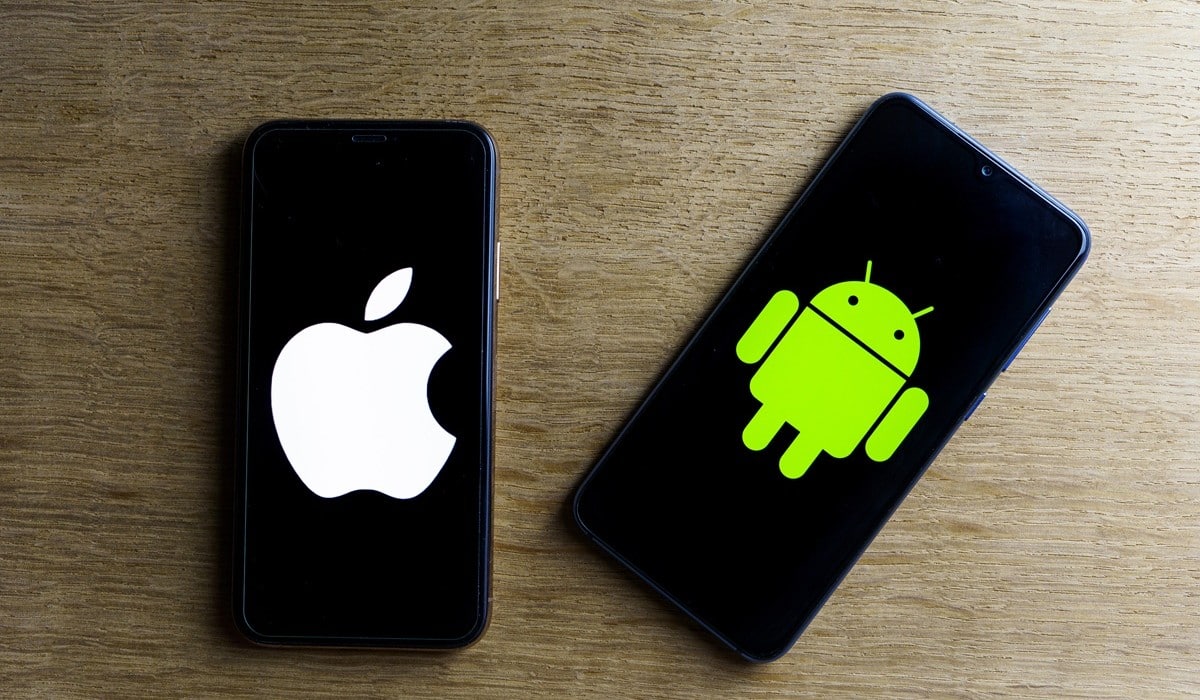
The long-standing friction between Apple and Android users has traditionally been framed as a social phenomenon—the hierarchy of blue and green. However, the real story was never about the color of the bubble; it was about the dangerous lack of parity in the underlying plumbing. While iMessage users enjoyed a fortress of encryption, any interaction with an Android device fell back to SMS, a protocol as insecure as a postcard sent through the physical mail.
The most vital infrastructure is often invisible until it fails; for years, our cross-platform data has been failing in plain sight.
By finally integrating the RCS (Rich Communication Services) protocol with a specific focus on security extensions, Apple is closing a loophole that has existed since the dawn of the smartphone. This move is not merely a feature update. It is an admission that in a hyper-connected economy, a secure network is only as strong as its weakest point of contact. We are moving from a walled garden model to a gated community model, where the gates actually talk to one another.
The End of Clear-Text Diplomacy
Historically, technical standards only prevail when the cost of stubbornness exceeds the cost of cooperation. For years, the lack of encryption for cross-platform chats was a strategic choice, a way to maintain the exclusivity of the Apple ecosystem. But as privacy becomes a primary regulatory and consumer demand, that strategy has aged into a liability.
The technical shift involves adopting the Universal Profile for RCS, but with a critical layer of modern encryption that bridges the gap. This means that media files, location data, and sensitive text no longer travel across carrier networks in 'clear text.' In an era where data extraction is a multi-billion dollar industry, leaving these doors unlocked was becoming an indefensible stance for a company that markets itself as a privacy leader.
Developers and marketers should view this through the lens of friction reduction. When communication becomes seamless and secure across all devices, the barriers to collaborative commerce disappear. If you cannot trust the channel, you cannot conduct the transaction. This update effectively provides a standardized security layer for the entire mobile population, not just the subset wearing the right brand of hardware.
The Architecture of a Unified Network
This transition mirrors the way the early internet moved from proprietary internal networks like AOL and CompuServe toward the open web. Those early silos were comfortable and controlled, but they couldn't scale to the needs of a global society. We are witnessing the 'Open Web' moment for the messaging layer of the mobile stack.
As these barriers fall, the focus shifts from how we send messages to what we can do within them. High-resolution media, read receipts, and typing indicators are the visible perks, but the invisible security handshake is the real achievement. It eliminates the 'privacy tax' previously paid by anyone who had a diverse social or professional circle that didn't use the same hardware.
Looking toward the end of the decade, the distinction between different messaging protocols will likely vanish entirely from the user's consciousness. We will remember the era of unencrypted 'green bubbles' as a strange, brief period of digital insecurity, much like we now view the days before websites used HTTPS by default. The future belongs to a frictionless, invisible grid where security is a baseline utility, as reliable and unremarkable as the electricity in our walls.

Free PDF Editor — Edit, merge, compress & sign