




The Economic Mirage of White Lotus in Cannes
The High Price of Fictional Satire
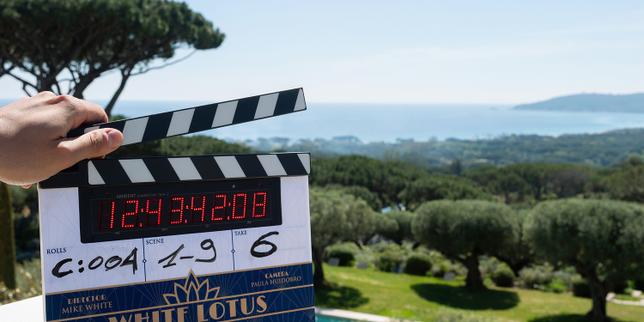
Cannes has always been a city that confuses its own reflection with reality. By welcoming the production of The White Lotus for its fourth season, the municipal government is doing more than just facilitating a film shoot; they are participating in a performance of desperate economic optimism. The mayor's office is currently touting the arrival of Mike White’s crew as a financial windfall, yet history suggests that the actual return on investment for such high-profile spectacles is rarely as advertised.
Local officials often mistake production spending for long-term economic stability. While the crew fills hotel rooms in the short term, the disruption to local infrastructure and the reliance on temporary subsidies often offset the publicized gains. This isn't a strategy for growth; it is a bid for vanity, hoping that the show’s cynical portrayal of the wealthy will somehow attract more of them to the Croisette.
The Irony of the Tax Incentive
There is a profound irony in a city rolling out the red carpet for a series that exists solely to mock the vapidity and entitlement of the leisure class. The White Lotus thrives on highlighting the friction between the served and the servers, yet the local government is treating the production with a level of subservience that would fit perfectly into one of the show's scripts. The city is essentially paying to be the backdrop of its own ridicule.
The municipal leadership expects significant economic benefits generated by this global success, viewing it as a catalyst for future tourism.
This sentiment, echoed by city planners, ignores the reality of how these productions operate. Hollywood is a mercenary industry that follows the path of least resistance and the highest tax credit. Once the cameras stop rolling and the crew moves to the next picturesque tax haven, the local economy is left with a handful of autographed photos and a spike in real estate prices that pushes the actual residents further from the center.
The Vanity Metric of Cultural Relevance
Cannes doesn't need more exposure. Every developer and digital marketer reading this knows that brand saturated markets rarely benefit from additional generic impressions. If the goal is to drive high-end tourism, the city is competing with itself. A satirical television show is not a sustainable urban development plan.
We have seen this cycle repeat in every location the series has touched. From Hawaii to Sicily to Thailand, the "White Lotus effect" leads to a brief surge in aesthetic tourism followed by a saturation that degrades the very exclusivity the show parodies. Cannes is trading its dignity for a 15-minute slot in the cultural conversation, betting that the prestige of HBO will mask the fact that the city is becoming a theme park version of itself.
The real winners here aren't the local shopkeepers or the taxpayers. The winners are the producers who secured a beautiful, subsidized playground for their next project and the streaming platform that gets to market a recognizable brand against a recognizable backdrop. Cannes is simply providing the stage and paying for the privilege of being the punchline.
UGC Videos with AI Avatars — Realistic avatars for marketing