The Invisible Connection in Your Solar Array
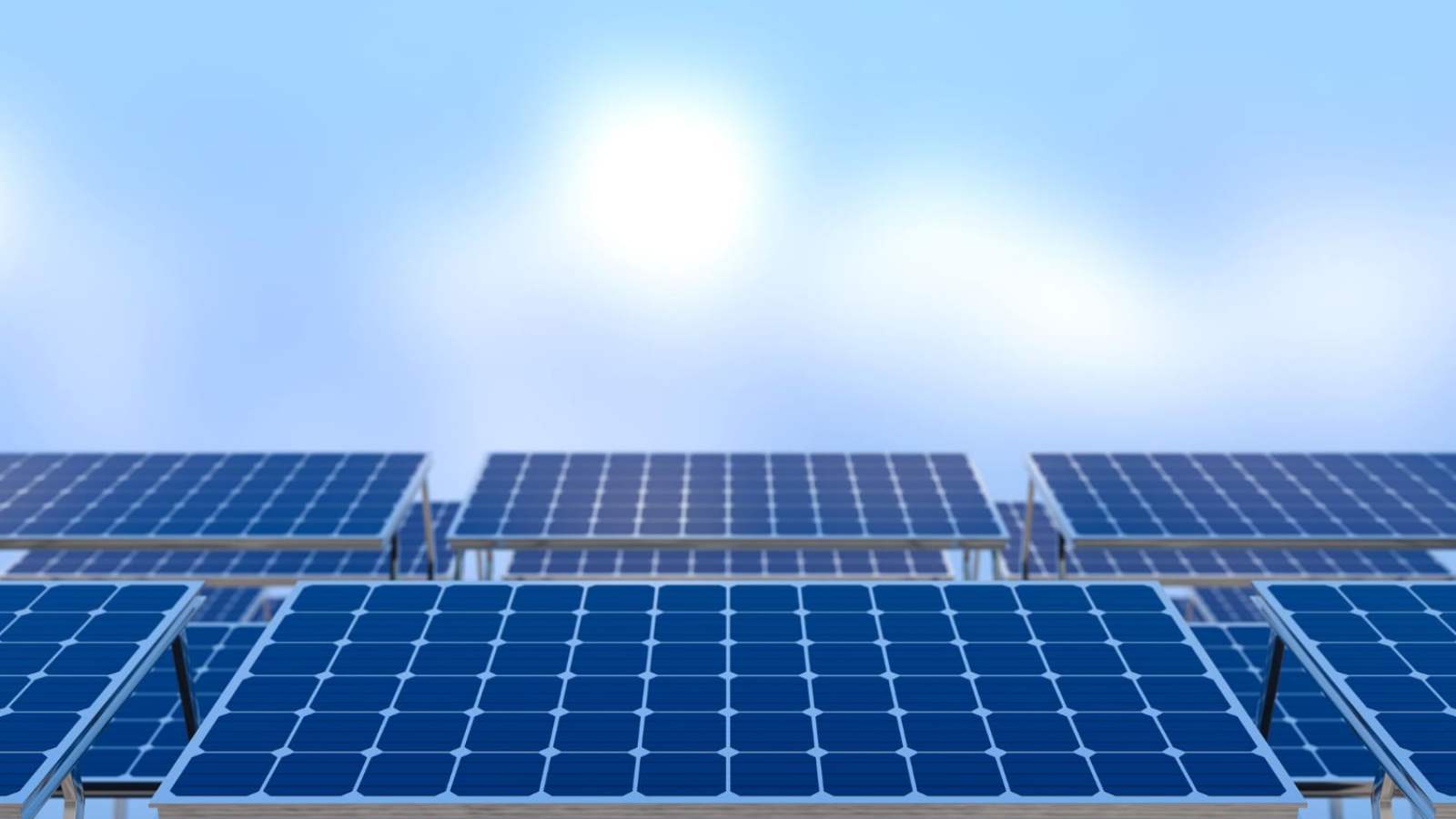
When we look at a solar farm, we see rows of glass and silicon silently soaking up the sun. We rarely think about the invisible data flowing through those panels. Each modern solar installation relies on power optimizers and inverters to manage electricity and report performance back to the grid. These components communicate using radio frequencies or signals sent through the electrical wires themselves.
Researchers have recently demonstrated that this reliance on data is a hidden vulnerability. By using a drone equipped with a specialized radio transmitter, an intruder can mimic the commands used by the system software. They do not need to touch the equipment physically or even enter the property. They simply need to be close enough for their signal to drown out the legitimate instructions from the central controller.
Think of it like a crowded room where everyone is listening to a soft-spoken narrator. If someone walks in with a megaphone and starts shouting different directions, the listeners will follow the loudest voice. In this case, the solar panels are the listeners, and the drone is the megaphone.
How a Signal Becomes a Shutdown
The vulnerability exists because many solar communication protocols were built for efficiency rather than high-level security. When these systems were designed, the primary goal was to ensure panels could talk to the inverter over long distances without using too much power. Security measures like complex encryption were often sidelined to keep the hardware simple and affordable.
- Signal Injection: A drone hovers over a solar farm and broadcasts a signal that mimics a 'critical error' or a 'shutdown' command.
- Frequency Jamming: The drone emits noise that prevents the panels from receiving timing signals, causing the system to disconnect from the grid as a safety precaution.
- Data Manipulation: By sending false performance data, a hacker can trick the system into thinking it is overheating, triggering an automatic cooling cycle or a full power cut.
For a small residential rooftop, this might only be a nuisance. However, for utility-scale solar farms that power entire towns, a coordinated drone attack could cause a sudden drop in energy supply. This puts immediate stress on the rest of the electrical grid, which must scramble to find replacement power in seconds to avoid a blackout.
Securing the Future of the Grid
The solution is not to stop using solar power, but to treat these energy assets like the computers they actually are. As we move away from centralized coal and gas plants toward distributed energy, our security strategy must change. We can no longer rely on fences and security guards to protect hardware that communicates through the air.
Implementing Authentication
Engineers are now advocating for cryptographic handshakes between every component in a solar array. This means that before a power optimizer accepts a command to shut down, it must verify a digital signature that only the authorized controller knows. Even if a drone is hovering inches away, the panels would ignore its signals because the 'secret handshake' is missing.
Designing for Resilience
Another approach involves making the systems 'locally smart.' Instead of relying entirely on a central brain for every decision, individual inverters can be programmed to recognize suspicious patterns. If a command to shut down arrives while the sun is at its peak and there are no other grid issues, the system could flag the instruction as a potential attack rather than executing it blindly.
Now you know that the transition to green energy is as much a challenge for cybersecurity as it is for physics. Protecting our power supply now requires shielding our signals as carefully as we maintain our hardware.