




The Digital Panopticon: How Urban Infrastructure Became the Ultimate Spyglass
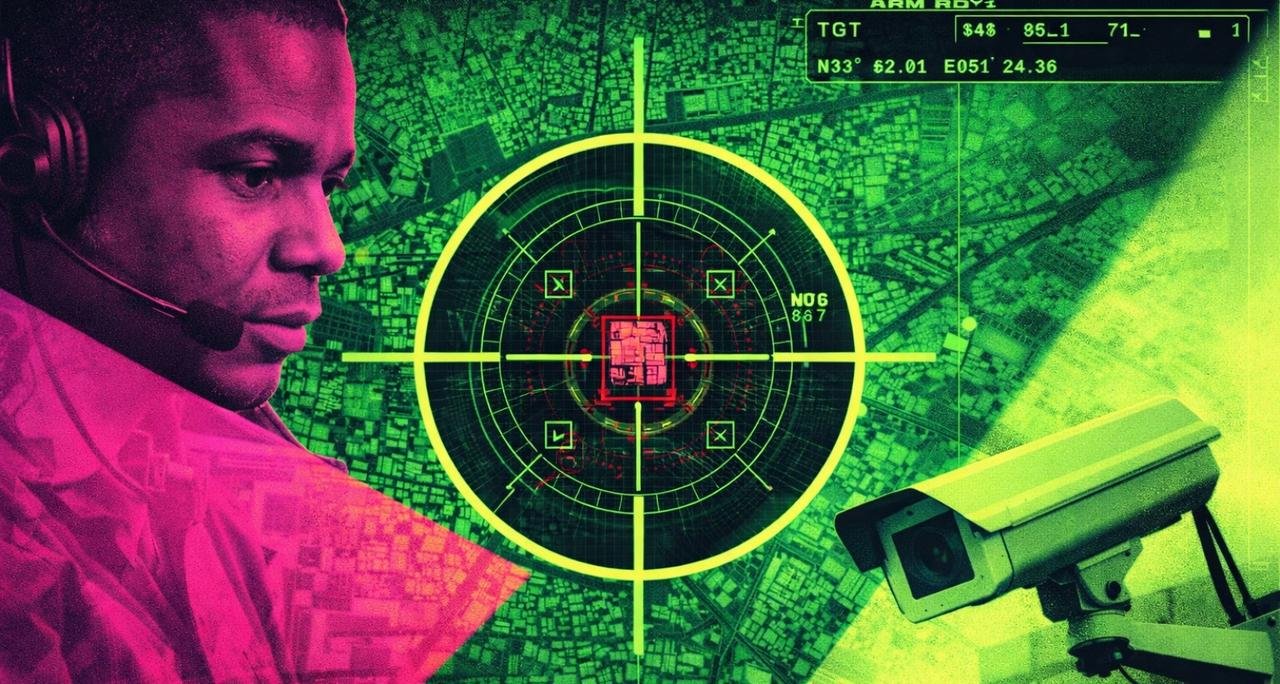
The Illusion of Urban Privacy
Most observers look at a modern city and see a complex network of logistics, transit, and commerce. They are wrong. In the context of modern intelligence, a capital city is no longer a collection of buildings; it is a high-fidelity sensor array that captures every movement, transaction, and digital footprint of its inhabitants.
The recent precision strikes we have witnessed across global flashpoints are not merely triumphs of ballistics. They are the final act of a long-form data collection play where the stage itself—the city—has been rigged to monitor the actors. When an entire metropolitan area is wired for surveillance, the concept of a 'hidden' target becomes an architectural impossibility.
The success of a military strike does not depend solely on firepower. Behind the missiles lies a hidden layer of intelligence.
That hidden layer is precisely where the battle is won. If you can track the power consumption of a specific block or the MAC addresses moving through a secure perimeter, you don't need a spy on the ground. You have the infrastructure itself doing the work for you, often with terrifying accuracy and zero human error.
Infrastructure as an Intelligence Asset
We often talk about smart cities as a convenience for the middle class, promising shorter commutes and efficient waste management. In reality, the integration of IoT sensors, facial recognition cameras, and automated license plate readers has turned urban management into a turnkey intelligence operation. Data points are the new ammunition, and every transit card swipe is a telemetry update.
Modern intelligence agencies have realized that they don't need to infiltrate a target's inner circle if they can simply monitor the pulse of the city around them. By aggregating disparate data streams—traffic patterns, mobile network pings, and even food delivery logs—they can build a digital twin of a target's life. This isn't just surveillance; it is the weaponization of the environment.
The Death of the Safe House
The traditional concept of a 'safe house' is a relic of the twentieth century. In an era where thermal imaging can see through walls and acoustic sensors can pick up whispers from a mile away, physical concealment is a myth. Technology has moved faster than tactical doctrine, leaving those who rely on old-school tradecraft exposed to high-altitude consequences.
- Connectivity is the enemy of anonymity.
- Urban density provides more data, not more cover.
- Static defenses are useless against dynamic data analysis.
When an entire capital is converted into a tool for the state or its adversaries, the very notion of a secure perimeter evaporates. Every piece of hardware that makes a city 'modern' doubles as a node in a vast, invisible dragnet. Founders building in the defense space should take note: the future of conflict isn't in better hardware, but in better data synthesis.
The Geographic Trap
There is a peculiar irony in the way authoritarian regimes build up their capitals as symbols of strength while inadvertently creating a laboratory for their own monitoring. By centralizing power and infrastructure, they create a single point of failure where the data flows are easiest to intercept. Complexity is a liability in the age of signals intelligence.
Modern warfare relies on the ability to turn a city's own signals against its defenders.
This reality forces a total rethink of how we perceive security. If the street lamps, the cell towers, and the subway gates are all reporting back to a central brain, then the city is no longer a sanctuary. It is a transparent box. The entities that control the flow of this information hold more power than those who command the tanks on the ground.
Ultimately, the transformation of a capital into a surveillance tool is the logical conclusion of our obsession with connectivity. We traded privacy for efficiency, and in doing so, we handed the keys of the kingdom to anyone with the technical prowess to listen. The city hasn't just been monitored; it has been indexed and mapped for destruction. Time will show that the most dangerous place to be is exactly where the sensors are most dense.

AI Video Creator — Veo 3, Sora, Kling, Runway