




The Deleted Archive: Digital Silence and Survival in Niger
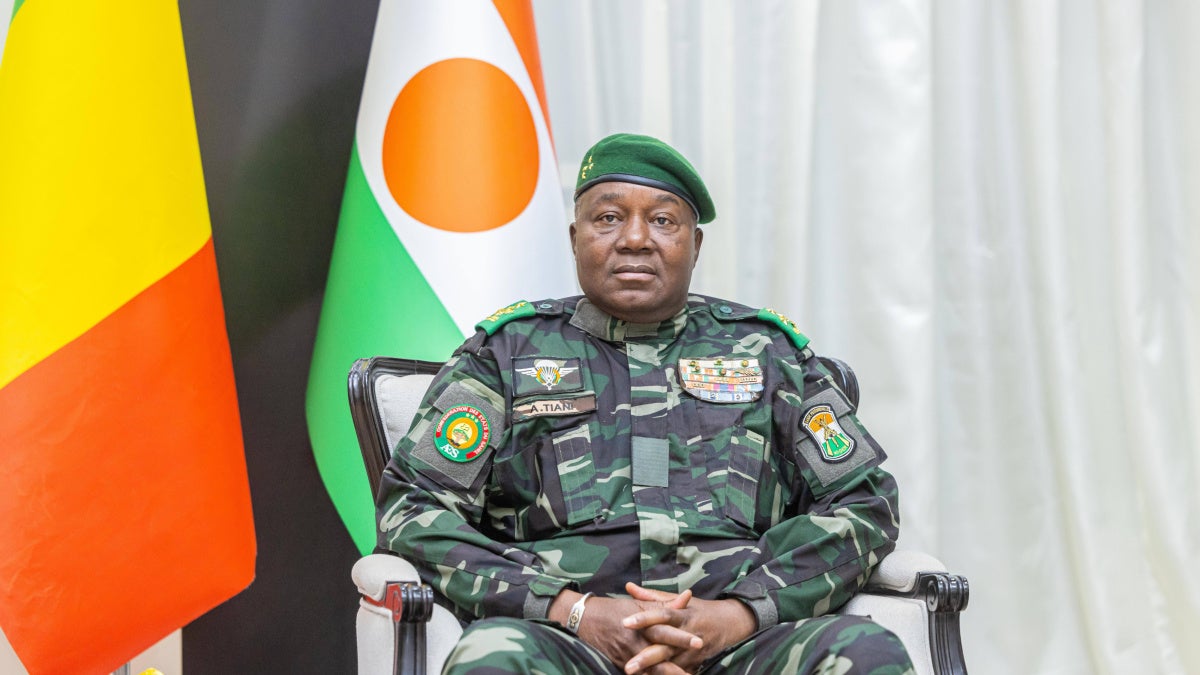
Souleymane sat in the back of a shared taxi in Niamey, his thumb moving with a practiced, rhythmic precision. He was not clearing his inbox or browsing a personal feed, but deleting his digital footprint, one conversation at a time. A graphic designer by trade, he had recently shared a satirical cartoon about the regional military coalition. As the car approached the dust-swept security checkpoint near the Kennedy Bridge, he knew that a soldier with a quick eye and an open phone could alter his life forever.
The military administration that took control of Niger three years ago has altered the rhythm of everyday existence. What began as a sudden political shift has settled into a quiet, pervasive climate of apprehension that reaches far beyond government offices. It exists in the silence of group chats, the hesitation before hitting send, and the deliberate blankness of smartphone screens. The digital spaces that once promised connection have become primary sites of vulnerability.
For many in the capital, the internet is no longer a public square but a series of narrow, walled pathways. The junta’s tightening grip has dismantled democratic institutions, but its most profound impact is felt in this daily, intimate self-censorship. To live under this regime is to understand that your personal data is a potential piece of evidence.
The Architecture of Silence in Niamey
The physical presence of the military is impossible to ignore in Niamey, where concrete barriers and young men in fatigues dictate the flow of traffic. But the digital barriers are quieter, woven into the very fabric of
Faceless Video Creator — Viral shorts without showing your face