




The Data Behind the Gender Gap in Alternative Music Festivals
The 10 Percent Reality of Mainstream Music Lineups
While the digital music market grew by 10.2 percent globally last year, the gender distribution on festival stages remains statistically stagnant. In major European rock circuits, female-led acts or all-female bands frequently account for less than 15 percent of total bookings. This disparity creates a market inefficiency where a significant portion of the talent pool is underutilized, leading to repetitive programming and diminishing returns for aging festival brands.
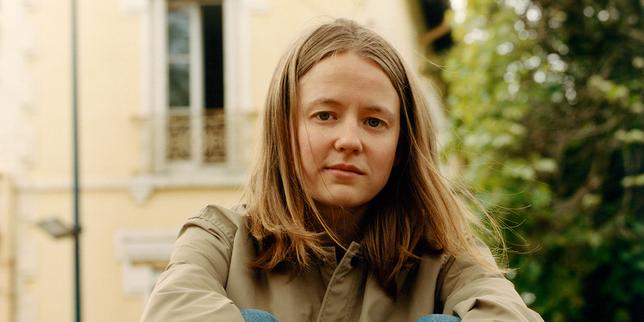
Lola Frichet, bassist for the French band Pogo Car Crash Control, identified this imbalance through a simple visual protest: the slogan "More Women on Stage" taped to her instrument. What began as a personal statement has transitioned into a structural intervention. The fifth iteration of her festival, scheduled for June 12 at Petit Bain in Paris, serves as a proof of concept for a more balanced live music economy.
The project functions as a specialized incubator for female talent in genres historically dominated by male performers. By creating a dedicated platform, Frichet addresses the supply chain issue in the music industry. Booking agents often cite a lack of available female headliners, yet without high-visibility performance slots, these artists cannot build the touring data required to secure those very positions.
Structural Barriers and the Cost of Homogeneity
The lack of diversity in rock music is not merely a social issue; it is a financial bottleneck. Data from streaming platforms indicates that younger demographics prioritize discovery and variety, yet traditional festival curation often relies on legacy acts to ensure ticket sales. This reliance creates a high-risk environment where the failure of a single headliner can jeopardize an entire season's revenue.
- Pipeline Attrition: Female musicians often exit the industry at higher rates due to a lack of professional infrastructure and safer touring environments.
- Marketing Blind Spots: Promoters frequently overlook the purchasing power of female fans within the metal and punk subcultures, who represent approximately 40 percent of the audience but see themselves reflected in only 5-10 percent of the performers.
- Data Gaps: Algorithms used by talent buyers are trained on historical data, which inherently favors established male acts, creating a feedback loop that suppresses new entrants.
Frichet’s initiative bypasses these gatekeepers by establishing an independent ecosystem. By controlling the venue, the lineup, and the promotion, the festival demonstrates that there is a measurable demand for diverse lineups. This model provides the hard attendance data that larger corporate promoters require before shifting their own booking strategies.
Quantifying the Shift in Live Performance Demographics
The movement led by Frichet coincides with a broader push for transparency in festival contracts. Organizations like Keychange have urged festivals to commit to a 50/50 gender balance by 2022, yet progress remains uneven across different regions and genres. Rock and electronic music continue to lag behind pop and R&B in achieving these benchmarks.
Success in this sector requires more than occasional inclusion; it necessitates a redesign of the talent scouting process. More Women on Stage utilizes a community-driven approach to identify emerging artists who are often invisible to mainstream labels. This decentralized scouting method reduces the overhead costs typically associated with A&R while increasing the hit rate for discovering fresh talent.
"It is not enough to just say we need more women; we have to build the stage where they can actually play,"
The fiscal impact of these initiatives will be felt over the next 24 to 36 months as more independent festivals adopt similar quotas. We expect to see a 12 percent increase in female representation across mid-tier European festivals by the end of 2026, driven largely by the success of niche movements that prove the commercial viability of diverse rosters.

AI Video Creator — Veo 3, Sora, Kling, Runway