




The Dangerous Myth of the Armed Amateur
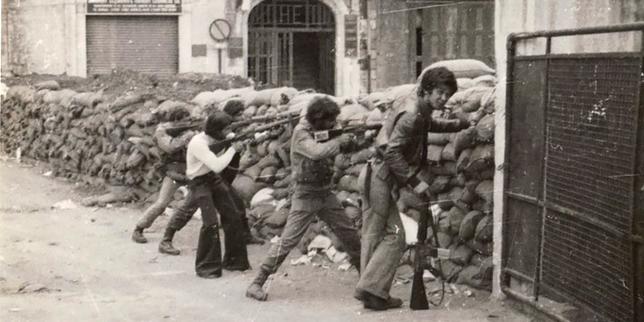
Every generation of political extremists eventually confronts the gap between keyboard heroism and actual conflict. We are currently seeing this play out in modern conflict zones, where online ideologues fly in to find a cause, only to realize that real combat does not care about their aesthetics. This is not a new phenomenon. In fact, the blueprint for this specific brand of delusion was drawn in 1976, when a group of young, untrained French far-right militants packed their bags for Beirut.
They went to fight alongside the Christian Phalanges during the Lebanese Civil War. They had zero military experience, no understanding of the local dynamics, and an abundance of romanticized propaganda. Decades later, this disastrous escapade is still treated as a holy myth in nationalist circles. It is time to dismantle that myth.
The Romanticization of Absolute Amateurs
The mid-1970s in France was a period of political frustration for the radical right. Defeated at the ballot box and intellectually marginalized, young militants from groups like Ordre Nouveau and GUD craved action. When Lebanon erupted into civil war, they saw a convenient stage. They cast themselves as crusaders defending Western civilization, ignoring the reality of a complex, multi-sided sectarian conflict.
These young men were not soldiers; they were tourists with rifles. Military utility cannot be conjured out of thin air by ideological fervor. The Lebanese Christian militias they sought to assist quickly realized that these foreign volunteers were more of a liability than an asset. They lacked basic tactical training, did not speak the language, and underperformed under fire.
They were seeking a rite of passage, a way to prove their virility in a world they believed had grown soft and decadent.
This quote from a contemporary chronicler of the movement exposes the core truth of the endeavor. It was never about saving Lebanon. It was about self-absorbed identity construction. The tragedy, of course, is that real people died to satisfy this thirst for adventure.
How Propaganda Rewrites Defeat into Legend
If the military campaign was an objective failure, the public relations campaign was a masterclass in survival. Upon returning to France, the survivors and their political allies set about transforming a disorganized, brief stint in the Levant into an epic saga. They wrote books, published magazines, and created a cult of martyrdom around those who did not return.
This manufactured mythology served a very specific purpose. It allowed a marginalized political subculture to claim they had shed blood for their beliefs, elevating them above their domestic rivals. A bad military defeat can easily be repackaged as a glorious lost cause if your audience is desperate enough to believe it.
We see the exact same pattern today. Modern extremist forums are filled with the same romantic imagery, urging young men to abandon their comfortable lives to fight in foreign wars they do not understand. The medium has changed from printed pamphlets to encrypted chat groups, but the underlying pathology remains identical.
The Price of Ideological Tourism
The lesson of 1976 is that ideological tourism always ends in disillusionment or death. The phalangists themselves eventually sidelined the French volunteers, preferring disciplined, local fighters who actually had skin in the game. The foreign fighters were left to realize that they were merely pawns in a local power struggle that had nothing to do with European political theories.
History has a habit of humoring those who try to live out their fantasies in real-world combat zones, right up until the shells start landing. The French militants who went to Beirut in 1976 were not heroes, nor were they significant historical actors. They were lost youths who mistook a brutal civil war for a playground for their personal identity crises. It is a lesson today's digital soldiers would do well to learn before they buy a plane ticket.
AI PDF Chat — Ask questions to your documents