




The Compliance Trap: Why Singapore’s High Trust Culture Costs Citizens Millions in Scams
The Statistical Reality of the Obedience Tax
In 2023, Singaporean residents lost a total of $651.8 million to various scams, a figure that highlights a deep-seated vulnerability in one of the world's most digitally secure nations. While technical infrastructure remains world-class, the human operating system is failing. The data suggests that the very traits that make Singapore a stable society—trust in authority and high levels of civic compliance—are being weaponized by criminal syndicates.
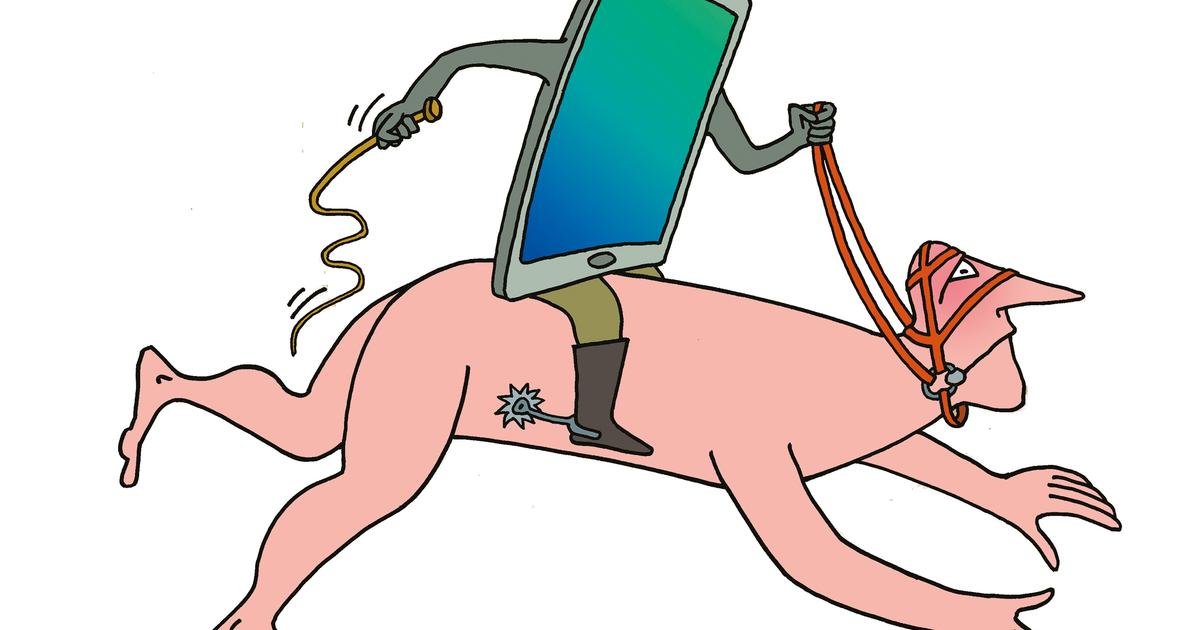
Scammers have shifted their focus from technical hacking to social engineering, specifically targeting the psychological impulse to obey official directives. By impersonating officers from the police, the Monetary Authority of Singapore, or tax departments, these actors create a high-pressure environment where the victim's first instinct is to cooperate to maintain their standing as a 'good citizen.' This behavioral pattern creates a direct path for capital flight from private bank accounts to illicit offshore wallets.
The Architecture of the Government Impersonation Scam
The mechanics of these financial drains follow a predictable, three-stage sequence that exploits bureaucratic familiarity. Analysis of recent case files indicates that the average victim is not a digital novice, but often a middle-class professional accustomed to interacting with efficient government e-services. The sequence typically unfolds as follows:
- The Authority Hook: A notification arrives, often via a spoofed number or a compromised messaging account, alleging a legal infraction or a pending investigation into the recipient's bank account.
- The Compliance Test: Victims are directed to a secondary 'official' who provides a badge number or case file, reinforcing the illusion of legitimacy through procedural detail.
- The Asset Migration: Under the guise of 'safekeeping' or 'verification,' the victim is instructed to move funds into a government-controlled account, which is actually a mule account controlled by the syndicate.
The efficiency of these operations is staggering. In some instances, the time from the initial contact to the final transfer is less than 180 minutes. This speed prevents the victim from consulting with family members or bank representatives who might interrupt the script.
Why Traditional Cybersecurity Measures Are Failing
Standard defensive layers like multi-factor authentication and encrypted messaging do little to stop a user who is voluntarily authorizing a transaction. When a citizen believes they are following a lawful order, they bypass their own security protocols. Singapore Police Force data indicates that government official impersonation scams accounted for the highest average losses per victim, despite being lower in total volume than job or investment scams.
"The threat has evolved from 'how do we break into the system' to 'how do we convince the person with the keys to open the door for us.'"
The paradox is clear: the more a population respects its institutions, the easier it is for a criminal to wear the mask of that institution. This is not a failure of software, but a failure of social trust management. Educational campaigns that focus on 'not clicking links' are insufficient when the attacker uses a phone call to build a rapport based on fear and civic duty.
The Demographic Shift in Victimology
Contrary to the belief that only the elderly are vulnerable, internal metrics from financial institutions show a rising trend among individuals aged 20 to 39. This cohort is highly comfortable with digital banking but also highly responsive to digital administrative prompts. Their reliance on frictionless transactions means they often process 'official' requests with the same speed they use for e-commerce or food delivery, reducing the cognitive friction necessary to spot a fraud.
As Singapore moves toward more aggressive anti-scam legislation, including the potential for banks to share liability for losses, the core issue remains behavioral. The government is currently testing 'kill switches' that allow users to freeze their accounts instantly, but these require the victim to realize they are being manipulated—a realization that often comes 24 hours too late. By 2026, expect to see AI-driven behavioral biometrics become mandatory in banking apps to detect the 'hesitation patterns' typical of a user being coached through a scam over the phone.

AI Image Generator — GPT Image, Grok, Flux