




The Community Fallacy: Why Tech Cannot Code Real Human Connection
Silicon Valley has spent the last decade trying to productize human connection. We have been sold a bill of goods about digital neighborhoods, decentralized support groups, and AI-driven mental health platforms. But the most valuable networks in the world cannot be built on an assembly line of code, and they certainly do not care about daily active users.
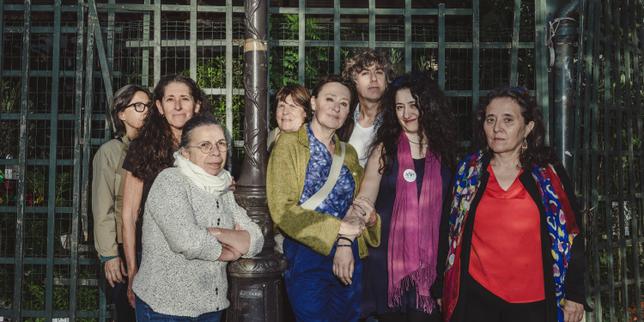
Look at how real human resilience actually scales. During the grueling trials of the November 13 terror attacks in Paris, a group of survivors and victims\' families began meeting in a local bar. They did not launch a Discord server; they ordered drinks. Over time, this evolved into a permanent, monthly ritual that now welcomes survivors of other tragedies. They gather not to optimize their healing, but to laugh, share practical survival tactics, and simply remind each other that they exist.
The Empty Promise of Platform-Mediated Empathy
Every modern startup pitch deck seems to contain some variation of the community play. Founders believe that if you throw enough people with a shared pain point into a Slack channel, magic will happen. It rarely does. Instead, these digital spaces quickly devolve into performative venting, moderation nightmares, or engagement-baited ghost towns.
The Parisian survivors did something platforms cannot replicate: they removed the friction of presentation. In a physical bar, there are no profiles to maintain, no upvotes to chase, and no algorithms deciding whose pain is most engaging today.
“Ici, les gens ont envie de se dire les uns aux autres, ‘je suis vivant’” (Here, people want to say to each other, “I am alive”)
This simple declaration is the antithesis of the modern social network. On platforms like X or Threads, the goal is to yell “look at me.” In a real-world sanctuary, the goal is to look at someone else and recognize your own survival in their eyes. Tech tries to scale this intimacy, but intimacy is fundamentally unscalable.
Why High-Signal Beats High-Scale Every Time
Software developers are obsessed with scale. If a system cannot handle a million concurrent users, it is deemed a failure by venture standards. Yet, the efficacy of a support network is often inversely proportional to its size.
When you expand a community to include everyone, you dilute the shared reality that made it valuable in the first place. The Paris group remains potent because its entry barrier is incredibly high and tragic. You cannot buy your way in, you cannot lurk, and you cannot hide behind an avatar.
This is a lesson for anyone trying to build customer loyalty or brand advocacy. The strongest networks are exclusive, not because of artificial scarcity, but because of shared, lived truth. When you try to design a digital space for everyone, you end up building a sterile forum that serves no one.
The Illusion of Digital Safe Spaces
We have spent billions of dollars building safe spaces online, only to find they are neither particularly safe nor genuinely spacious. The mistake lies in believing that safety is a product of moderation guidelines, blocklists, and automated filters.
True safety comes from shared physical presence. In a room where everyone has looked at the same dark abyss, there is no need for trigger warnings or carefully polished language. You can speak plainly, or better yet, you can choose not to speak about the tragedy at all.
The survivors monthly meetings are not structured therapy sessions. They are opportunities for lightness, humor, and irreverence. Try expressing dark, survivalist humor on a mainstream social media platform without getting flagged by an automated safety system; you cannot do it, because algorithms lack context, and context is the exact thing that makes human recovery possible.
The Un-Platformable Future
Our industry needs to humble itself. Not every human need is a software problem waiting for an elegant API. The most critical infrastructure we have is still made of wood, glass, and table service.
As we enter a cycle dominated by AI-driven companions and synthetic interactions, the demand for un-platformable spaces will only grow. People do not want more features; they want more reality.
The monthly gathering in that Parisian bar is a stark reminder of what actual connection looks like. It is messy, it is local, and it is entirely offline. If you want to build something that truly lasts and actually helps people, stop looking at your screen and start looking at the room you are standing in.
AI Film Maker — Script, voice & music by AI