




The Architecture of a Modern Heist
The Quiet Vulnerability
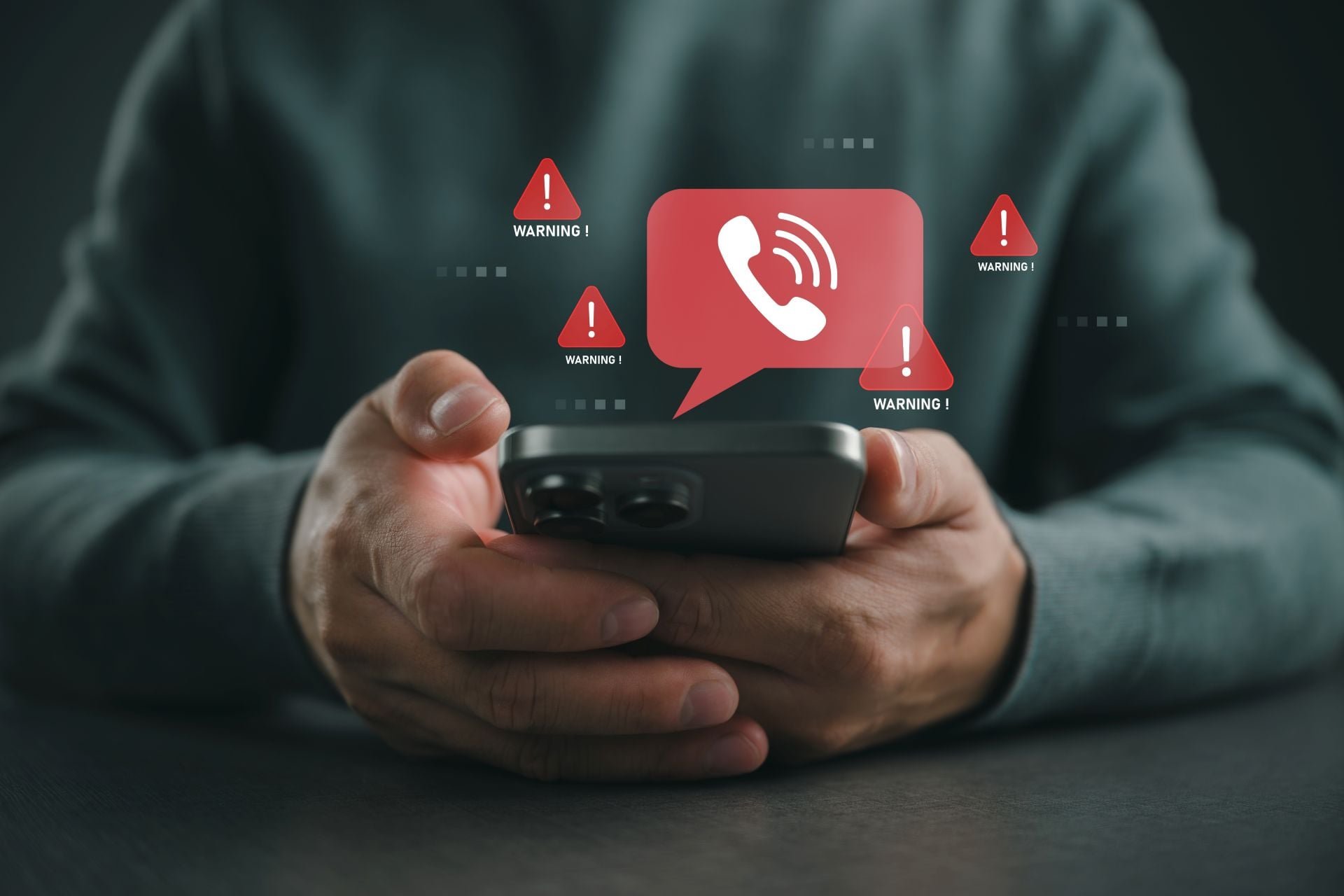
When Sophie, a graphic designer in Bordeaux, received a phone call from what appeared to be her bank’s fraud department on a Tuesday afternoon, she didn’t hesitate to answer. The voice on the other end was calm, professional, and possessed an unsettling amount of information about her recent purchases. He didn’t ask for her password; he asked if she had authorized a payment for a high-end camera in a city she hadn’t visited in years.
This interaction illustrates a shifting tide in the world of digital theft where technical bypasses are replaced by psychological precision. More than a million bank accounts have recently become the focal point of a sophisticated data harvesting effort that bypasses traditional firewalls. It is a reminder that while we have fortified our digital vaults, the human element remains the most accessible entry point for those who know how to speak the right language.
We often think of cybercrime as a series of complex code injections or server breaches, but the current wave of fraud relies on the intimacy of our daily routines. By gathering shards of personal data from various corners of the web, attackers construct a mirror image of our financial lives. They know when we get paid, where we shop, and how we likely react to a crisis.
The Weight of Vanishing Trust
The scale of the current situation is staggering, with over 1.2 million accounts reportedly compromised through various deceptive means. This isn’t just a statistic for a quarterly report; it represents a massive breach of the unspoken contract between citizens and the institutions that hold their livelihoods. When a phone vibrates, we now experience a flicker of anxiety rather than the simple anticipation of a message.
The most dangerous part of this theft isn’t the loss of currency, but the slow erosion of our ability to trust the voices on the other end of our devices.
Security experts note that these operations are no longer the work of lone actors in dark rooms but organized entities with scripts, training, and a deep understanding of social engineering. They exploit the very features designed to make our lives easier, such as instant notifications and seamless mobile banking interfaces. Our desire for friction-less living has inadvertently created a path for those who wish to exploit that lack of resistance.
It feels like a violation of the home, Sophie remarked later, describing the moment she realized the caller was not a bank employee but a predator. The realization often comes too late, long after the digital signatures have been forged and the funds have moved across borders. The speed of the modern financial system, while convenient for commerce, provides a perfect veil for the rapid disappearance of assets.
Reclaiming the Digital Perimeter
To combat this, we are seeing a return to more deliberate, slower forms of verification. Banks are increasingly asking their clients to ignore the convenience of a direct link or a helpful caller and instead return to the source. It is a strange reversal of progress, where the safest action is to hang up the phone and walk to a physical branch or dial a known number manually.
This friction is becoming a necessary part of our digital hygiene. Living in a world where 1.2 million people can have their privacy upended in a single campaign requires a different kind of vigilance. We are learning to doubt the familiar, to question the professional tone of a stranger, and to protect our data with the same fervor we once used for physical heirlooms.
As we navigate this new era of digital vulnerability, we have to ask ourselves what the cost of our connectivity truly is. The technology is not changing, but our relationship to it must. We are no longer just participants in a digital economy; we are the guardians of our own identities in a space that is increasingly difficult to police.
In the end, Sophie didn’t lose her savings, but she lost her sense of ease. She now checks her statements with a focused intensity, looking for the small discrepancies that might signal the next shadow at the door. We are all, in a sense, waiting for that same call, hoping we have the presence of mind to simply say nothing and listen to the silence that follows.

Free PDF Editor — Edit, merge, compress & sign