




The Arbitrage of Sleep: European Sleeper and the High-Stakes Bet on Night Rail
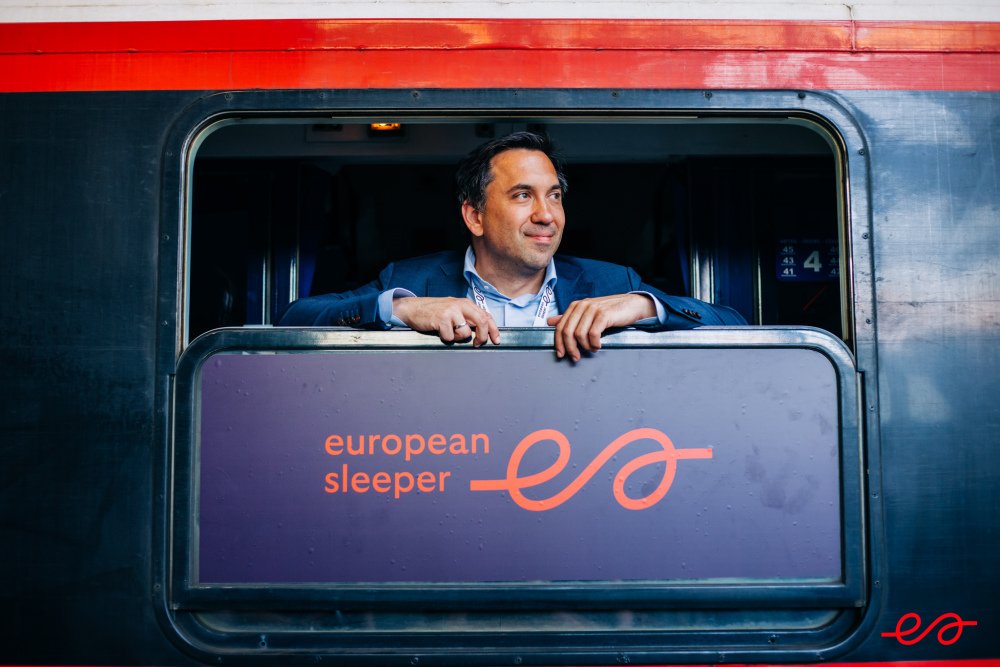
The Asset-Light Gambit in a Heavy Industry
European Sleeper is not just a transportation company; it is an attempt to arbitrage the inefficiencies of a fragmented European rail network. By launching the Paris-Berlin night route, the company is attacking a market segment that state-owned giants like SNCF and Deutsche Bahn abandoned years ago, citing prohibitive operational costs and complex logistics.
The business model relies on a lean structure that avoids the massive overhead of national carriers. While traditional operators are weighed down by legacy labor contracts and aging infrastructure, this startup operates with the agility of a low-cost carrier but with a premium pricing strategy based on convenience and time-savings. It is a play for the 'conscious traveler' demographic that is willing to pay more to avoid the friction of airport security and the carbon guilt of short-haul flights.
However, the unit economics of night trains are notoriously difficult. Unlike daytime high-speed rail, where seats can be flipped multiple times a day, a sleeper car is a single-use asset per 24-hour cycle. You sell the bed once, and the inventory is dead until the next evening. This makes high load factors and premium tiering essential for survival.
The Infrastructure Moat and the Regulatory Wall
In the tech world, we talk about network effects; in rail, we talk about track access charges and slot allocation. The primary barrier to entry isn't just buying rolling stock—which is currently in short supply globally—it is navigating the protectionist tendencies of national rail regulators.
- Inventory Constraints: There is a massive shortage of refurbished sleeper carriages in Europe. Companies are forced to bid against each other for decades-old rolling stock, driving up CAPEX before a single ticket is sold.
- The Margin Squeeze: Energy prices and track usage fees are volatile. National operators often control the tracks their competitors must use, creating a structural disadvantage for independent players.
- Cross-Border Friction: Every border crossing involves different voltage systems, signaling protocols, and safety certifications. This is a technical debt that slows down expansion and inflates engineering costs.
European Sleeper is attempting to 'hack' this by building a brand that sits on top of these logistical nightmares. They are positioning themselves as the aggregator of the night rail experience, even if they have to lease the hardware and fight for Every kilometer of track. If they can prove the demand is inelastic at higher price points, they become an attractive acquisition target for a national player looking to outsource their innovation.
Who Wins and Who Loses in the Rail War
The losers are clearly the low-cost airlines on short-haul European routes. As environmental regulations tighten and carbon taxes on aviation increase, the price gap between a budget flight and a sleeper train will narrow. European Sleeper is front-running a regulatory shift that will eventually mandate rail over air for journeys under 800 kilometers.
The goal is to make the journey part of the destination. We are not just moving people; we are reclaiming time that is usually lost to the logistics of travel.
The winners will be the platforms that control the customer relationship. If European Sleeper can own the booking data and the loyalty of the high-net-worth traveler, they can dictate terms to the rail operators who actually own the tracks. This is the software-over-hardware play applied to 19th-century infrastructure. They are betting that the modern consumer values a bed at 100km/h more than a cramped seat at 800km/h.
I am betting on the niche. The mass market will always follow the lowest price, but there is enough accumulated capital in the European professional class to support a premium, cross-border sleeper network. The real test will be the next two years of capital expenditure. If they can secure their own fleet of modern carriages rather than relying on hand-me-downs, they move from a startup experiment to a legitimate market disruptor.
AI Film Maker — Script, voice & music by AI