




The Amazonification of Illicit Markets: Why Professionalism is the New Threat
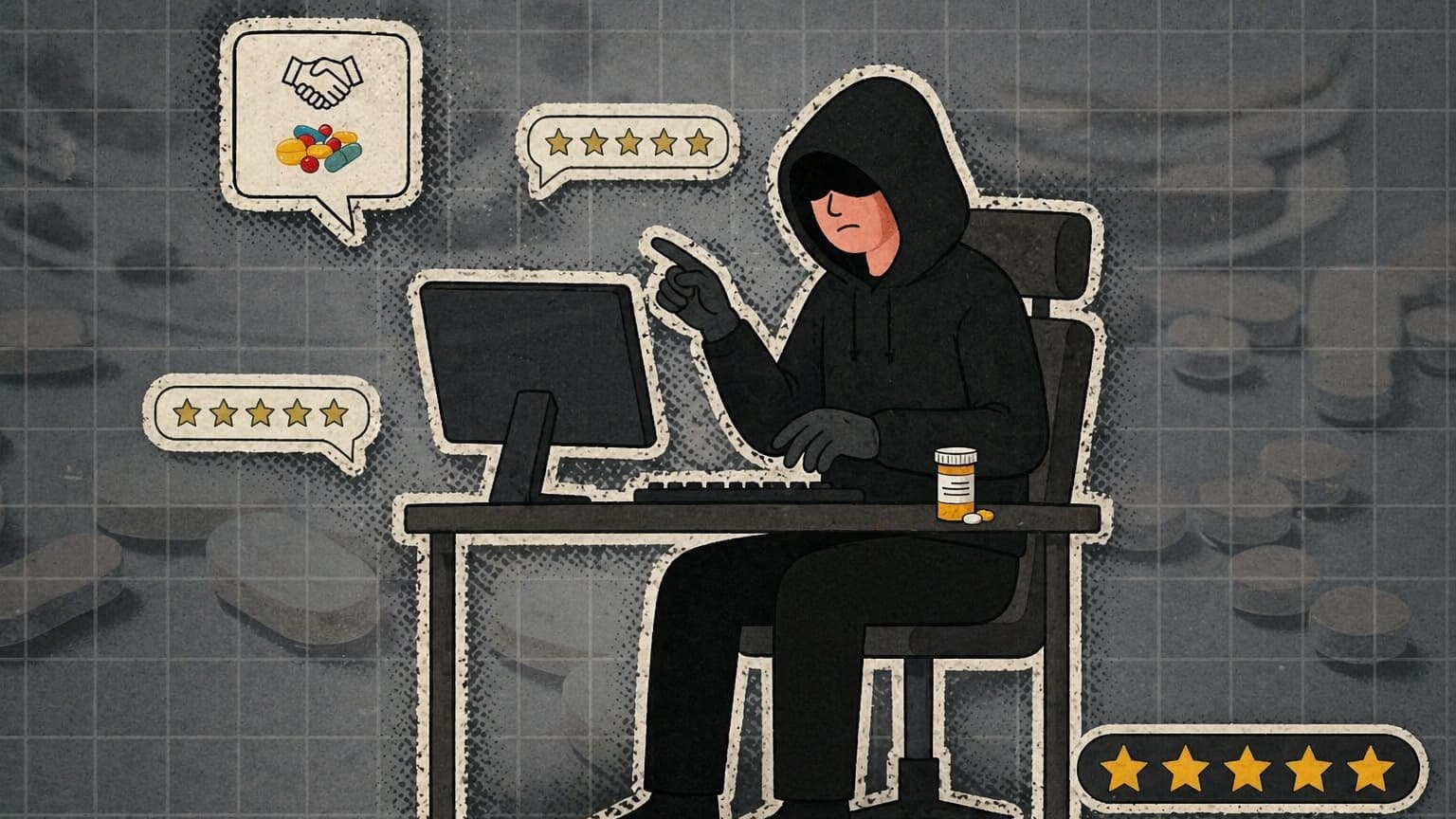
The Corporate Facade of the Darknet
Law enforcement and the general public still cling to a cinematic view of the drug trade: dark alleys, burner phones, and physical handoffs. They are missing the point entirely. The real action has moved to decentralized marketplaces that look and feel exactly like Amazon or eBay, complete with customer support, dispute resolution, and aggressive loyalty programs.
This isn't just about selling contraband; it is about the professionalization of crime. These operators aren't just traffickers anymore; they are digital product managers. They understand that in a market where the product is inherently risky, trust is the only currency that matters. By adopting the mechanics of legitimate e-commerce, they have lowered the barrier to entry for consumers who would never dream of meeting a dealer in person.
Marketing is the New Cartel Muscle
In the old world, a cartel protected its territory with violence. On the darknet, they protect their market share with search engine optimization and five-star reviews. We are seeing a shift where user experience is more valuable than physical intimidation. If a package doesn't arrive, these vendors don't disappear; they offer a reshipment or a partial refund because a single one-star review can tank a month’s worth of revenue.
The vendors on these platforms are obsessed with their brand reputation, often providing detailed product descriptions and purity tests to outcompete rivals in a crowded digital space.
The quote above highlights the absurdity of the current situation. These individuals are running sophisticated A/B tests on their storefronts. They are using data analytics to determine which shipping methods have the highest success rates. This level of operational maturity makes the traditional war on drugs look increasingly like a 20th-century solution to a 21st-century software problem.
The Illusion of Decentralization
Critics like to point out that when the FBI shuts down a site like Silk Road or AlphaBay, the market wins. But that is a surface-level reading. The real story is the resilience of the underlying infrastructure. Every time a major marketplace falls, the diaspora of vendors and customers simply migrates to a more secure, more sophisticated platform. They learn from the technical debt of their predecessors.
We are witnessing the evolution of a supply chain that is increasingly difficult to decapitate. When you take out a central server, you don't kill the demand or the distribution network. You simply force the developers to build a better, more encrypted version of the same storefront. The irony is that by targeting these platforms, authorities are inadvertently acting as a quality control filter, forcing the darknet to become more efficient.
The Customer is Always Right, Even When Buying Felony Goods
The most dangerous aspect of this shift isn't the technology; it's the normalization. When you wrap a criminal transaction in the familiar interface of a shopping cart and a tracking number, you sanitize the experience. Consumer psychology is being weaponized to expand the market to demographics that previously stayed away from illicit substances.
These platforms have realized that the friction of a traditional drug deal was their biggest competitor. By removing that friction, they have turned a high-risk activity into a mundane act of online shopping. The founders of these sites aren't thinking like Pablo Escobar; they are thinking like Jeff Bezos. They are focused on reducing churn and increasing the lifetime value of a customer.
This professionalization makes the illicit market more durable than it has ever been. Unless we stop looking for criminals and start looking for entrepreneurs with the wrong incentives, we are doomed to keep fighting a ghost in the machine. The darknet isn't a glitch; it's a version of the internet that is working exactly as its developers intended.

Free PDF Editor — Edit, merge, compress & sign