




Social Media Platforms Fuel Global Surge in Illegal Wildlife Trade
The Digitalization of Wildlife Trafficking
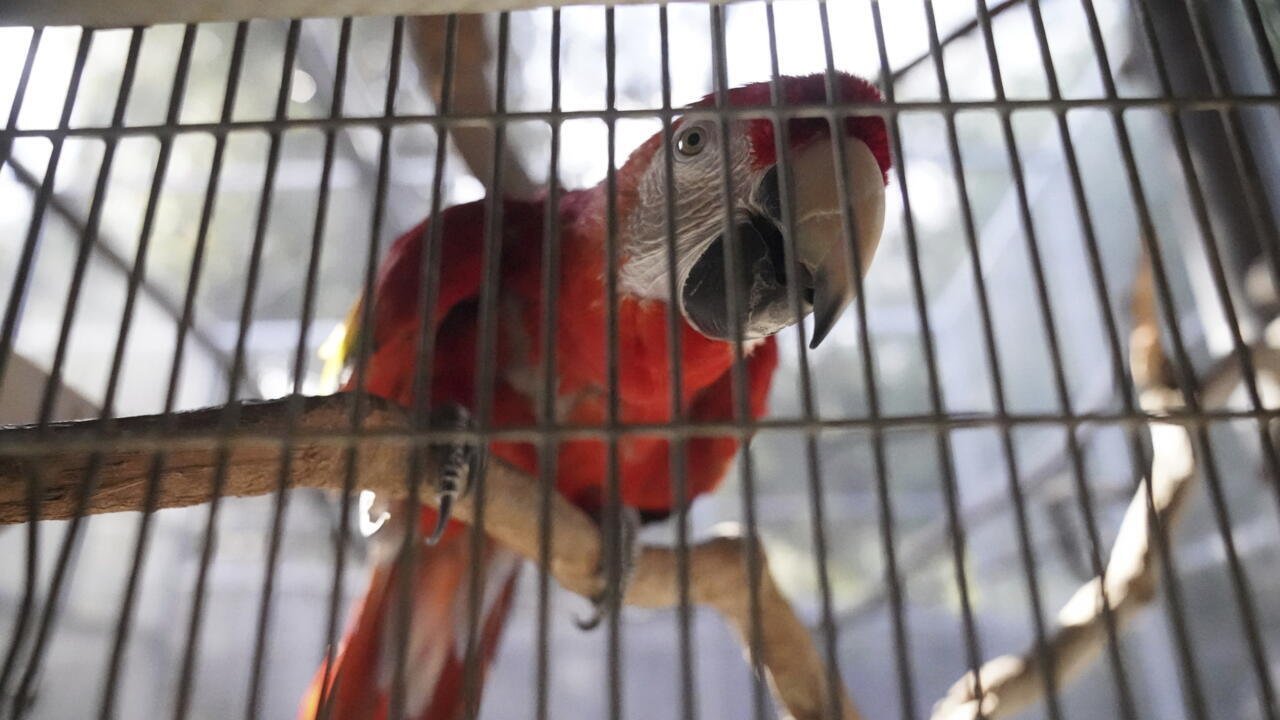
Social media platforms have evolved into the primary hubs for the global trade of exotic and protected animals. While traditional physical markets are easier for authorities to monitor, the digital space offers sellers a layer of anonymity and a direct connection to a global buyer base. Endangered macaques, tiger cubs, and rare parrots are now listed alongside consumer electronics in public feeds.
This shift to online marketplaces has removed the barriers that once limited the reach of traffickers. Transactions that previously required specialized connections are now initiated through simple keyword searches or hashtag discovery. Automated algorithms often inadvertently promote these listings to users with an interest in exotic pets, further expanding the market scale.
Regulatory Gaps and Enforcement Hurdles
Monitoring these transactions remains a significant challenge for law enforcement and conservation groups. The sheer volume of content posted daily makes manual oversight impossible. Traffickers frequently use coded language or private groups to evade detection by platform moderators. Key issues include:
- Encryption: Private messaging apps allow sellers to finalize deals away from public scrutiny.
- Global Reach: Digital borders are porous, making it difficult to prosecute sellers operating across different jurisdictions.
- Payment Methods: Use of cryptocurrencies and digital wallets complicates the tracking of financial trails.
Current platform policies often lack the specificity needed to catch sophisticated smugglers. While some tech giants have joined international coalitions to combat wildlife crime, enforcement remains inconsistent. Sellers quickly adapt by creating new accounts or migrating to less regulated platforms when one profile is flagged.
Risks to Biodiversity and Health
The rise of the online animal trade carries consequences beyond the survival of individual species. Removing animals from their natural habitats disrupts local ecosystems and accelerates the decline of biodiversity. Many species sold online are protected under CITES, meaning their trade is strictly regulated or entirely prohibited to prevent extinction.
Biosecurity poses an additional threat to human populations. The unregulated movement of wild animals increases the risk of zoonotic disease transmission. Without veterinary oversight or quarantine protocols, these digital transactions can introduce pathogens into new environments and domestic populations. The speed of modern logistics means an infected animal can move from a remote jungle to a suburban home in days.
Industry and Legislative Response
Some organizations are pushing for stricter liability for tech companies regarding the content hosted on their servers. Proposed measures include mandatory identity verification for sellers of live animals and improved AI detection for protected species. Conservationists argue that platforms must take a more proactive role in dismantling the financial incentives for traffickers.
Increased cooperation between environmental agencies and cybercrime units is becoming the standard for high-level investigations. These partnerships focus on identifying the logistical networks that fulfill the orders placed through social media. Success depends on the ability of researchers to parse massive datasets to find patterns in shipping and payment behavior.
Watch for whether international regulators will impose heavy fines on platforms that fail to scrub illegal wildlife listings from their search results.

AI Video Creator — Veo 3, Sora, Kling, Runway