




Mozilla’s DNS-over-HTTPS Pivot: A Direct Assault on the VPN Premium Model
The Commoditization of Privacy Infrastructure
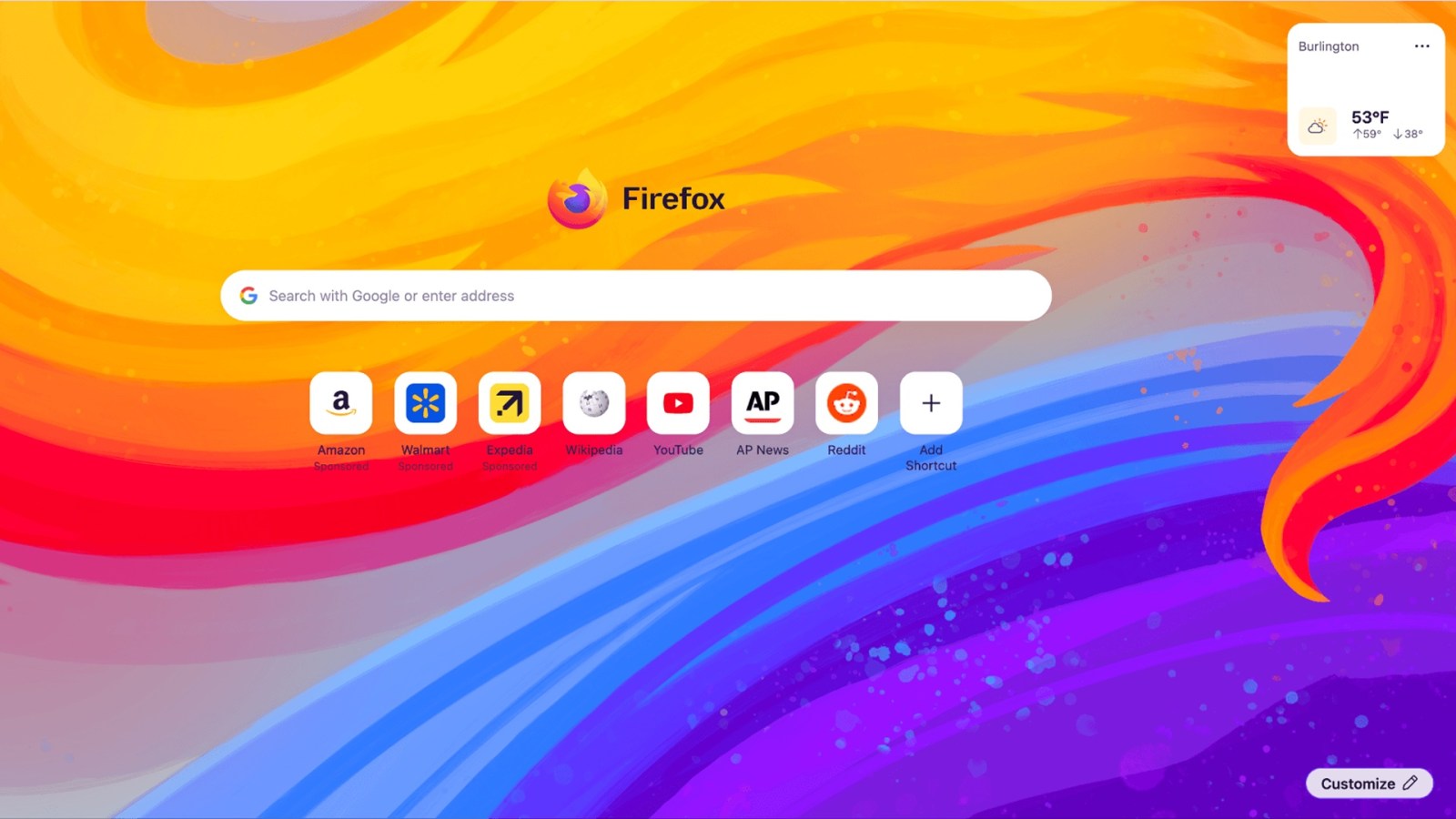
Mozilla is no longer content being the underdog browser; it is moving to absorb the core features of the paid privacy stack. With the release of version 151, Firefox has integrated native DNS-over-HTTPS (DoH) settings that effectively bake premium privacy logic directly into the browser. This is a strategic play to lower the barrier to entry for secure browsing while simultaneously stripping away the marketing use held by mid-tier VPN providers.
By automating the encryption of DNS queries, Mozilla is attacking the metadata leakage problem that has been a primary selling point for paid tools. This move signals a shift in the browser wars from performance and speed to deeper infrastructure control. Mozilla is betting that if the browser can handle the heavy lifting of encryption, the average user will have one less reason to pay for a standalone subscription.
The Threat to the VPN Business Model
The traditional VPN market is built on a simple arbitrage of fear and technical complexity. Most users pay $10 a month simply to ensure their ISP cannot see their traffic logs or intercept their requests. Mozilla’s move turns this premium feature into a standard utility, effectively zeroing out the unit economics for low-end privacy apps.
- Margin Compression: As browsers integrate DoH and ODoH (Oblivious DNS-over-HTTPS), the perceived value of a $100/year VPN subscription collapses for non-power users.
- Platform Lock-in: By managing the DNS layer, Mozilla creates a tighter relationship with the user, making it harder for third-party security suites to justify their footprint.
- ISP Disintermediation: This move cuts traditional ISPs out of the data monetization loop, moving the point of control entirely to the browser client.
We are seeing a consolidation of the security stack where the application layer is eating the network layer. For companies like NordVPN or ExpressVPN, the challenge is now to prove they offer more than just a tunnel that the browser provides for free.
Strategic Moats and the Metadata War
The real battle isn't over the content of the data, but the intent signals hidden in DNS requests. Every time a user looks up a domain, they leave a digital footprint that ISPs and advertisers crave. By defaulting to encrypted DNS providers like Cloudflare or NextDNS, Firefox is redirecting the flow of this valuable metadata away from telecom giants.
As privacy becomes a default expectation rather than a premium add-on, the companies that control the entry point to the internet will dictate the terms of data exchange.
Firefox is positioning itself as the trust broker in this new ecosystem. While Google Chrome faces internal conflicts of interest due to its massive ad business, Mozilla has the freedom to weaponize privacy as a competitive advantage. This is a classic flanking maneuver: use a free feature to destroy the pricing power of a neighboring industry.
The Long-Term Bet
I would bet against mid-market VPN providers who rely solely on basic encryption features. The real value is moving toward Zero Trust architectures and localized mesh networking. Mozilla has correctly identified that in a world of ubiquitous encryption, the browser is the only moat that matters. If you don't own the endpoint, you don't own the user.

AI Video Creator — Veo 3, Sora, Kling, Runway