




Massive iPhone Exploit Discovered: What it Means for Your Remote Security
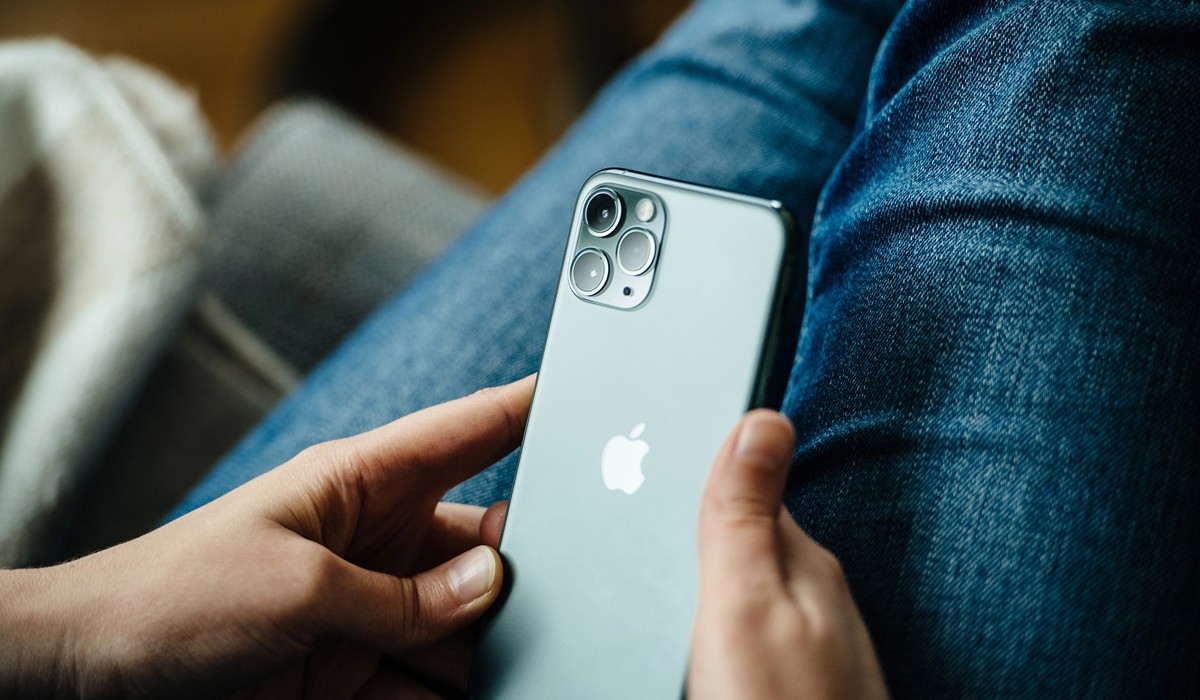
If you rely on iOS for your team's hardware because you think it is impenetrable, this latest security breach should serve as a wake-up call. A sophisticated hacking tool has successfully infected tens of thousands of iPhones, bypassing the standard security protocols that typically keep the Apple ecosystem locked down. This is not just a theoretical exploit; it is a live campaign that has been operating under the radar for an extended period.
How did this breach bypass Apple's security?
The attackers utilized a chain of zero-click vulnerabilities. Unlike traditional phishing where a user must click a malicious link, these exploits can execute code without any user interaction. This makes them particularly dangerous for high-value targets who follow standard security best practices but remain vulnerable to silent background processes.
- Zero-Click Execution: The malware arrives via invisible messages that trigger a system response before the user even sees a notification.
- Persistence: While many iOS exploits disappear after a reboot, this tool attempted to establish a more permanent presence by exploiting the kernel.
- Data Exfiltration: Once inside, the tool gains access to encrypted messages, microphone data, and real-time location tracking.
For builders, this highlights a critical flaw in relying solely on OS-level security. If your product handles sensitive user data, you cannot assume the device it sits on is a trusted environment. You must build your application logic with the assumption that the underlying hardware could be compromised.
What are the implications for product developers?
This incident shifts the conversation from "is iOS safe?" to "how do we protect data on an unsafe device?" Developers need to rethink their security architecture, especially when dealing with authentication tokens and locally stored sensitive information.
Standard encryption is often bypassed if the attacker has root access to the device. You should consider implementing additional layers of protection within the app itself. This includes certificate pinning to prevent man-in-the-middle attacks and ensuring that sensitive keys are stored in the Secure Enclave, though even that is not a silver bullet against kernel-level exploits.
Monitoring for unusual behavior is now a requirement. If your app starts seeing strange API call patterns or unexpected data transfers, your system should be able to flag that device as compromised. Do not wait for a system-level patch from Apple to protect your users' data.
How can you harden your deployment against these threats?
Security is a process, not a state. You need to move away from the idea that certain platforms are inherently safe. Start by auditing your mobile application's data footprint. If you do not need to store it on the device, move it to a secured server environment.
- Minimize Local Storage: Keep the amount of sensitive data stored in
UserDefaultsor local databases to an absolute minimum. - Implement Lockdown Mode: For users in high-risk environments, encourage the use of Apple's Lockdown Mode, which disables many of the features these exploits target.
- Update Schedules: Force mandatory app updates when security patches are released to ensure your users are running the latest, most secure versions of your software.
Watch for the technical breakdown of the specific iMessage entry point used in this attack. As more details emerge, you will likely need to adjust your networking stack to account for these specific vulnerabilities. Check your logs for anomalous traffic originating from iOS devices that doesn't match typical user behavior patterns.
UGC Videos with AI Avatars — Realistic avatars for marketing