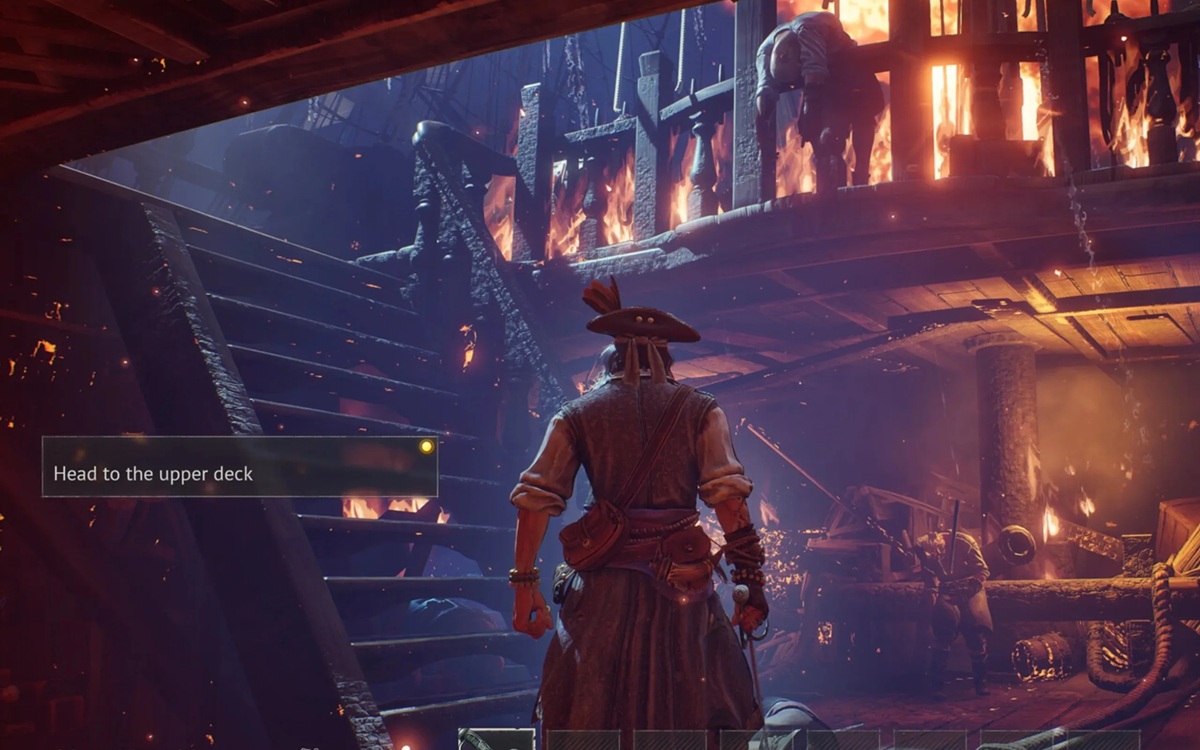
The Mechanics of a Modern Pirate Hit
Most players remember the specific thrill of steering a heavy wooden ship through a digital storm, cannons roaring as the hull creaks under the pressure of the waves. For years, that specific itch was mostly scratched by big-budget titles, but a new contender named Windrose has proven that the appetite for naval adventure is larger than anyone anticipated. Within days of its early access launch, the game surpassed one million downloads, signaling a shift in what players want from the survival genre.
At its core, the game functions as a cooperative survival experience. Unlike solo adventures where you are the sole hero, this title treats the ship as a living organism that requires a coordinated crew to function. You aren't just clicking a button to fire a cannon; you are managing resources, repairing leaks in real-time, and navigating by the stars. This layer of emergent gameplay creates stories that aren't scripted by developers but are born from the friction of working together under pressure.
Why the Survival Element Changes Everything
Traditional pirate games often focus strictly on combat or trading. In this new model, the threat doesn't just come from enemy ships, but from the environment itself. Players must manage hunger, thirst, and the structural integrity of their vessel. This makes every successful voyage feel like an earned victory rather than a guaranteed outcome. By adding these stakes, the developers have turned a standard sailing simulator into a high-stakes social experiment.
The Appeal of Shared Agency
The sudden surge in popularity can be attributed to how the game handles cooperative play. In many modern titles, playing with friends often feels like playing separate games in the same space. Here, the roles are interdependent. If the navigator loses their way, the entire crew suffers. If the gunner misses their shots, the ship sinks. This shared responsibility builds a sense of community that is rare in competitive online environments.
- Physicalized Interactions: Every tool and weapon feels like a physical object in the world, requiring manual operation rather than simple menu navigation.
- Dynamic Weather Systems: Storms aren't just visual effects; they affect buoyancy, visibility, and your ability to stay on course.
- Resource Scarcity: Finding a deserted island isn't just a side quest; it is a vital opportunity to find the wood and iron needed to keep the ship afloat.
Developers have capitalized on a specific void in the market. While large studios have attempted to create massive pirate worlds, they often struggle with the balance between realism and fun. By focusing on a smaller, more intimate loop of gather, build, and defend, this project has managed to capture the attention of both hardcore survival fans and casual players looking for a digital escape with friends.
What the Future Holds for Naval Simulators
Hitting a million downloads is a significant milestone, but it also places a heavy burden on the development team to maintain that momentum. The early access phase is a delicate time where community feedback can either sharpen a game's focus or lead it into a disorganized mess. Currently, the roadmap suggests an expansion of the world's biomes and more complex ship customization, which would allow players to move from basic rafts to formidable warships.
The success of the game proves that players are tired of being told a story; they want the tools to write their own. By providing a sandbox environment with clear rules but no set path, the creators have tapped into a fundamental desire for agency. As the game matures, the challenge will be to keep the world feeling dangerous without making it feel punishing. For now, the wind is firmly behind them, and the digital seas are more crowded than ever. You now understand that the appeal isn't just about the pirates; it's about the tension of surviving the horizon together.