




Madagascar’s Police Overhaul: What a National Security Pivot Means for Regional Stability
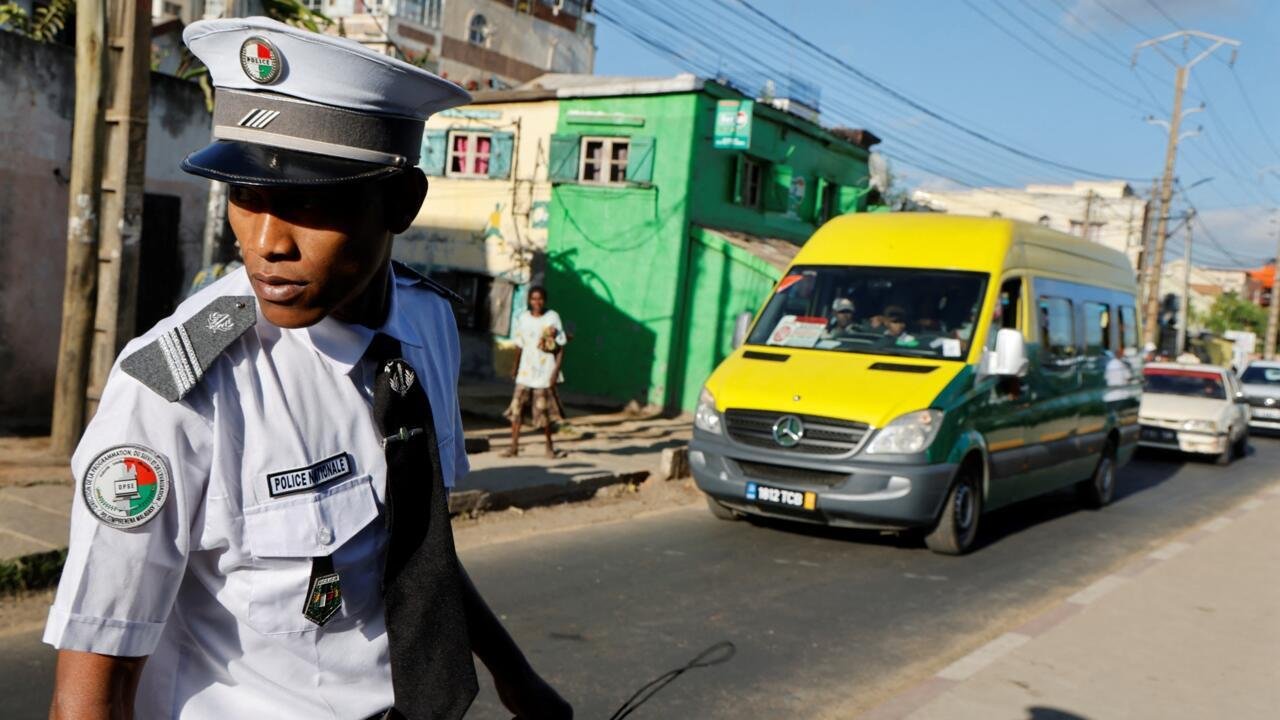
If you are building a business or managing operations in an emerging market, institutional stability is your baseline. Madagascar is currently testing whether a systemic overhaul of its national police can restore the public trust necessary for a functional economy. The government has initiated a month of intensive national consultations across 23 regions to address deep-seated grievances regarding law enforcement conduct.
Why is this reform happening now?
The relationship between the Malagasy public and the police has reached a breaking point. For years, local advocacy groups and citizens have reported systemic issues that hinder daily life and commercial activity. This initiative, launched in Antananarivo, is not just a PR move; it is a structural necessity to prevent further social fragmentation.
- Erosion of trust: High rates of reported misconduct have made citizens hesitant to engage with state institutions.
- Operational inefficiency: A force that lacks public cooperation cannot effectively manage security or investigate crimes.
- Regional pressure: Madagascar needs a stable internal environment to attract foreign investment and maintain its position in Indian Ocean trade.
How will the consultation process work?
The authorities are moving away from top-down mandates in favor of a decentralized feedback loop. By holding sessions in every region, the government aims to identify specific local failures rather than applying a one-size-fits-all solution. This approach suggests a realization that security is local, and what works in the capital may not apply to rural jurisdictions.
During these sessions, community leaders, legal experts, and everyday users of police services are invited to voice concerns. The goal is to produce a roadmap that changes how officers are recruited, trained, and held accountable. For developers and founders looking at the region, this signals a potential shift toward a more predictable legal and security environment.
What are the primary hurdles for this overhaul?
Talk is cheap, and institutional memory is long. The biggest challenge will be moving from consultation to implementation. Rebuilding a police nationale requires more than new guidelines; it requires a budget for better equipment and a transparent disciplinary process that actually fires bad actors.
- Cultural inertia: Changing the internal mindset of a long-standing bureaucracy is notoriously difficult.
- Resource allocation: Effective policing requires consistent funding for technology and fair wages to discourage corruption.
- Skepticism: Civil society groups remain cautious, waiting to see if their feedback results in legislative changes or if this is merely a temporary venting exercise.
What should observers watch for next?
Keep an eye on the legislative output following these consultations. If the government introduces a new statut spécial for police personnel that includes independent oversight, it is a sign they are serious. If the process ends with only a series of speeches and no policy changes, expect the status quo of instability to persist. Watch for the appointment of new leadership within the ministry as a signal of how deep these reforms will go.

AI Video Creator — Veo 3, Sora, Kling, Runway