




Late-Stage Capital Meets Late-Blooming Talent: The Economics of Rose Wylie at David Zwirner
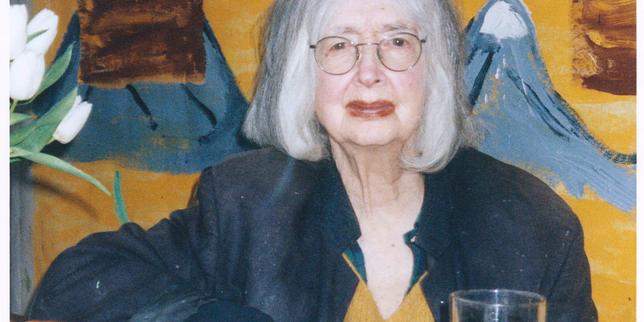
The Scarcity Premium of the Late Bloomer
David Zwirner’s decision to launch Rose Wylie’s first solo exhibition in France at age 91 is not a sentimental gesture. It is a calculated move in high-end inventory management. In the art market, the most valuable asset is often a finite supply of work from a creator who has finally achieved institutional consensus. Wylie represents a rare intersection: a deep back catalog and a contemporary aesthetic that appeals to the ultra-high-net-worth demographic.
By securing the French market now, Zwirner is effectively consolidating Wylie’s global trade volume. The gallery isn't just selling paintings; they are building a defensible moat around an artist whose work was overlooked for decades. This delay in recognition created a massive supply of historical work that can now be dripped into the market at premium price points.
The Brand Arbitrage of Naivety
Wylie’s style, often described as 'faux-naive,' is a strategic counter-weight to the hyper-polished digital art of the current cycle. In a business sense, this is brand positioning by contrast. By referencing Henri Rousseau’s 'Mauvaise Surprise' in her new Parisian showcase, Wylie is engaging in a sophisticated form of intellectual property reinterpretation. She is anchoring her modern brand to the historical legitimacy of a French master.
- Market Validation: Using the Zwirner platform in Paris signals to European collectors that Wylie is a safe store of value.
- Cultural Arbitrage: Taking a British artist and wrapping her in the context of the Douanier Rousseau increases her local relevance in the French art ecosystem.
- Longevity as a Moat: At 91, her career trajectory offers a narrative of persistence that is highly bankable for long-term investors.
The Distribution Power of the Mega-Gallery
The unit economics of a solo show in a city like Paris are intensive. Rent, logistics, and insurance for blue-chip assets require significant upfront capital. Only a few players—Zwirner, Gagosian, Hauser & Wirth—have the distribution network to ensure these costs translate into a sell-out show before the doors even open. This exhibition is a testament to the vertical integration of the art world, where the gallery controls the narrative, the price, and the secondary market access.
I don’t want to be a 'woman artist' or an 'old artist.' I just want to be an artist whose work stands on its own.
The strategic play here is to decouple Wylie’s age from the value of her work, transforming her from a 'late discovery' into a permanent fixture of the contemporary canon. This shift in perception is what moves an artist from the $50,000 price bracket to the $500,000+ tier. The goal is to ensure that the secondary market liquidity remains high long after the primary exhibition concludes.
My bet is on the continued appreciation of Wylie’s larger-scale canvases. As collectors flee from speculative digital assets, they are looking for 'analog' authenticity with institutional backing. Zwirner is providing the infrastructure, and the market is hungry for the supply. I would bet against any narrative that calls this a 'niche' show; this is a broad-market capture of the European collector base.
UGC Videos with AI Avatars — Realistic avatars for marketing