




Invisible Frontlines: Decoding the Surge in Global Cyber Threats from Iran
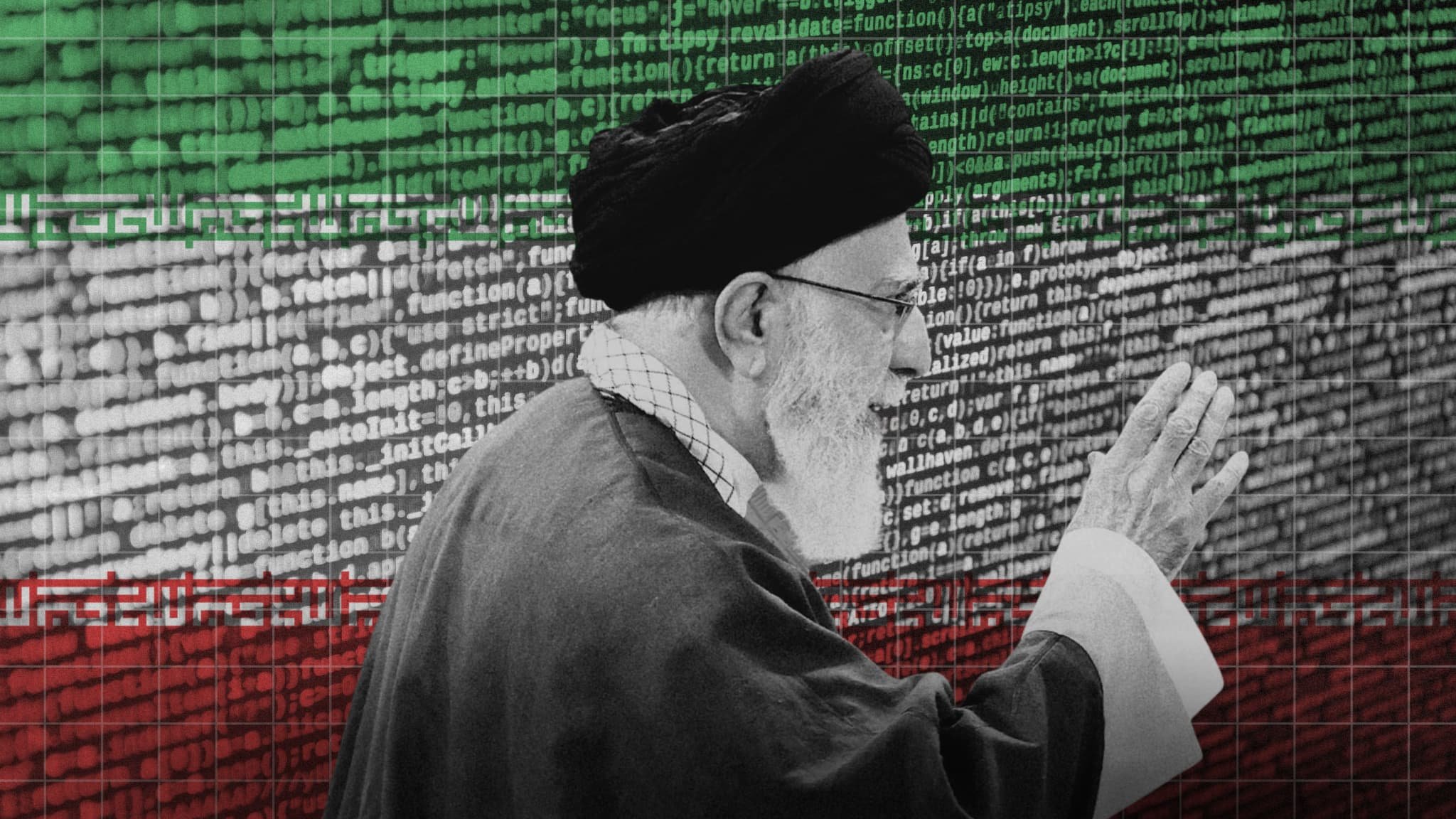
The Shift from Physical to Digital Conflict
When international tensions rise, the first signs of conflict no longer appear only on maps or news broadcasts. Instead, they often emerge within the server rooms of utility companies and the private databases of global corporations. Intelligence agencies across the West are currently observing a significant increase in digital reconnaissance and offensive activity linked to Iranian state actors.
This transition represents a fundamental change in how modern friction plays out. While traditional diplomacy happens in the light, cyber warfare operates in the shadows of the internet, where the goal is rarely immediate destruction. Instead, these operations focus on disruption, intelligence gathering, and creating psychological pressure on a global scale.
For a startup founder or a digital marketer, this might seem like a high-level geopolitical issue that stays far away from their daily tasks. However, the nature of modern connectivity means that a strike against a major service provider can create a domino effect that reaches every corner of the digital economy.
How State-Sponsored Cyber Operations Function
To understand the current threat, it is helpful to view these digital actors not as lone hackers, but as organized, well-funded departments. Their methods are methodical and follow a specific lifecycle designed to bypass even sophisticated security systems.
- Social Engineering: This involves creating highly convincing personas on professional networks to trick employees into revealing credentials or downloading malicious files.
- Vulnerability Research: Teams scan the internet for unpatched software in widely used enterprise tools, looking for an open window into a secure network.
- Persistence: Once they gain access, the goal is to remain undetected for months, quietly mapping the internal structure of the target organization.
- Destructive Payloads: In extreme cases, the final step involves deploying software that wipes hard drives or locks down critical systems, such as electricity grids or water treatment plants.
The Target Profile
The current warnings highlight a specific set of targets that go beyond just government agencies. Strategic infrastructure is the primary concern, but the definition of "strategic" has expanded. It now includes logistics companies that manage global supply chains, financial institutions that stabilize markets, and telecommunications firms that keep the world connected.
By targeting these sectors, state-sponsored groups can exert influence without firing a shot. If a major shipping port’s digital scheduling system goes offline for forty-eight hours, the economic impact is felt thousands of miles away. This is the asymmetric nature of digital conflict: a small team of programmers can cause billions of dollars in economic friction.
The Ripple Effect on Private Enterprise
A common misconception is that if you aren't a government contractor, you aren't a target. In reality, modern cyberattacks often use smaller companies as a bridge to reach larger ones. This is known as a supply chain attack. If a developer at a small startup uses a compromised library or a weak password, that vulnerability can be used to infiltrate the larger clients that the startup serves.
Security experts are noting that Iranian-aligned groups have become increasingly adept at these indirect methods. They often target the service providers that businesses trust implicitly, such as cloud storage companies or managed service providers. When the trust in these foundational layers is compromised, the entire digital ecosystem feels the strain.
This environment requires a shift in how we think about digital safety. It is no longer enough to have a strong perimeter; organizations must build systems that assume a breach will eventually happen. This approach, often called Zero Trust, ensures that even if an intruder gains entry to one room, they cannot move freely throughout the rest of the house.
Now you know that the current alerts from intelligence agencies aren't just about government secrets. They are a signal to every digital stakeholder to tighten their security protocols, as the boundaries between geopolitical conflict and private commerce continue to disappear.
AI Film Maker — Script, voice & music by AI