




Hardening Your Comms: Lessons from the Recent Campaign Against Signal and WhatsApp
Why should you care about encrypted messaging security right now?
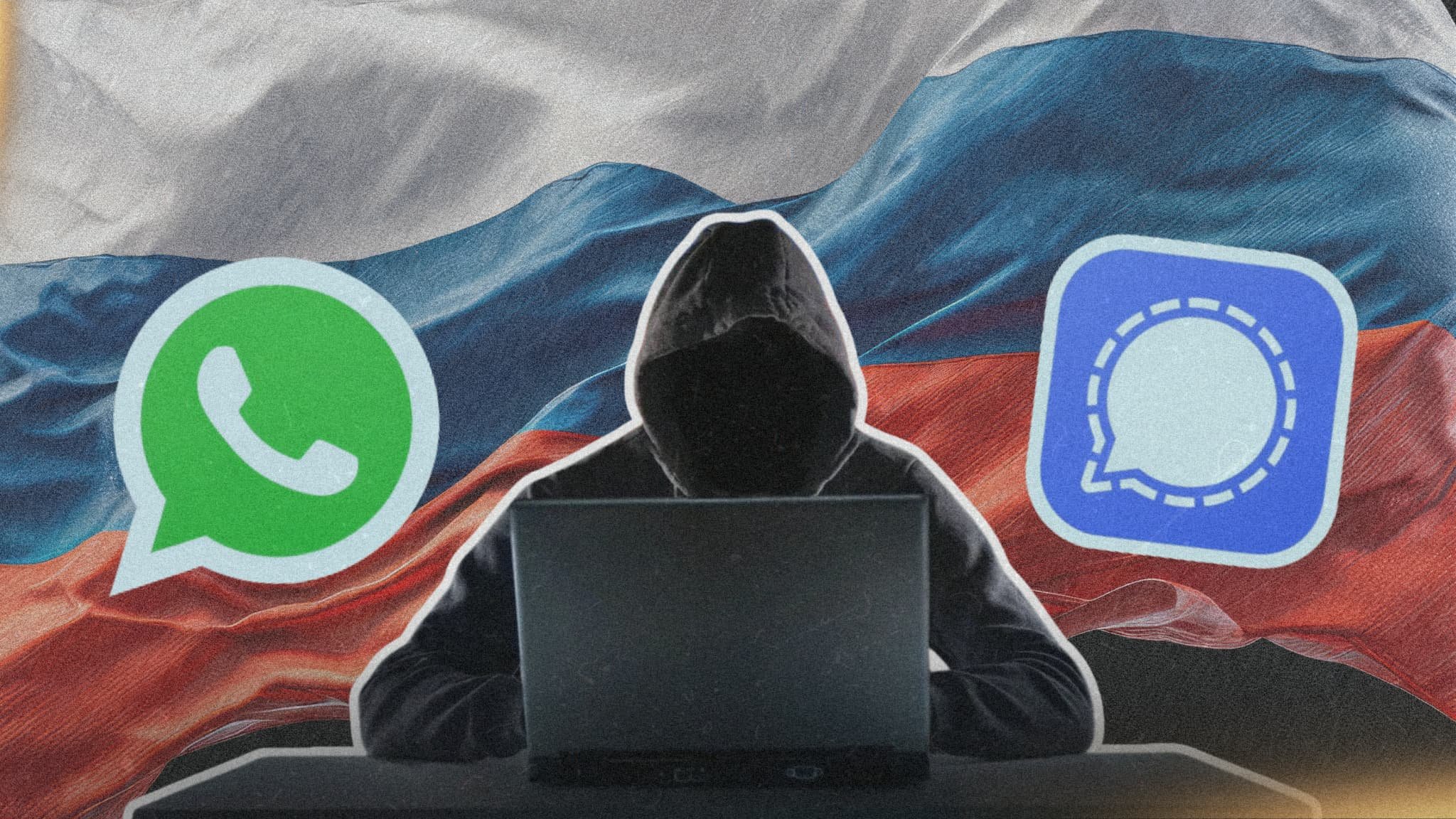
If you rely on Signal or WhatsApp for sensitive business logic or internal comms, your threat model just changed. Recent reports from the FBI and CISA indicate that state-sponsored actors are successfully compromising thousands of accounts. They aren't breaking the encryption; they are social engineering the users.
Security is only as strong as the weakest link in the authentication chain. For most teams, that link is the human responding to a push notification or clicking a link in a well-crafted phishing message. When high-level officials and intelligence officers are getting hit, it means the attackers have refined their methods to bypass standard Multi-Factor Authentication (MFA).
How are these accounts actually being compromised?
The attack isn't a sophisticated zero-day exploit against the apps themselves. Instead, it uses a highly targeted phishing strategy. Attackers send messages that look like official security alerts or urgent requests from trusted contacts. These messages lead to credential harvesting sites designed to capture session tokens or one-time passwords.
- Session Hijacking: Attackers use proxy tools to sit between the user and the real service, stealing
browser cookiesor session IDs in real-time. - SMS Interception: By exploiting vulnerabilities in the
SS7 protocolor using SIM swapping, attackers grab the verification codes sent to mobile devices. - Social Engineering: Using urgent language to trick users into manually sharing their registration codes or disabling security features like
Registration Lock.
Once an attacker gains access to one account, they use it to map out the victim's network. They look for group chats, shared documents, and contact lists to launch the next phase of the campaign. This lateral movement makes the breach go from a single compromised phone to a full-scale corporate or governmental data leak.
What practical steps should your team take today?
Relying on a default setup for Signal or WhatsApp is no longer sufficient for high-stakes environments. You need to move beyond basic SMS-based authentication. If your team handles sensitive data, these configuration changes are mandatory.
- Enable Registration Lock: In
Signal, this requires a PIN to re-register your phone number. It prevents an attacker from moving your account to their device even if they intercept your SMS code. - Use Hardware Security Keys: Whenever possible, move your primary accounts to
FIDO2hardware keys like a YubiKey. These are significantly harder to phish than mobile push notifications. - Verify Safety Numbers: Teach your team to manually verify
safety numbersorsecurity codesout-of-band (e.g., via a different platform or in person) if they see a notification that a contact's security code has changed. - Disappearing Messages: Set a strict retention policy. If the data isn't on the device, it cannot be stolen during a compromise.
Security is a process of friction. By adding these steps, you make it economically and technically expensive for an attacker to target your organization. Do not wait for a notification that your data has been leaked to start enforcing these policies.
Watch for unusual account activity or unexpected "device added" alerts in your settings. If a team member reports a strange login attempt, treat it as a confirmed breach until proven otherwise. Reset all session tokens and rotate your internal secrets immediately.
Social Media Planner — LinkedIn, X, Instagram, TikTok, YouTube