France has upgraded its digital defenses to counter state-sponsored disinformation campaigns ahead of its next electoral cycle. Government officials warn that foreign actors are deploying increasingly sophisticated cognitive warfare tactics to disrupt public debate. The state now claims the technical capability to identify and neutralize these operations before they gain traction.
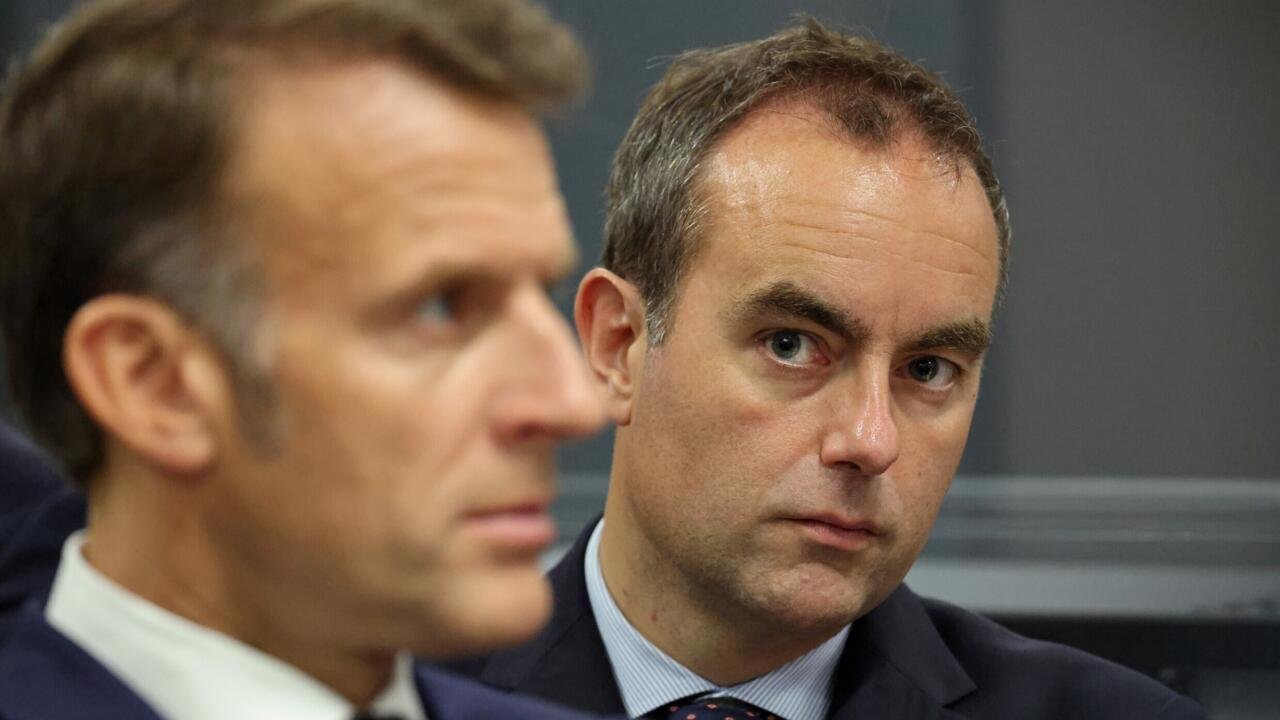
Recent briefings at Matignon, the Prime Minister's official residence, brought together political leaders to address these systemic vulnerabilities. Intelligence agencies presented evidence of coordinated campaigns targeting French institutions and public trust. This proactive posture marks a shift from passive monitoring to active containment.
Detecting Influence Operations
The primary defense against digital manipulation is Viginum, the national agency tasked with monitoring foreign digital interference. Established in 2021, the agency tracks unusual spikes in online activity that suggest automated amplification. Analysts monitor social media platforms for coordinated inauthentic behavior, looking for patterns that betray artificial coordination.
Foreign campaigns often rely on networks of automated accounts to inject divisive narratives into mainstream discussions. These networks exploit local political sensitivities to exacerbate existing social divisions. By analyzing metadata, hosting providers, and deployment timelines, French cyber defense units can trace these assets back to their origins.
Viginum operates under the authority of the General Secretariat for National Defense and Security (SGDSN). The agency does not monitor domestic political debate or individual French citizens. Instead, its mandate is strictly limited to detecting foreign digital interference targeting national interests. This distinction is critical for maintaining public trust and preserving free speech during sensitive political periods.
The technical tools employed by these analysts use linguistic analysis and metadata tracking to identify foreign footprints. For instance, translation errors, server locations, and registration details often expose foreign-managed networks. Once identified, these digital networks are flagged for monitoring or platform-level moderation.
Key tactical indicators monitored by state analysts include:
- Rapid dissemination of identical content across multiple platforms within seconds.
- The use of dormant accounts suddenly reactivated to post political propaganda.
- Coordination between foreign state media outlets and localized bot networks.
- The deployment of deepfake audio and video designed to discredit political figures.
The Strategy of Public Attribution
Exposing the mechanics of an attack is often more effective than attempting to censor the content. When France identifies a foreign influence operation, the government increasingly opts for rapid public attribution. Naming the state actor responsible strips the campaign of its domestic credibility.
This approach was used to counter the Kremlin-backed Doppelgänger campaign, which cloned prominent European media websites to spread false news. By publicly documenting the technical infrastructure used by Russian operators, authorities neutralized the campaign's impact. Media outlets and citizens were alerted to verify domain names before sharing articles.
Public attribution also deters adversaries by raising the political cost of their operations. When state sponsor identity is verified, diplomatic and economic countermeasures can be deployed. This feedback loop makes digital interference a high-risk endeavor for foreign intelligence services.
State-sponsored actors have evolved beyond simple botnets to employ generative artificial intelligence. AI models allow operators to produce high volumes of persuasive, localized text in minutes. This technology lowers the cost of entry for foreign intelligence services looking to influence domestic policy.
To combat this, French defense agencies collaborate with European partners and major technology platforms. Sharing threat intelligence in real-time allows for faster takedowns of coordinated networks. However, the decentralized nature of modern social media means that absolute containment is impossible, making public resilience the ultimate shield.
Securing Electoral Infrastructure
Securing the vote requires more than just monitoring social media feeds. Political parties, campaign staff, and voting infrastructure represent high-value targets for foreign cyber units. Spear-phishing campaigns aimed at stealing internal communications remain a persistent threat.
The government has distributed specialized security protocols to all major political parties to harden their digital footprints. These guidelines emphasize multi-factor authentication, encrypted communication channels, and regular vulnerability scans. Training sessions help campaign workers recognize sophisticated social engineering tactics.
Cybersecurity agencies also focus on the integrity of voting registries and election night reporting systems. While France utilizes paper ballots for main elections, the digital systems used to aggregate and transmit results are highly protected. Redundant networks and offline verification protocols ensure that the final tally remains tamper-proof.
The upcoming electoral cycle will test whether these defensive measures can successfully insulate French democracy from increasingly complex foreign cyber operations. With Glamzn Convert a PDF to Word Word, Excel, PowerPoint, image Try it
Share
Stay in the loop
New articles from the Glamzn blog, once a week