




Europe Faces Economic and Energy Strain as US-Iran Tensions Escalate
Energy Security and Supply Chain Disruptions
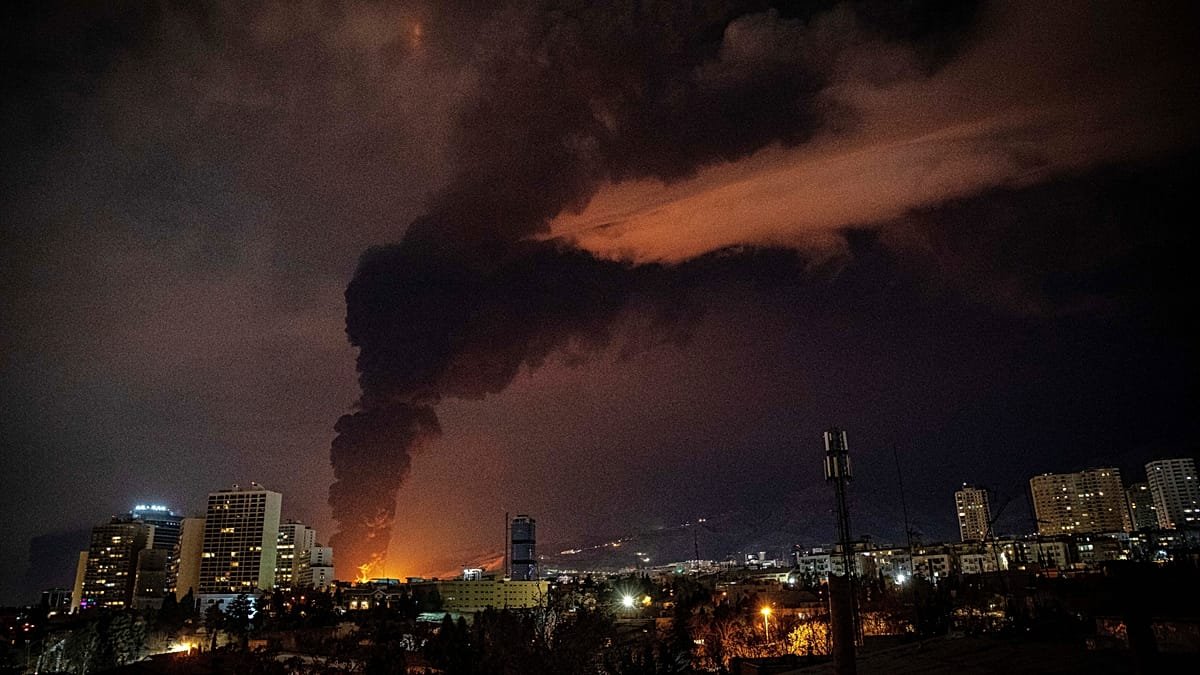
The intensifying conflict between the United States and Iran has moved beyond isolated skirmishes, creating a regional crisis that threatens European energy stability. As military actions expand, the security of global trade routes becomes increasingly fragile. European markets remain sensitive to price volatility in the Middle East, where any prolonged disruption to the Strait of Hormuz could trigger a significant spike in natural gas and oil costs.
Brussels is currently assessing the resilience of its energy infrastructure against these external shocks. While the EU has diversified its energy sources since 2022, a full-scale regional war would test the limits of these new supply chains. Logistics firms are already reporting increased insurance premiums for cargo transiting through high-risk zones, adding a layer of inflation to imported goods.
The Geopolitical Dilemma for Brussels
European leaders find themselves in a difficult diplomatic position as they attempt to balance security alliances with economic interests. The escalation forces member states to choose between supporting aggressive US maneuvers or maintaining a neutral stance to protect trade ties. This friction often results in fragmented foreign policy, making it difficult for the bloc to act as a unified mediator.
- Trade Vulnerability: EU exports to the region face immediate risks from port closures and retaliatory tariffs.
- Migration Pressures: Prolonged instability typically leads to increased displacement, potentially straining European border resources.
- Security Coordination: Member states must increase intelligence sharing to prevent domestic spillover from regional tensions.
The lack of a centralized military command complicates the EU's ability to protect its commercial interests in the Persian Gulf. Without a cohesive strategy, individual nations may pursue bilateral security arrangements that undermine the collective bargaining power of the Union.
Economic Impact on Industrial Growth
Manufacturing sectors in Germany and France are particularly exposed to fluctuating energy prices. High operational costs could slow down the post-pandemic recovery and hinder the transition to green technologies. Investors are showing signs of caution, shifting capital away from markets with high exposure to Middle Eastern instability.
Central banks are monitoring the situation to determine if rising energy costs will necessitate further interest rate adjustments to combat inflation. Persistent conflict could lead to a period of stagflation, where prices rise while economic growth remains flat. This environment creates a challenging backdrop for startups and established firms seeking expansion capital.
The focus now shifts to whether the EU can establish a strategic autonomy plan solid enough to withstand a total breakdown in regional diplomacy.
Faceless Video Creator — Viral shorts without showing your face