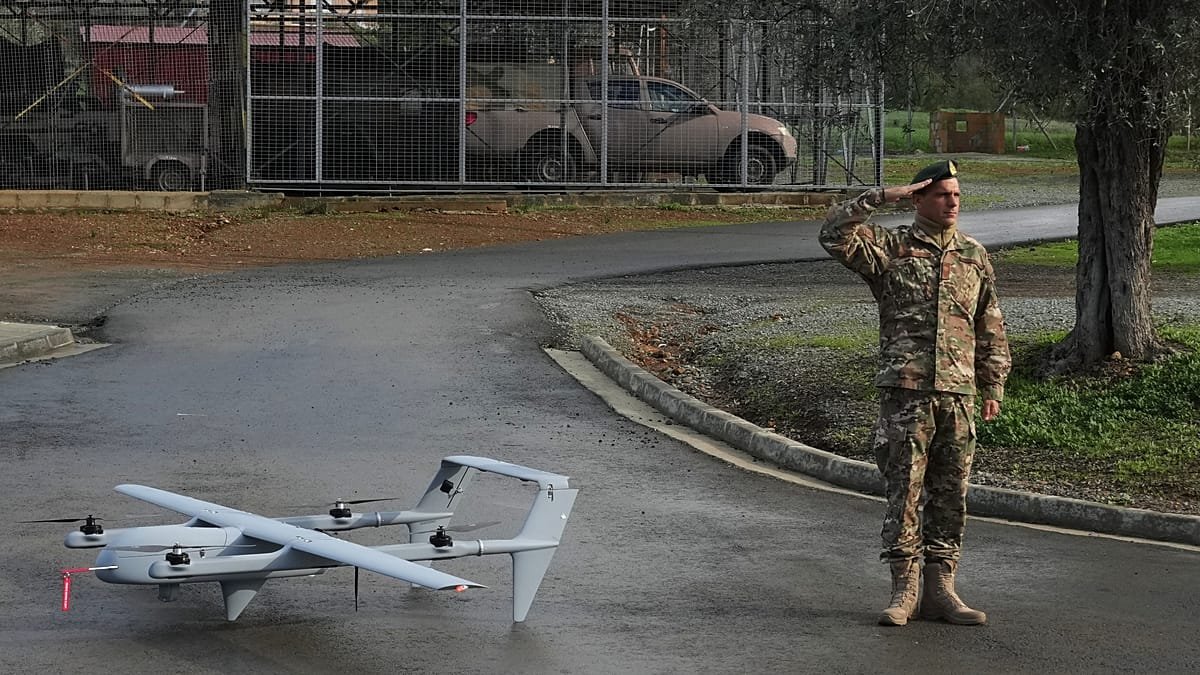
Strengthening European Airspace Security
The European Union is shifting its defense strategy toward rapid drone production and advanced detection systems. This move follows data showing that Russia has violated NATO airspace approximately 37 times since the start of 2022. These incursions have forced member states to prioritize high-speed manufacturing of unmanned aerial vehicles (UAVs).
Brussels aims to reduce reliance on external suppliers by building a domestic industrial base for defense technology. The focus is not only on offensive capabilities but also on neutralizing hybrid threats that target critical infrastructure. Officials are now integrating artificial intelligence and automated monitoring to decrease response times during unauthorized flights.
Tactical Shifts in EU Defense
The strategic shift involves a multi-layered approach to border security and electronic warfare. Member states are coordinating to standardize drone components, which simplifies maintenance and lowers costs across the union. This collaborative framework allows smaller nations to access technology previously reserved for larger military powers.
- Increased funding for the European Defence Fund to support UAV innovation.
- Deployment of portable signal-jamming units along eastern borders.
- Joint training exercises focused on identifying and intercepting low-altitude threats.
- Investment in sensor fusion technology to distinguish between civilian and military drones.
European aerospace firms are receiving incentives to pivot their assembly lines toward defense-grade hardware. These companies are developing autonomous swarming technology designed to overwhelm traditional radar systems. Such advancements represent a fundamental change in how the continent manages its peripheral security.
Addressing Hybrid Warfare Risks
Hybrid threats often use civilian-style drones to conduct surveillance or disrupt logistics without triggering a full-scale military reaction. To counter this, the EU is refining its legal frameworks to allow for faster kinetic and non-kinetic responses. New protocols enable border guards to disable suspicious aircraft using electromagnetic pulses or physical interception.
Integration of real-time data sharing between NATO and EU intelligence centers is currently underway. This transparency ensures that an intrusion in one sector triggers an immediate alert across the entire defense network. Developers are also exploring blockchain-based telemetry to secure communication links between operators and their fleets.
Watch for the announcement of new pan-European procurement contracts for anti-drone hardware later this quarter.