




Diplomacy by Press Release: Why France Summoning the Russian Ambassador is a Cyber Illusion
The Theatre of the Diplomatic Summon
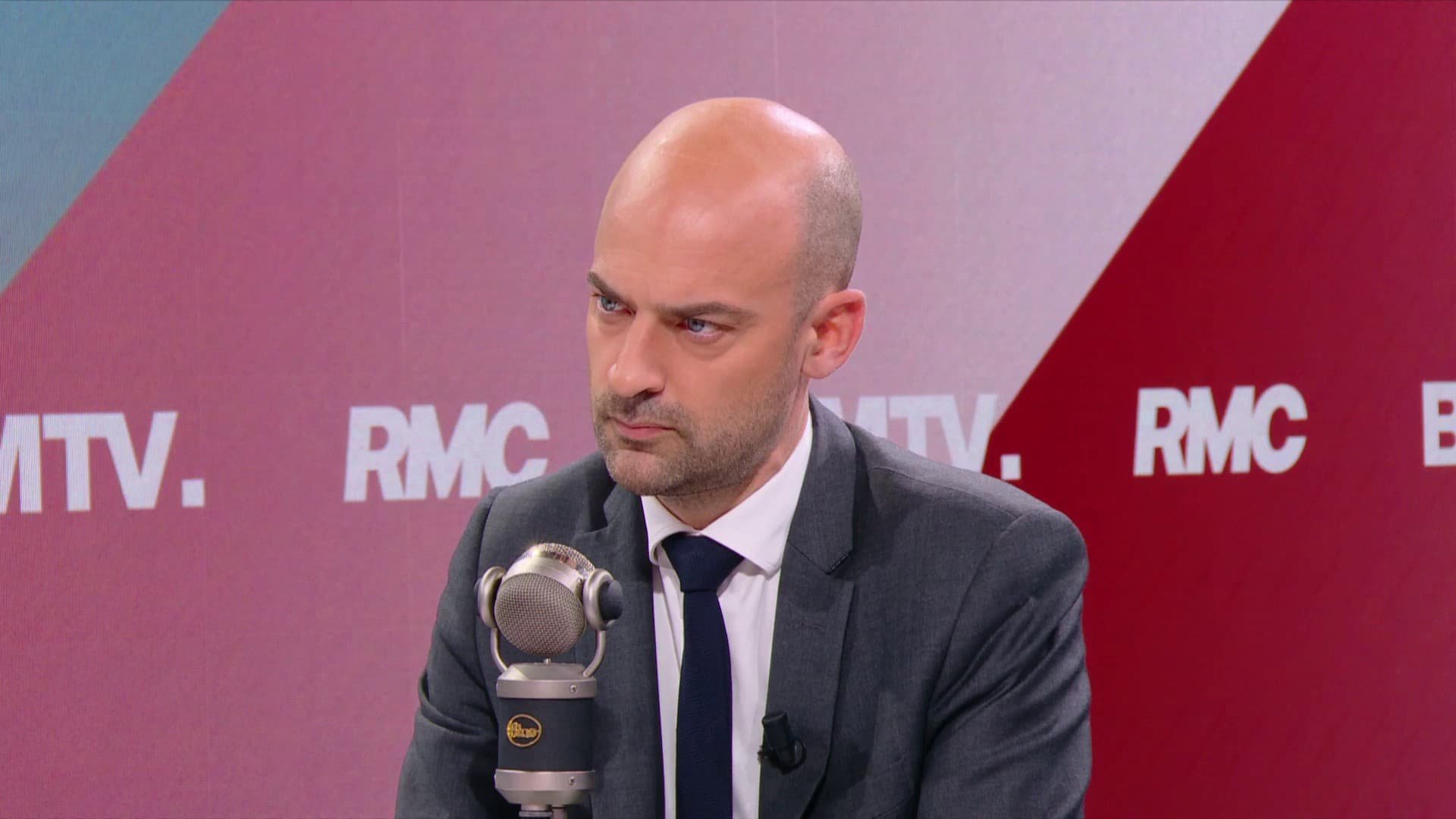
France has decided to express its displeasure the only way traditional governments know how: by calling someone into an office for a stern talking-to. Foreign Minister Jean-Noël Barrot announced he will summon the Russian ambassador following what French authorities describe as a massive, coordinated cyber campaign. It is a classic piece of political theater, designed to project strength to a domestic audience while doing absolutely nothing to solve the underlying crisis.
Summoning an ambassador is the diplomatic equivalent of writing a strongly worded letter to a competitor who just stole your intellectual property. It feels proactive, it generates headlines, but it fundamentally misunderstands the nature of modern conflict. Russia is not operating within the boundaries of polite Westphalian statecraft, yet France is still trying to use the rules of the Congress of Vienna to fight a war waged in silicon and code.
The Asymmetry of Modern Cyber Warfare
The core issue is that Western democracies remain obsessed with attribution and protocol, while adversaries focus entirely on disruption. When a state actor targets critical infrastructure, election systems, or public media, they are looking for weak points in the digital fabric. They do not care about diplomatic decorum.
We are seeing an unprecedented level of systemic aggression that goes far beyond simple espionage.
Barrot is correct about the scale of the threat, but entirely wrong about the remedy. By treating state-sponsored hacking as a diplomatic incident rather than an ongoing national security failure, European governments are exposing their own vulnerability. The harsh reality is that deterrence in the digital age cannot be achieved through diplomatic protocol. If the only consequence for orchestrating a massive cyber campaign is that your ambassador has to drink lukewarm coffee at the Quai d'Orsay, you have effectively won.
Building Defenses Instead of Staging Press Conferences
For startups, developers, and tech leaders, this spectacle should serve as a stark warning. The state cannot protect you. Government defense mechanisms are slow, bureaucratic, and hopelessly outdated, relying on physical borders that do not exist online.
We must accept that cyber resilience is a private responsibility. While politicians argue over diplomatic immunity and sovereign boundaries, technology organizations must build systems that assume compromise is inevitable. True security lies in zero-trust architecture, solid encryption, and rapid recovery protocols, not in the empty promise of international law.
France's latest move will result in a tense photo opportunity and a predictable denial from Moscow. Once the cameras leave, the digital attacks will continue, completely unaffected by the diplomatic dressing-down. It is time for European leadership to stop playing 19th-century games when the actual battle is being fought on a completely different playing field.
UGC Videos with AI Avatars — Realistic avatars for marketing