




Developer Ports Mac OS X to Nintendo Wii via Linux Emulation
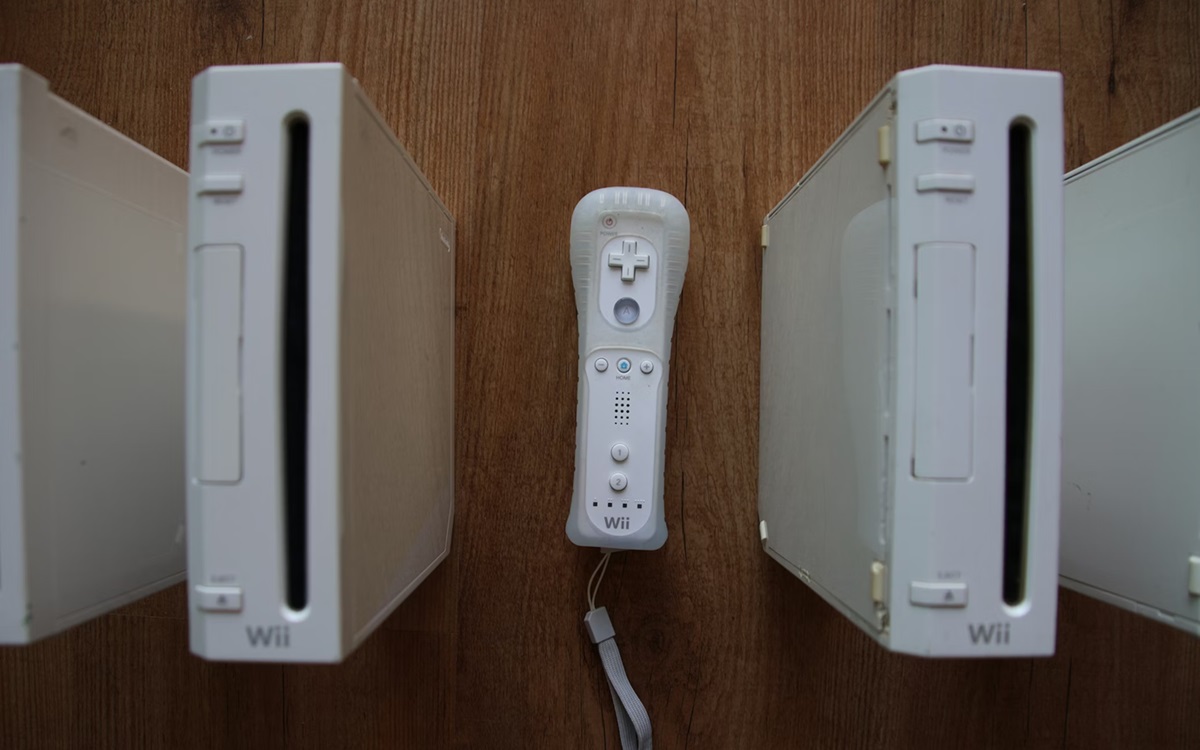
The Technical Achievement
Developer Bryan Keller recently demonstrated a functional installation of Mac OS X 10.4 Tiger running on a Nintendo Wii. While the console was never intended to support desktop software, Keller achieved the feat by utilizing a specialized version of Linux as a compatibility layer. The project highlights the flexibility of the PowerPC architecture shared by both the early 2000s Mac hardware and Nintendo's home console.
The installation process relies on the Wii-Linux-NGX kernel. This software allows the Wii to act as a host for Mac-on-Linux (MOL), an emulator that permits the operating system to run natively on PowerPC processors without full system virtualization. Because the Wii hardware lacks the memory capacity of a standard G4 Mac, the performance remains limited but technically stable.
Hardware Limitations and Performance
Executing a desktop OS on a console with 88MB of RAM presents significant bottlenecks. The system takes several minutes to boot and experiences noticeable latency when navigating the interface. To manage these constraints, Keller stripped the OS of non-essential services to reduce the memory footprint. Key hardware details of the project include:
- Architecture: Both the Wii's Broadway CPU and older Mac G4 chips use the PowerPC instruction set.
- Storage: The operating system files are hosted on an external SD card.
- Input: Control is managed through a USB keyboard and mouse rather than the standard Wii Remote.
- Memory: Virtual memory swapping is heavily utilized to compensate for the lack of physical RAM.
The project serves as a proof of concept for hardware interoperability rather than a practical computing solution. It proves that despite Nintendo's proprietary ecosystem, the underlying hardware remains accessible to persistent developers. This follows a long tradition of the homebrew community pushing aging hardware to perform tasks far beyond their original design specifications.
Legacy of PowerPC Engineering
The success of this port is largely due to the shared lineage between Apple and Nintendo hardware during the mid-2000s. Before Apple transitioned to Intel processors in 2006, their machines ran on the same RISC-based architecture that powered the GameCube and Wii. This commonality allows the code to execute without the massive performance overhead typically associated with cross-architecture emulation.
Software enthusiasts continue to target the Wii because of its massive install base and well-documented exploits. By bypassing the console's security layers, developers can access the raw hardware to run custom servers, media centers, and now, legacy desktop operating systems. Keller's work adds to a growing library of creative technical experiments that extend the lifespan of electronic waste.
Expect the homebrew community to further refine these memory management techniques for other legacy consoles.
UGC Videos with AI Avatars — Realistic avatars for marketing