




Chasing Shadows in the OFII Breach: The French Cyber Unit's Long Game
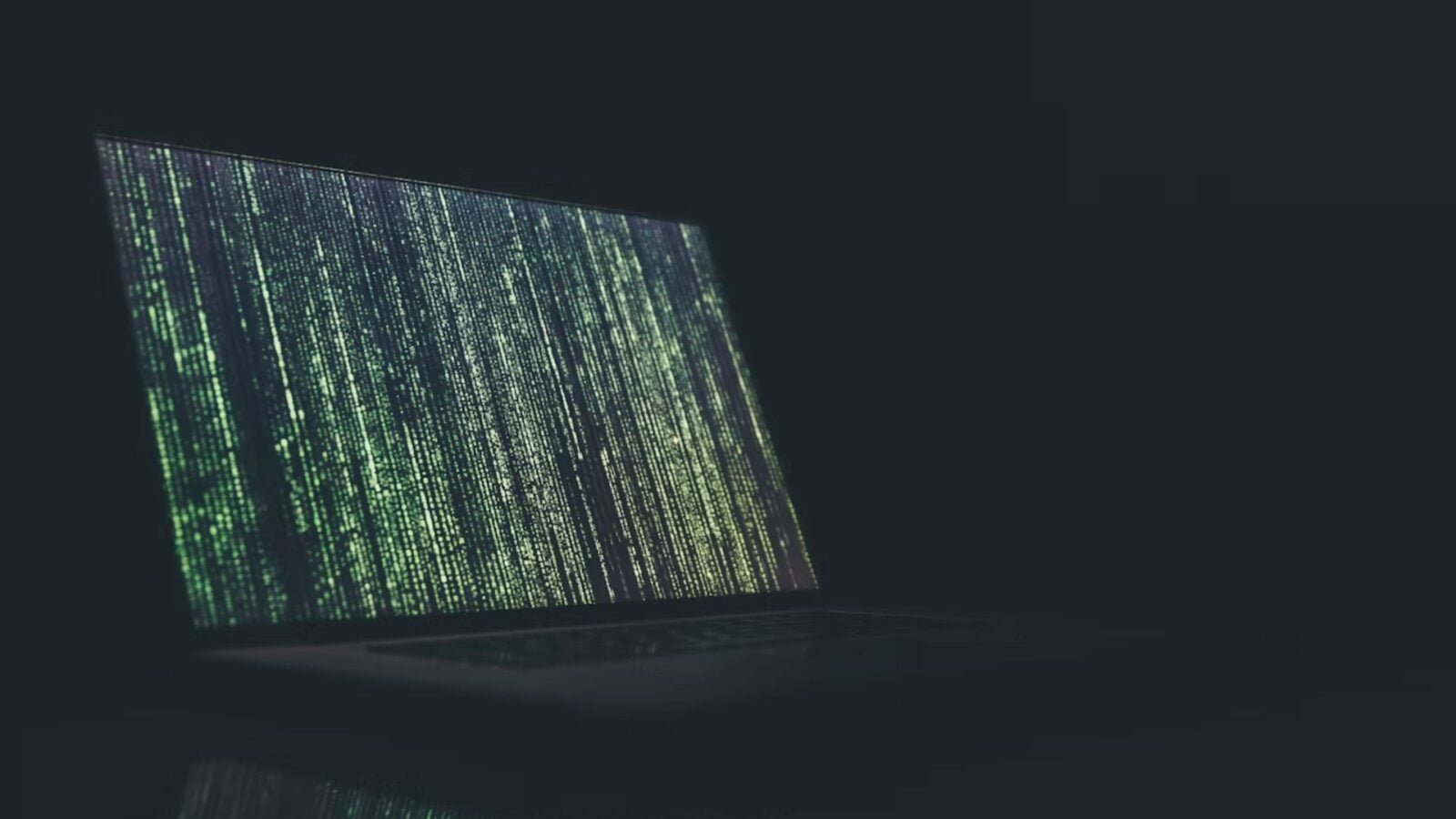
Late on a Tuesday evening in a quiet suburb outside Paris, a glowing screen was the only source of light in a bedroom where complex lines of code flickered like digital heartbeat monitors. While the rest of the neighborhood slept, two young men were allegedly pulling the digital threads of a government institution, watching as thousands of private records began to spill across their encrypted channels. They weren't seasoned state actors or corporate spies; they were just fast, curious, and, eventually, caught.
The breach at the Office Français de l'Immigration et de l'Intégration (OFII) wasn't just another ping on a server monitor. It was a deep, invasive grab of sensitive data belonging to individuals already navigating the complexities of a new life in France. For two months, the trail remained frustratingly quiet, a ghost in the machine that left investigators staring at logs that seemed to lead everywhere and nowhere at once.
The Digital Breadcrumbs of the Discontented
Cybersecurity isn't usually a cinematic chase through rain-slicked alleys. It is a grueling game of patience played out in hex code and server timestamps. The French specialized cyber-crime unit, C3N, began the painstaking process of deconstructing how the perimeter was breached, looking for the tiny, human mistakes that even the most talented hackers eventually make.
They found that the attackers hadn't just knocked on the front door. They had found a cellar window left slightly ajar, a vulnerability that allowed them to bypass standard defenses. Once inside, they moved with a quiet efficiency that suggested they knew exactly what they were looking for, or at least how to find the most valuable troves of information quickly.
The digital footprint of a human being is never as clean as the code they write to hide it.
The breakthrough didn't come from a sudden stroke of luck, but from the slow tightening of the net around the infrastructure used to host the stolen data. By tracking the flow of information back to its source, investigators started to see patterns in the connection times and the specific tools used during the intrusion. The hackers were young, which often means they are bold, but also prone to the kind of digital vanity that leaves a signature.
The Knock at the Door
When the police finally moved, it happened with the clinical precision that follows weeks of surveillance. The two suspects, both in their early twenties, were taken into custody in a coordinated strike. For the developers and founders who watch these stories closely, it serves as a sobering reminder that the wall between "testing boundaries" and serious criminal activity is thinner than a single line of script.
The legal fallout for the duo is expected to be severe. France has spent the last few years beefing up its digital legislation, treating attacks on state infrastructure with the same gravity as physical sabotage. The data they took contained more than just names; it held the precarious lives of people seeking a fresh start, making the ethical weight of the crime far heavier than a simple database leak.
Now, the OFII and other state agencies are left to patch the holes and rebuild public trust. It is a cycle we see repeatedly: a vulnerability is found, a breach occurs, and the subsequent scramble to update systems becomes a frantic race against the next anonymous group of kids with too much time and a high-speed connection. The question isn't whether the next attack is coming, but whether the people behind the keyboards realize that the digital world eventually has to answer to the physical one.
As the two young men wait for their day in court, one wonders if they still feel the same rush of adrenaline they felt when the first data packets started flowing into their drives. The screen has gone dark, and the quiet of the cell is a far cry from the hum of a cooling fan in a dark bedroom.

Free PDF Editor — Edit, merge, compress & sign