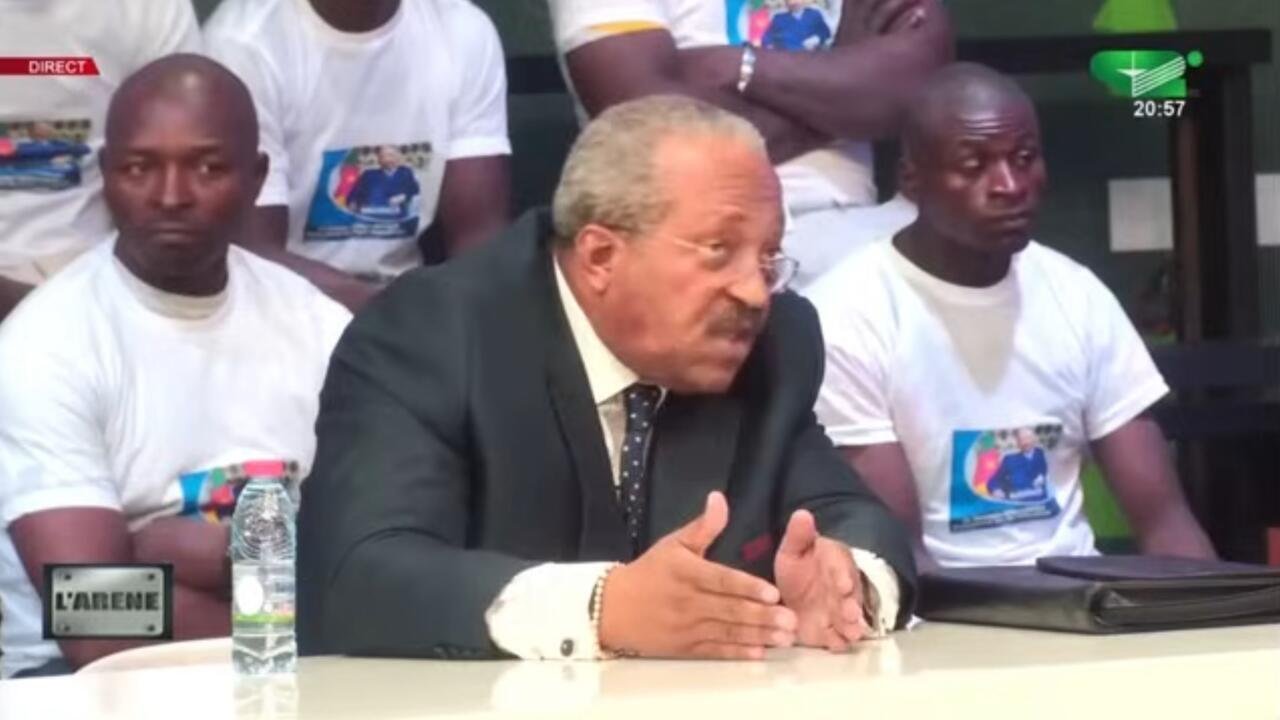
Cameroonian authorities arrested Georges-Gilbert Baongla in Yaoundé following a months-long search by law enforcement agencies. Baongla, the leader of the Republican Party, faces serious charges including cybercrime, defamation, and usurpation of title. He is widely known for his persistent claims of being the eldest son of President Paul Biya.
The arrest signals a tightening grip on digital speech and political dissent within the Central African nation. Investigators targeted Baongla after several high-ranking government officials filed complaints regarding his online publications. His detention highlights the growing legal risks associated with digital publishing and public advocacy in the region.
The Legal Charges and Political Profile
Baongla, 62, has operated on the periphery of Cameroon's political elite for decades. He founded the Republican Party and managed Le Démenti, a local print and digital publication. Despite his claims of presidential lineage, the state has never validated his familial connection to Paul Biya.
The current legal action stems from specific complaints lodged by prominent figures, including members of the cabinet. Prosecutors accuse Baongla of using digital channels to spread damaging allegations against state actors. The charges of usurpation relate directly to his public assertions of presidential parentage.
The judicial police arrested Baongla near a supermarket in the capital city after tracking his movements for weeks. He was immediately transported to the judicial police headquarters for questioning. Legal experts expect the government to prosecute the case under strict national security and communication laws.
Cameroon's Cybercrime Framework
The prosecution of Baongla relies heavily on Cameroon’s 2010 Law on Cybersecurity and Cybercrime. This legislation governs electronic communications, online commerce, and digital speech across the country. It grants state prosecutors broad powers to penalize individuals accused of spreading false information online.
Digital publishers and media startups in Cameroon must navigate a complex regulatory environment. The government frequently monitors digital platforms to curb misinformation and protect public order. Key provisions of the cybercrime framework include:
- Strict penalties for online criminal defamation targeting public officials.
- Fines and imprisonment for distributing unverified state documents via messaging apps.
- Mandatory registration requirements for digital media enterprises operating locally.
- State authority to intercept electronic communications during national security investigations.
Violations of these digital statutes carry severe penalties, including prison sentences ranging from five to ten years. For startup founders and digital marketers in the region, the case underscores the necessity of strict compliance. Navigating regional speech laws requires rigorous legal counsel and careful editorial oversight.
Impact on the Media and Political Environment
The arrest of a high-profile figure like Baongla sends a clear message to the broader media ecosystem. It demonstrates that political connections, whether real or claimed, do not provide immunity from digital prosecution. Local journalists and digital creators face increasing pressure to self-censor when reporting on state administration.
International press freedom groups have regularly criticized Cameroon's application of cyber laws. They argue that the government uses cybercrime legislation to suppress legitimate political debate. However, state officials maintain that these laws are essential for maintaining social stability and preventing digital blackmail.
The political timing of the arrest is also significant. Cameroon is preparing for future electoral cycles, and the administration is keen to minimize political disruption. Controlling the digital narrative is a key priority for the ruling party as it manages succession discussions.
Foreign investors and digital service providers must monitor these regulatory developments closely. Increased state surveillance and legal actions can disrupt digital platforms and payment systems. Understanding the local political risk profile is crucial for businesses operating in Central Africa.
The prosecution will likely proceed quickly through the military or specialized tribunals in Yaoundé. Baongla's legal team has already challenged the validity of the arrest warrant, citing procedural errors. The court's handling of the case will set a precedent for future digital speech prosecutions.
Watch how the Cameroonian judiciary handles Baongla's cybercrime charges to gauge the future tolerance level for online political speech.