




Breaching the Bureau: How Iranian Hackers Accessed Kash Patel’s Personal Communications
The Vulnerability of Personal Infrastructure in High-Stakes Intelligence
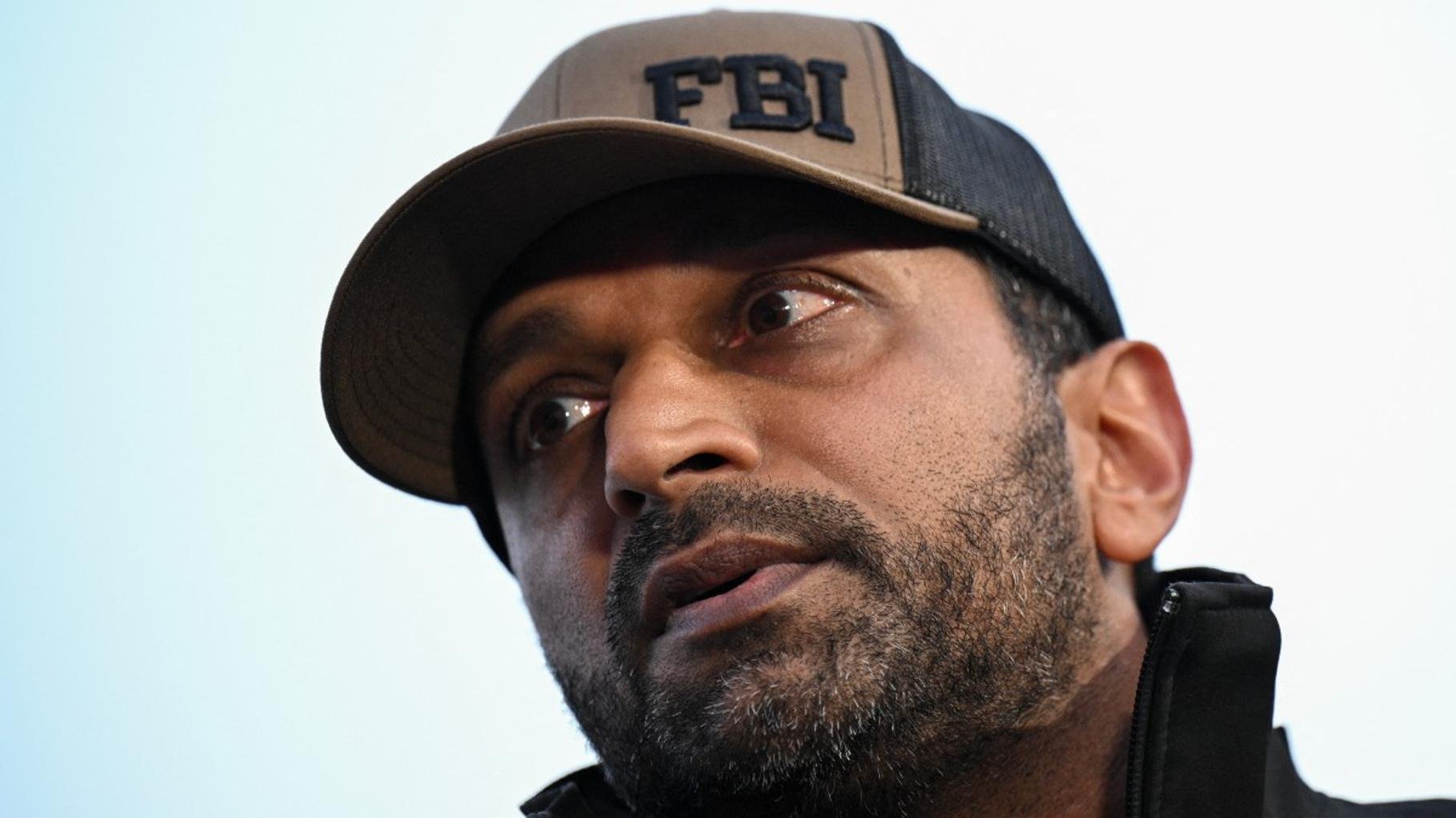
While the federal government spends over $12 billion annually on cybersecurity for official networks, the personal digital footprint of its leaders remains a glaring liability. The recent breach of Kash Patel’s personal email account by the Iranian-linked hacking collective Handala highlights a persistent failure to secure the private channels of high-ranking officials. Data indicates that state-sponsored actors are increasingly pivoting away from hardened government servers to target the less-protected personal devices of key decision-makers.
Handala claimed responsibility for the intrusion, releasing screenshots and metadata as evidence of their access. This group has maintained a high operational tempo since the escalation of regional tensions, focusing their efforts on psychological operations and data exfiltration. By targeting a figure nominated to lead the FBI, the attackers aimed to demonstrate a level of reach that undermines public confidence in the agency's internal security posture.
Tactical Analysis of the Handala Breach
The methodology employed by Handala often involves sophisticated phishing campaigns or the exploitation of previously leaked credentials. In this instance, the group successfully bypassed traditional security layers to access private correspondence. This operation follows a sequence of targeted strikes against Western infrastructure, suggesting a coordinated effort to collect intelligence on personnel transitions within the U.S. executive branch.
- Credential Harvesting: Attackers likely utilized data from historical breaches to identify potential entry points into personal accounts.
- Persistence and Monitoring: Once access was gained, the group monitored communications to identify sensitive information that could be used for coercion or intelligence.
- Public Disclosure: The tactical leak of the breach details serves as a signal of capability, intended to disrupt the domestic political process.
Security experts note that the transition period for a new administration is a window of peak vulnerability. During this phase, officials often operate outside the full protection of agency-managed hardware while they await formal clearance and installation. The Handala group exploited this gap, proving that even those with extensive backgrounds in intelligence are not immune to fundamental security lapses.
The Strategic Impact of Non-Official Covert Access
This incident is not an isolated technical failure but a strategic maneuver in a broader geopolitical conflict. According to threat intelligence reports, Iranian-backed groups have increased their targeting of U.S. political figures by 35% over the last fiscal year. The goal is rarely just data theft; it is the creation of a perception of omnipotence and the ability to influence policy through the threat of exposure.
"The targeting of high-profile individuals’ personal accounts is a cost-effective way for adversarial states to bypass the multi-billion dollar defenses of the U.S. government,"
The breach forces a re-evaluation of how the U.S. protects its leadership. Current protocols often rely on voluntary compliance for personal device security, a policy that has repeatedly failed. Data suggests that 70% of successful breaches against high-level targets involve personal rather than professional infrastructure. This disparity creates an asymmetric advantage for groups like Handala, who can achieve significant disruption with relatively low-cost tools.
The immediate consequence of this breach will be a mandatory tightening of encryption and multi-factor authentication requirements for all nominees and transition team members. By the second quarter of 2025, expect a 20% increase in federal spending directed specifically toward securing the personal digital environments of the executive branch's top 500 officials.

AI Image Generator — GPT Image, Grok, Flux